
Visit Paestum - Southern Italy
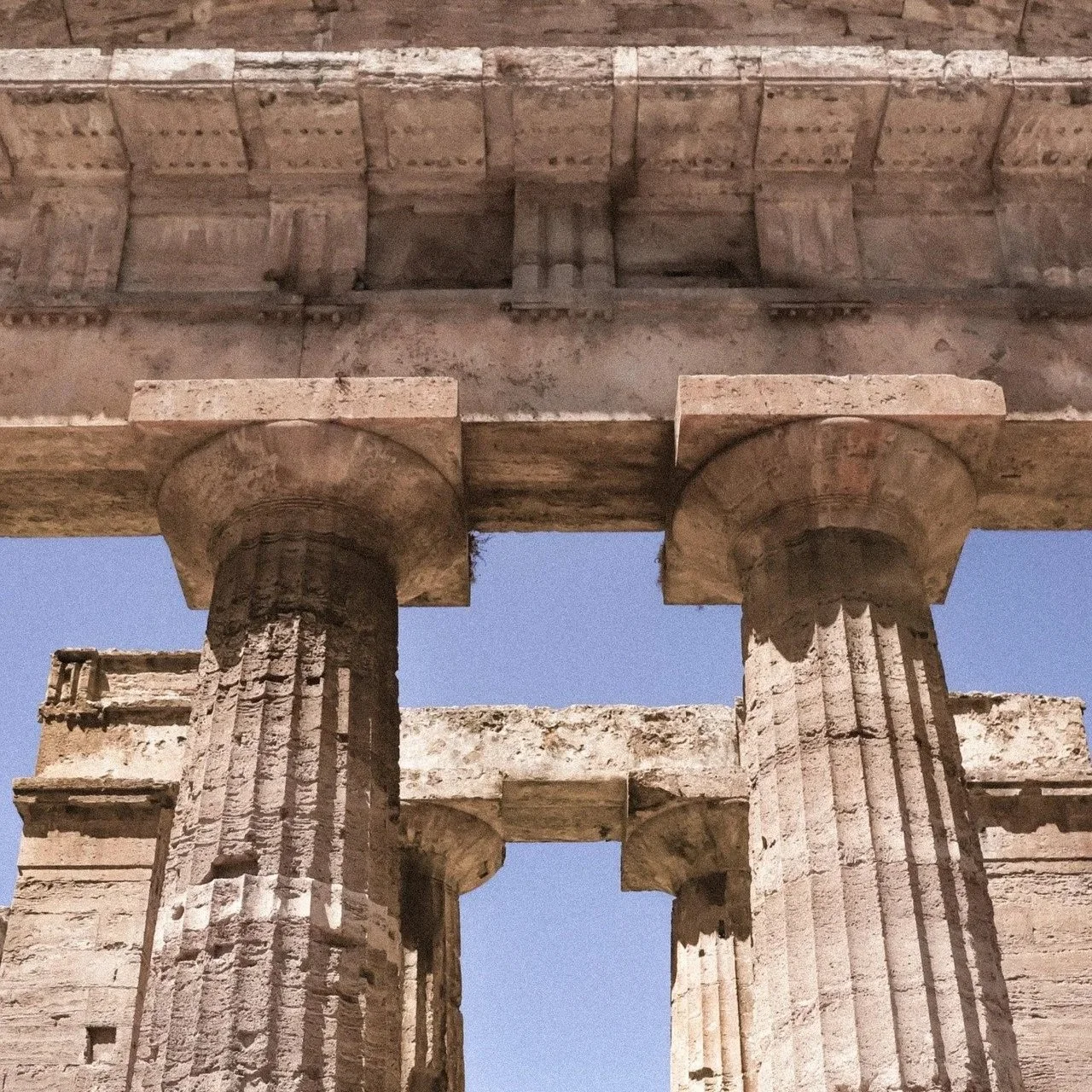
“ It’s as if a god had built his house here with enormous stone blocks.”
Friedrich Nietzsche
Suggested stay - 1 day
Paestum is world-renowned for its Archaeological Park, designated a UNESCO World Heritage Site.
The ancient city of Magna Graecia (originally called Poseidonia) is famous for three main attractions: the three Doric temples, which are among the best-preserved classical temples in the world, alongside those in Athens (Greece) and Agrigento (Sicily). These are the Temple of Neptune, the Temple of Hera (the Basilica), and the Temple of Athena.
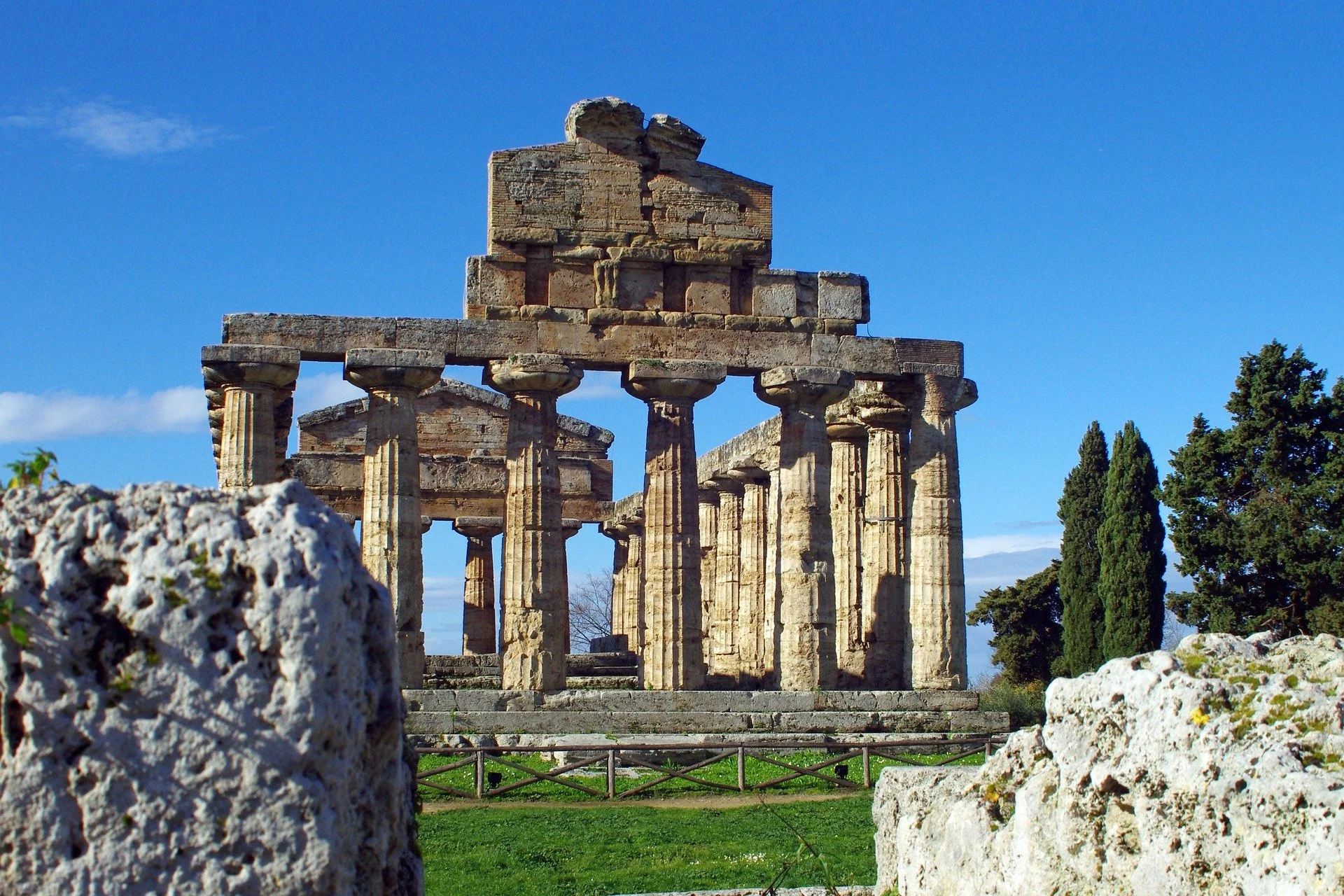
Tempio di Athena (Goddess of Wisdom in ancient Greek mythology)
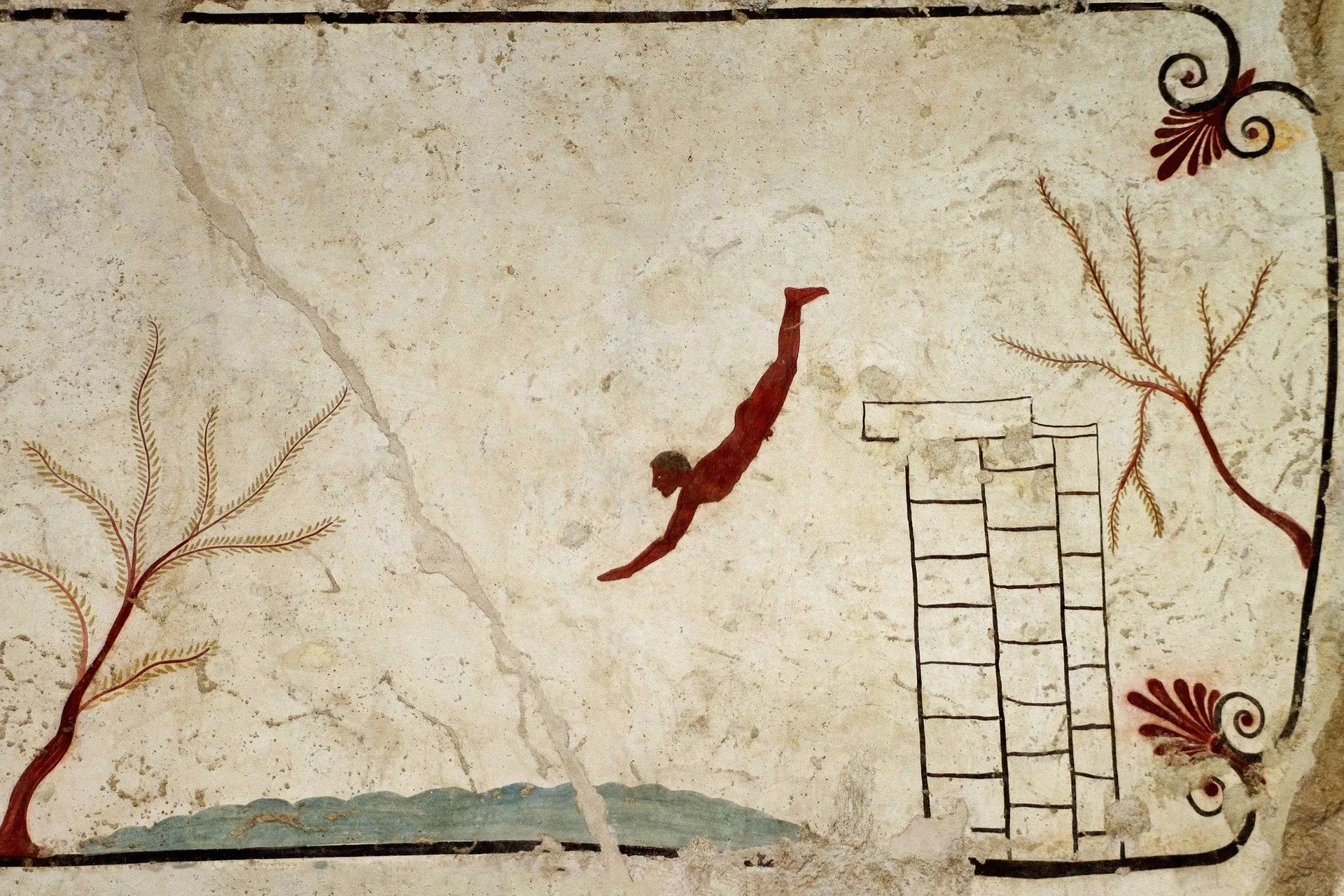
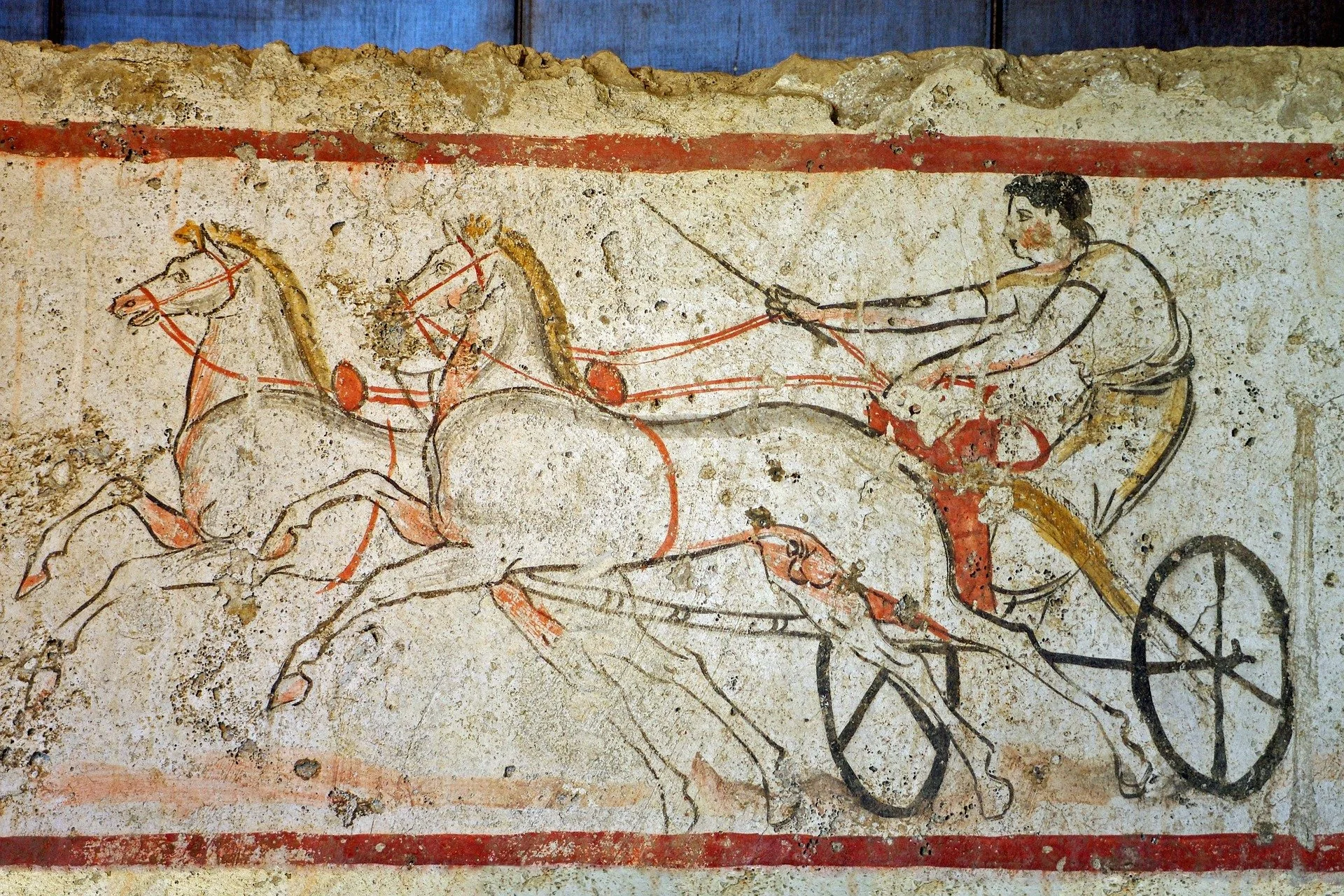
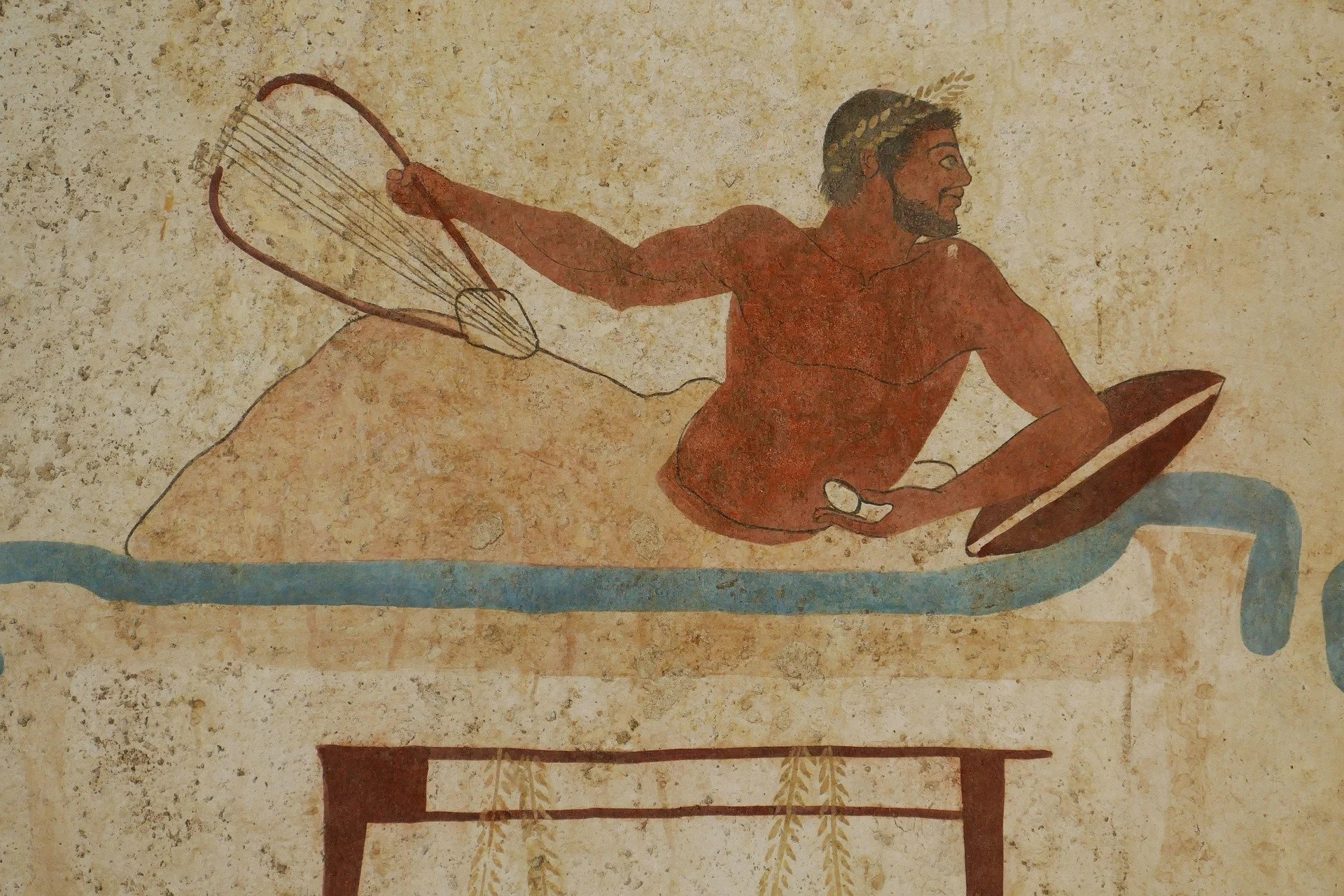
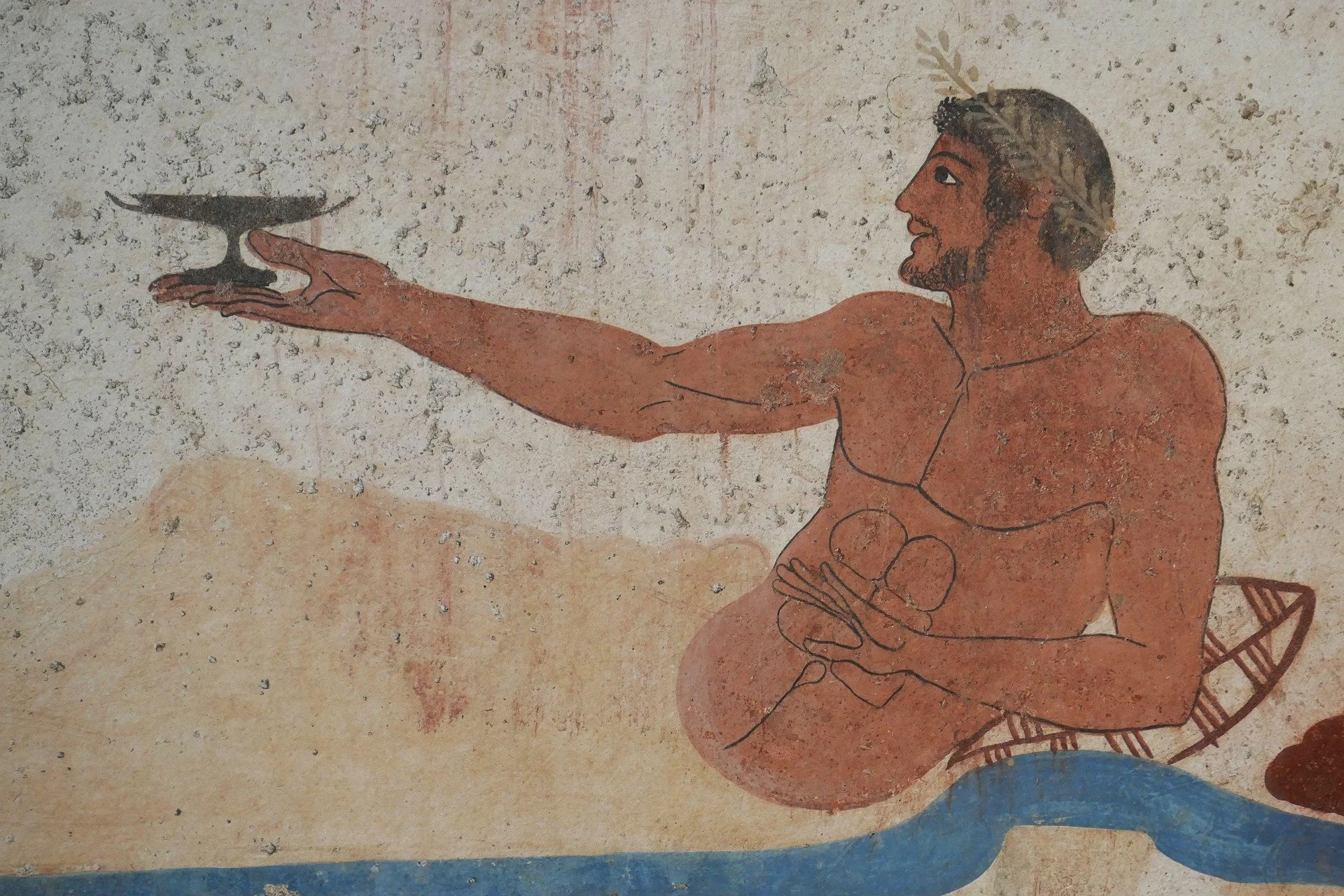
The Tomb of the Diver, housed in the National Archaeological Museum, is an absolute masterpiece and represents the only surviving example of Greek painting from the Classical period.
The history of the Paestum Archaeological Park spans over two thousand years of conquests, cultural transformations, and rebirths, which can be briefly summarized in four main phases.
1. The Greek Founding (Poseidonia) c. 600 B.C. Greek colonists from Sybaris founded the city under the name Poseidonia, in honor of Poseidon, god of the sea. During the Golden Age (550–450 BC), the city flourished thanks to trade. The three majestic Doric temples we admire today were built during this century.
2. The Lucanian period and the Roman conquest (Paestum). At the end of the 5th century B.C., the Lucanians, an Italic people, conquered the city, partially altering its culture but preserving its splendor. 273 B.C.: Rome founded a colony there, and the city took on its definitive name, Paestum. The Romans enriched the site with a forum, an amphitheater, and new thermal baths
3. Abandonment and oblivion in the Late Roman Empire and the Middle Ages. The area began to become marshy due to the nearby Sele River, which contributed to the spread of malaria; consequently, during the Early Middle Ages, the remaining inhabitants abandoned the town center to take refuge in the nearby hills (founding what is now Capaccio). Thankfully, the dense vegetation and marshes concealed the temples, protecting them for centuries from looting and destruction.
4. Rediscovery and UNESCO. In the 18th century, during the construction of a Bourbon road, (the SS18), the temples were rediscovered. Paestum immediately became a key stop on the Grand Tour for intellectuals such as Goethe.
Finally, in 1998, the archaeological site was designated a UNESCO World Heritage Site, establishing it as one of Europe’s most important historical sites.
A note:
This is a must-see for lovers of ancient history when booking a stay on the Amalfi Coast; whether you’re a hiking enthusiast or simply looking for a day outdoors in a park that takes you back to ancient times, it’s a destination you won’t want to miss.
Of course, this is not to take anything away from Pompeii—which, however, dates back to Roman times and is located on the Sorrento coast—but rather to round out the historical tour.
Should you want you may join our tours, click here to send a message (send message)