
Visit Sicily - South Region - Island
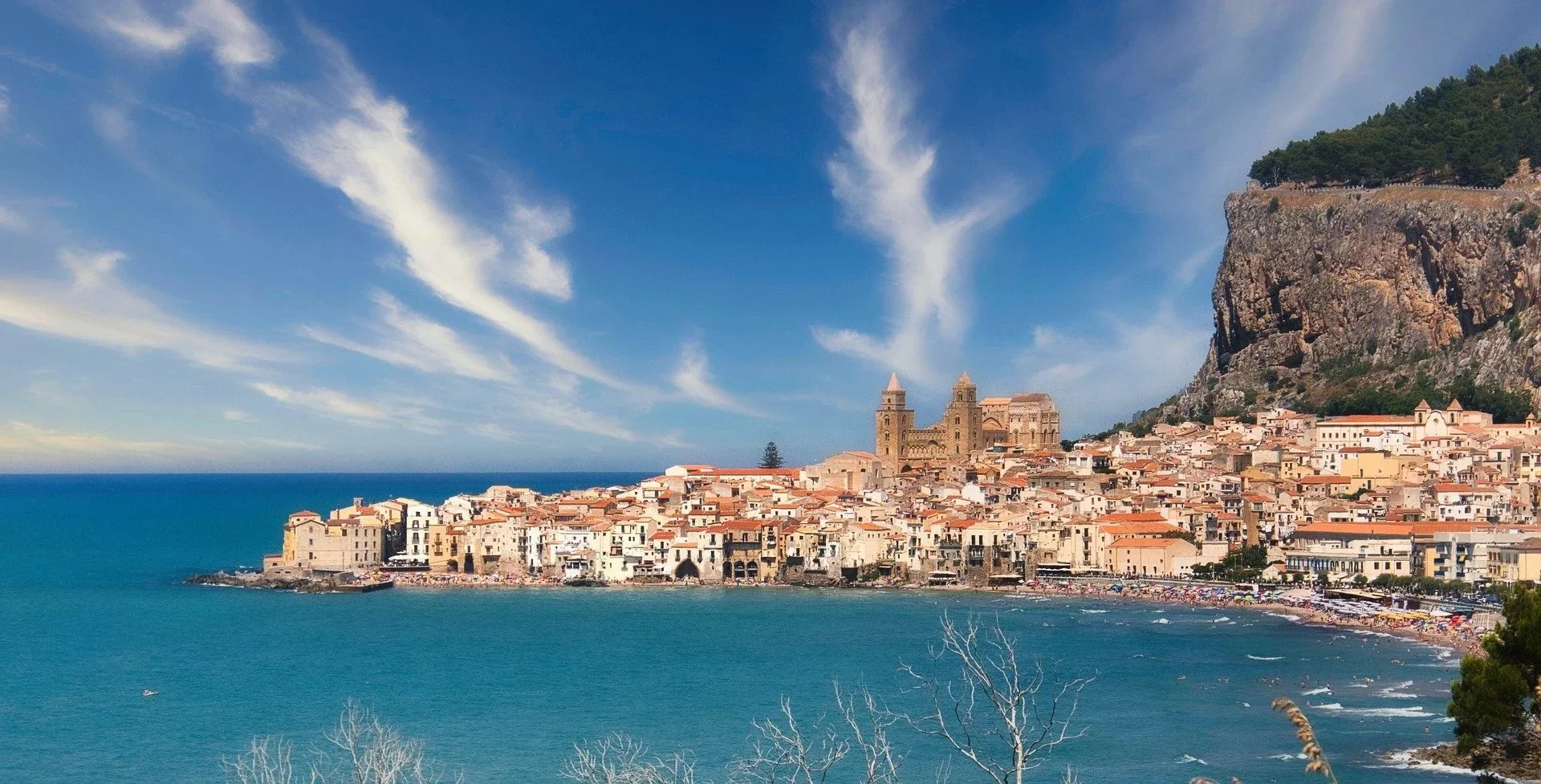
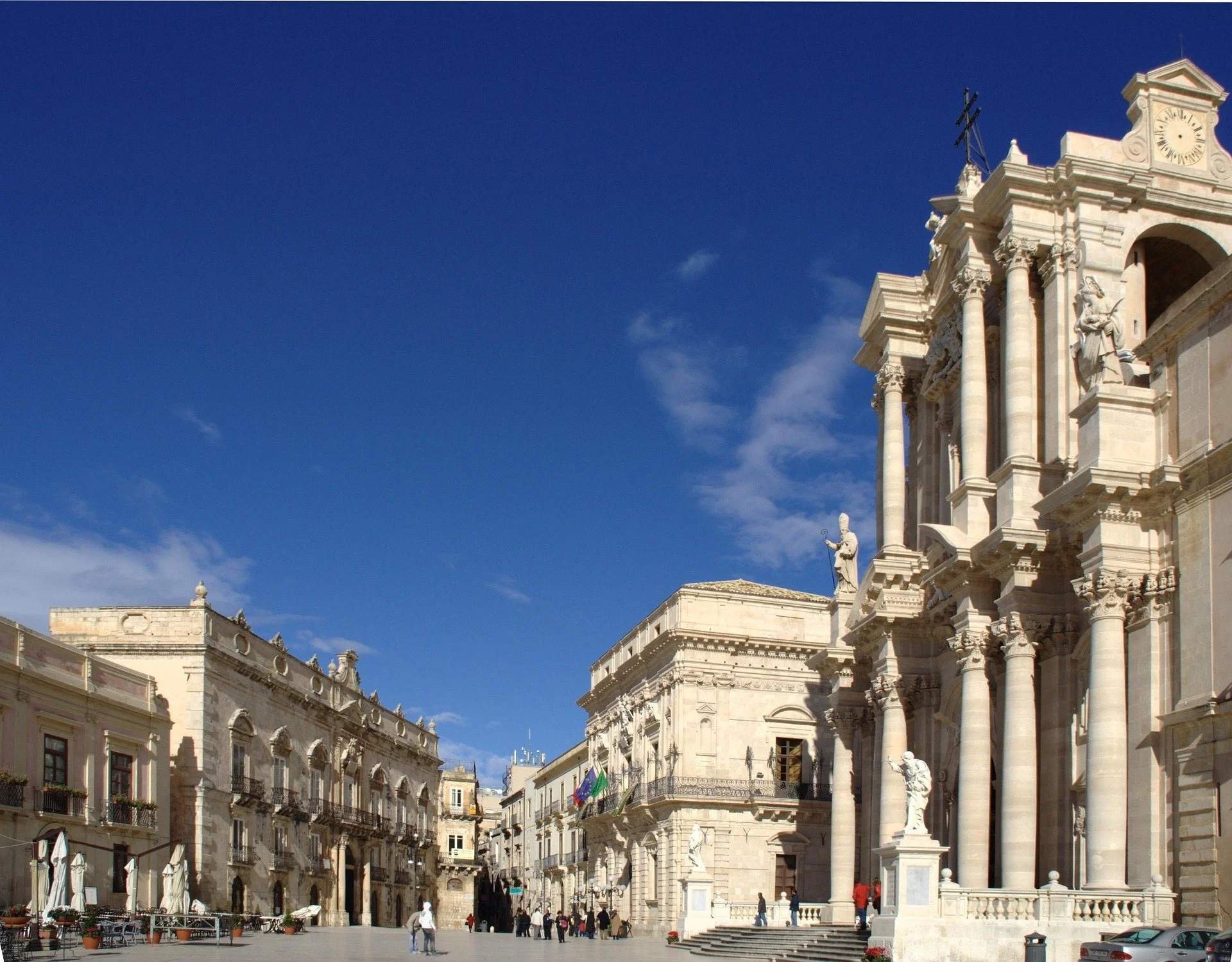
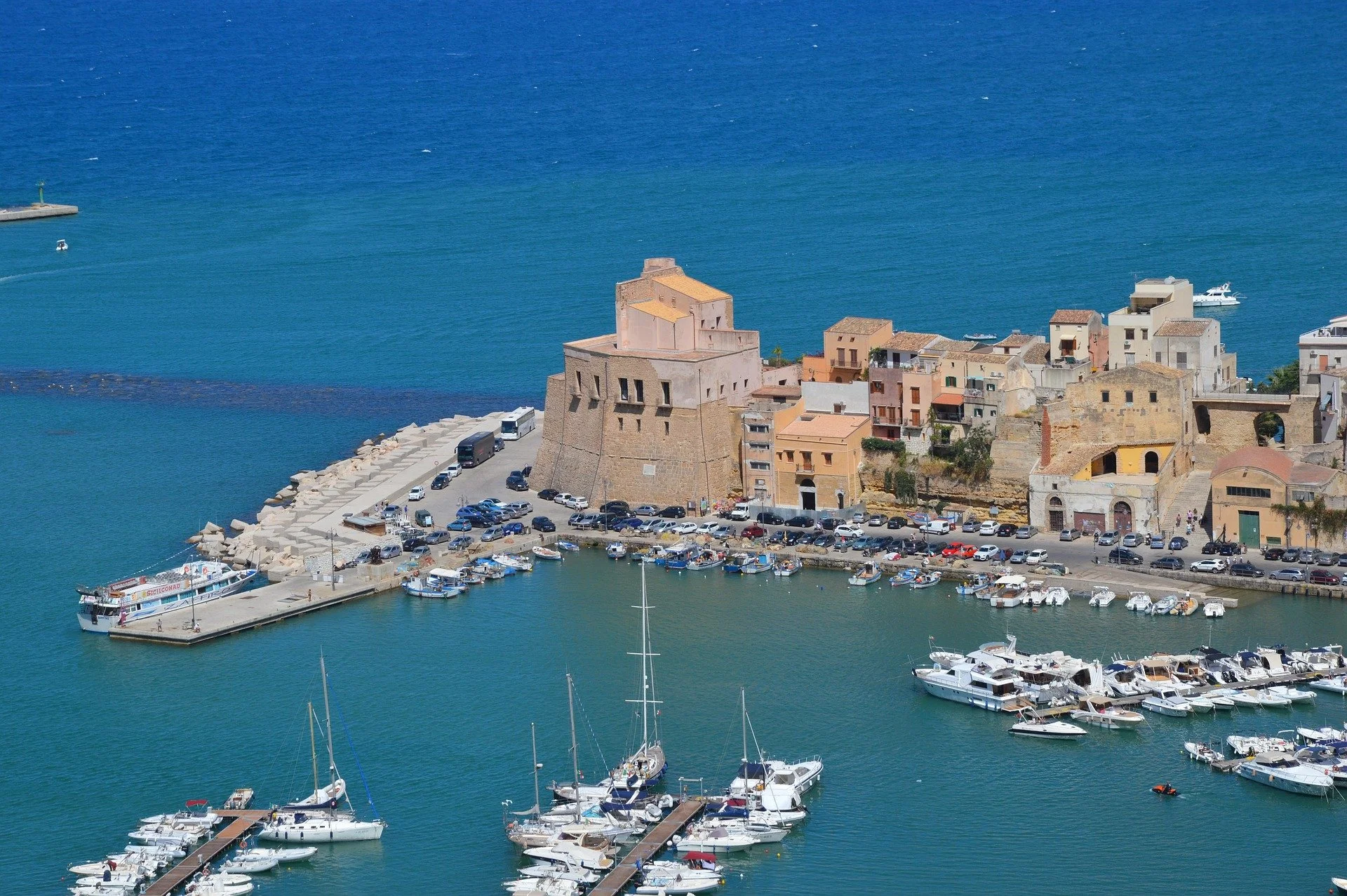
Sicily, the largest island in the Mediterranean Sea, it is also the largest region in Italy.
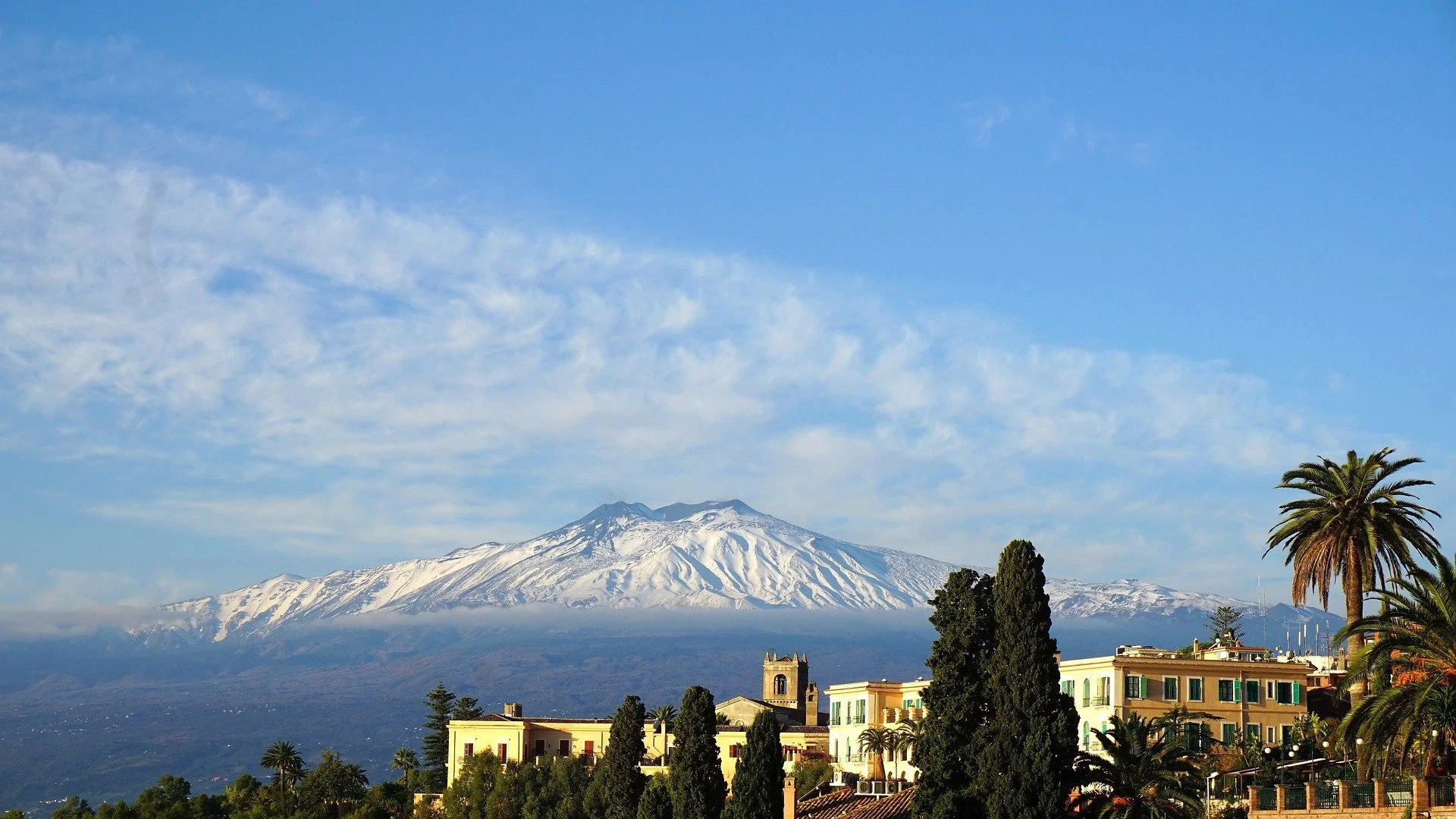
Its territory includes the volcano Mount Etna, varied coastlines, and a predominantly Mediterranean climate with hot summers and mild winters. The region is rich in history, culture and nature, boasting a heritage of UNESCO sites and smaller islands, not to mention its renowned gastronomy and important culinary tradition.
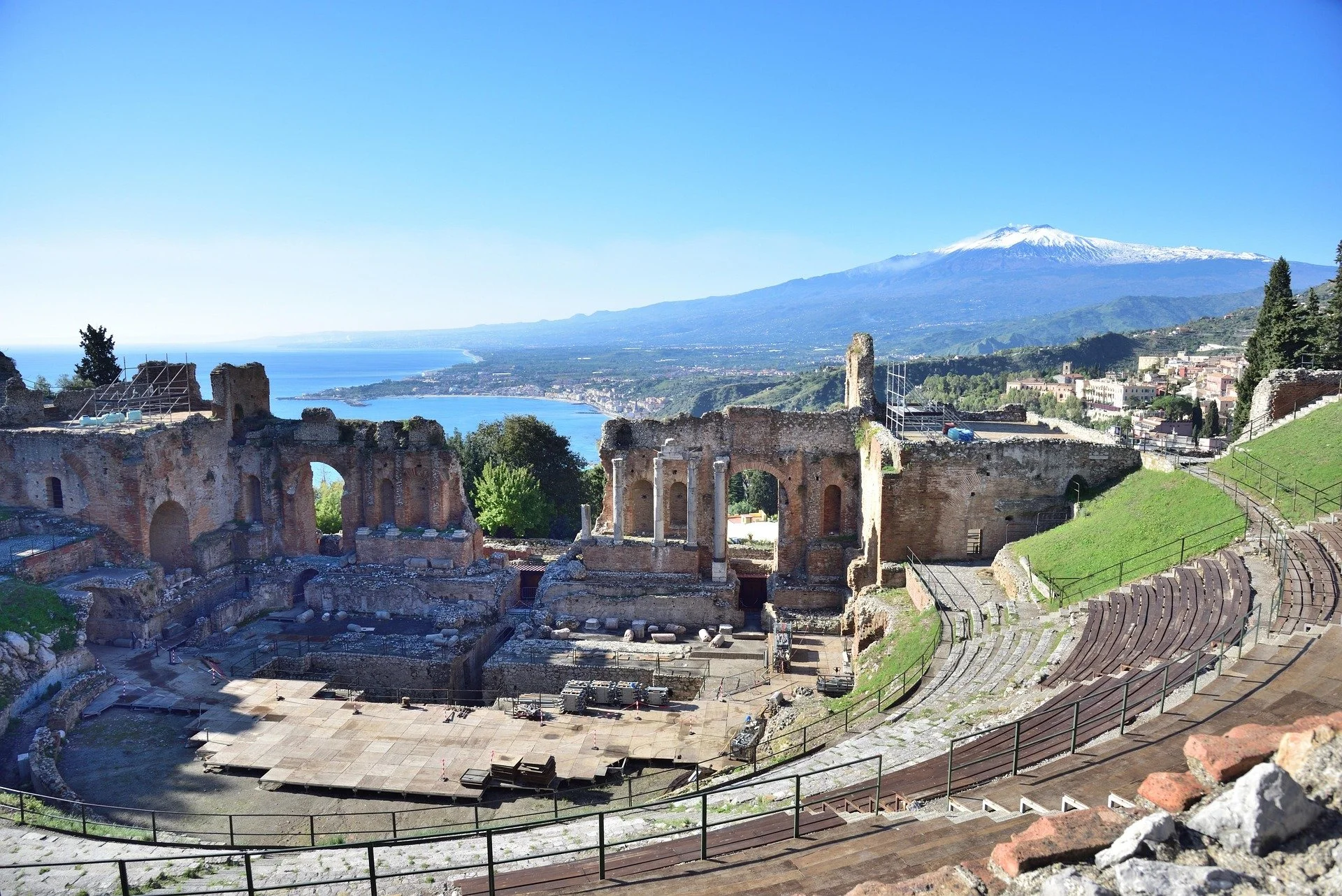
It is located in the centre of the Mediterranean Sea and is separated from Calabria by the Strait of Messina. The territory is predominantly hilly (61.4%) and mountainous (24.5%), with the largest plain located in the Catania area. Mount Etna, Europe's largest volcano, is located in the east.
In addition to the main island, the region comprises numerous smaller islands and island groups, including the Aeolian, Egadi and Pelagie islands.
According to an ancient myth, Sicily was born from the dance of three nymphs.
The Myth of the Nymphs: Legend tells that three beautiful nymphs danced across the world, gathering fruit, earth and flowers, which they then cast into the sea where the waters came together, causing a three-pointed island to emerge.
The ancient name of Sicily was, TRINACRIA
Origin of the name TRINACRIA: In Homer’s epic poem the Odyssey, the island is called Thrinakie (or Thrinakia), a name that comes from the Greek word 'thrinax', which means 'trident' or 'three points', because of its shape.
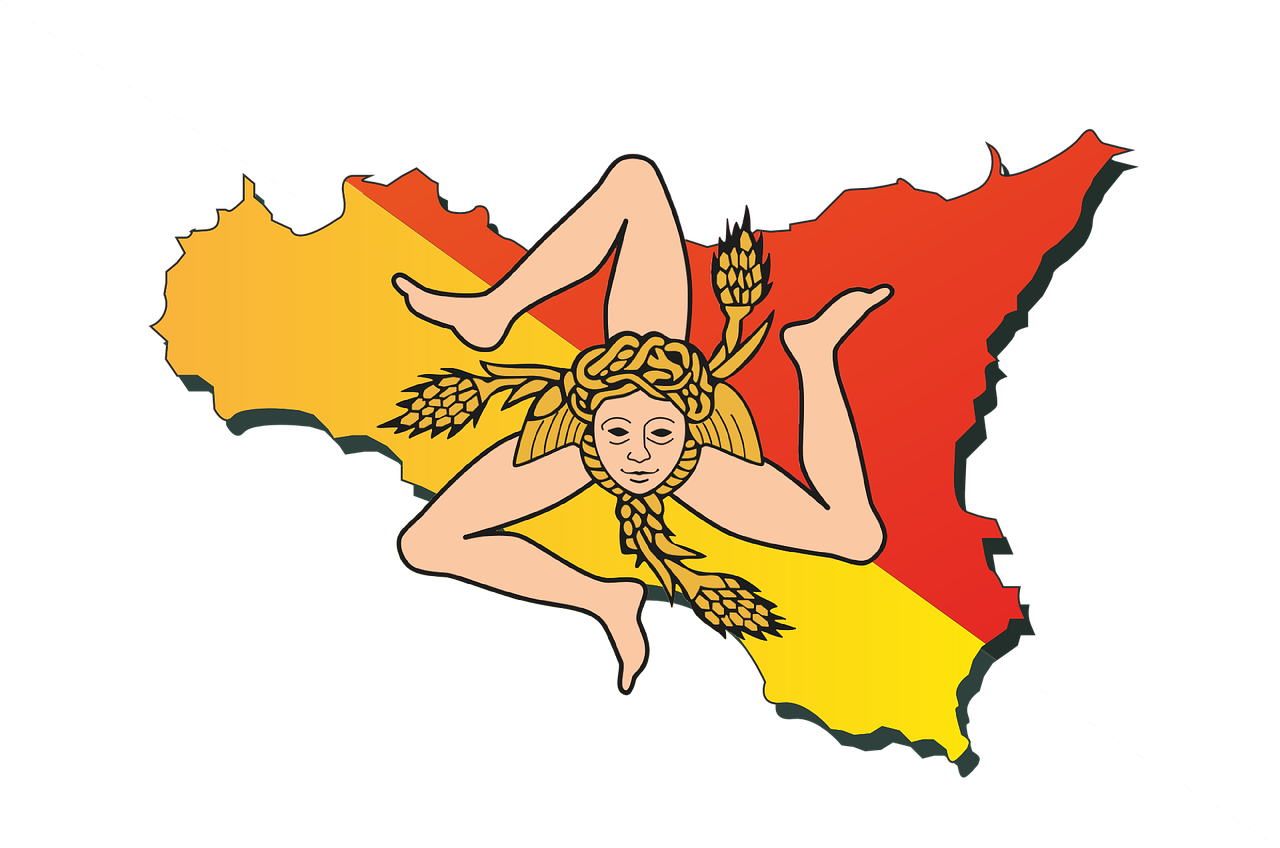
TRINACRIA
Sicily’s ancient and proudly held emblem, steeped in history and timeless tradition
Climate: Mediterranean
Seasons: very hot and dry summers, mild, rainy winters. The south-western coasts can be cloudy.
Capital: Palermo.
The land is divided in nine provinces, each named after its capital city: Agrigento, Caltanissetta, Catania, Enna, Messina, Palermo, Ragusa, Syracuse and Trapani.
Population: Over 5 million, making it the second most populous island in the Mediterranean after Malta.
Sicily boasts numerous UNESCO World Heritage Sites.
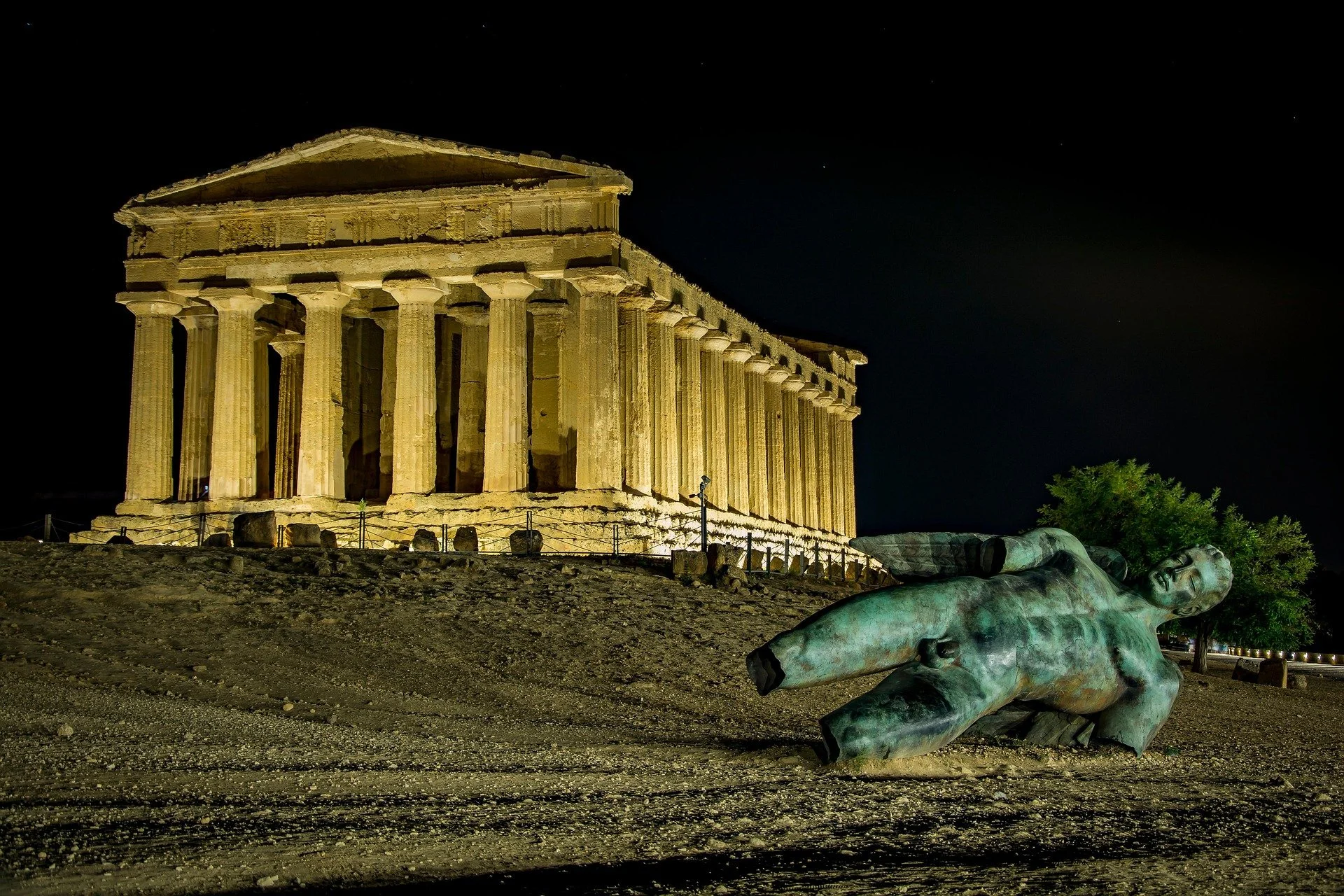
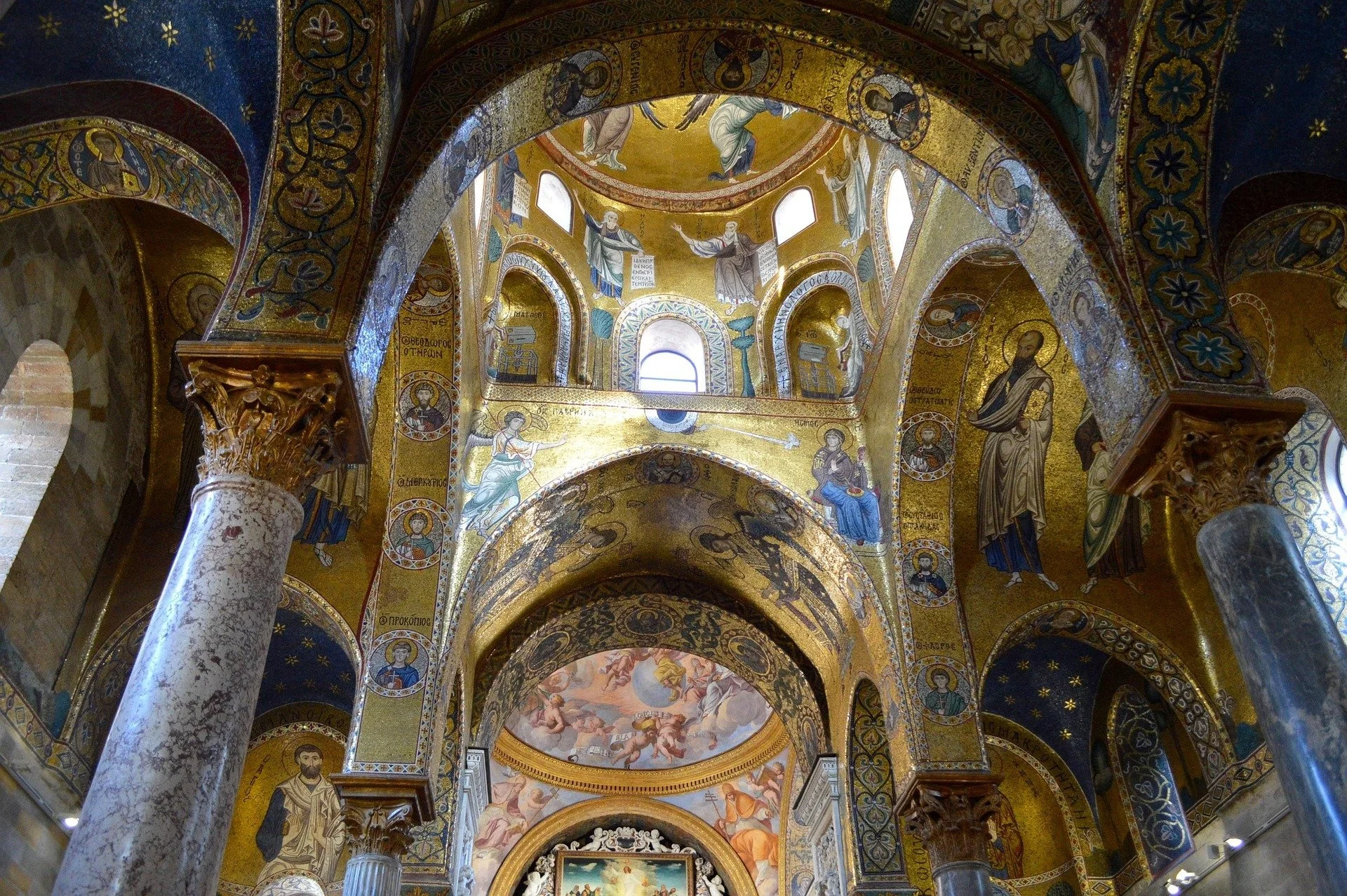
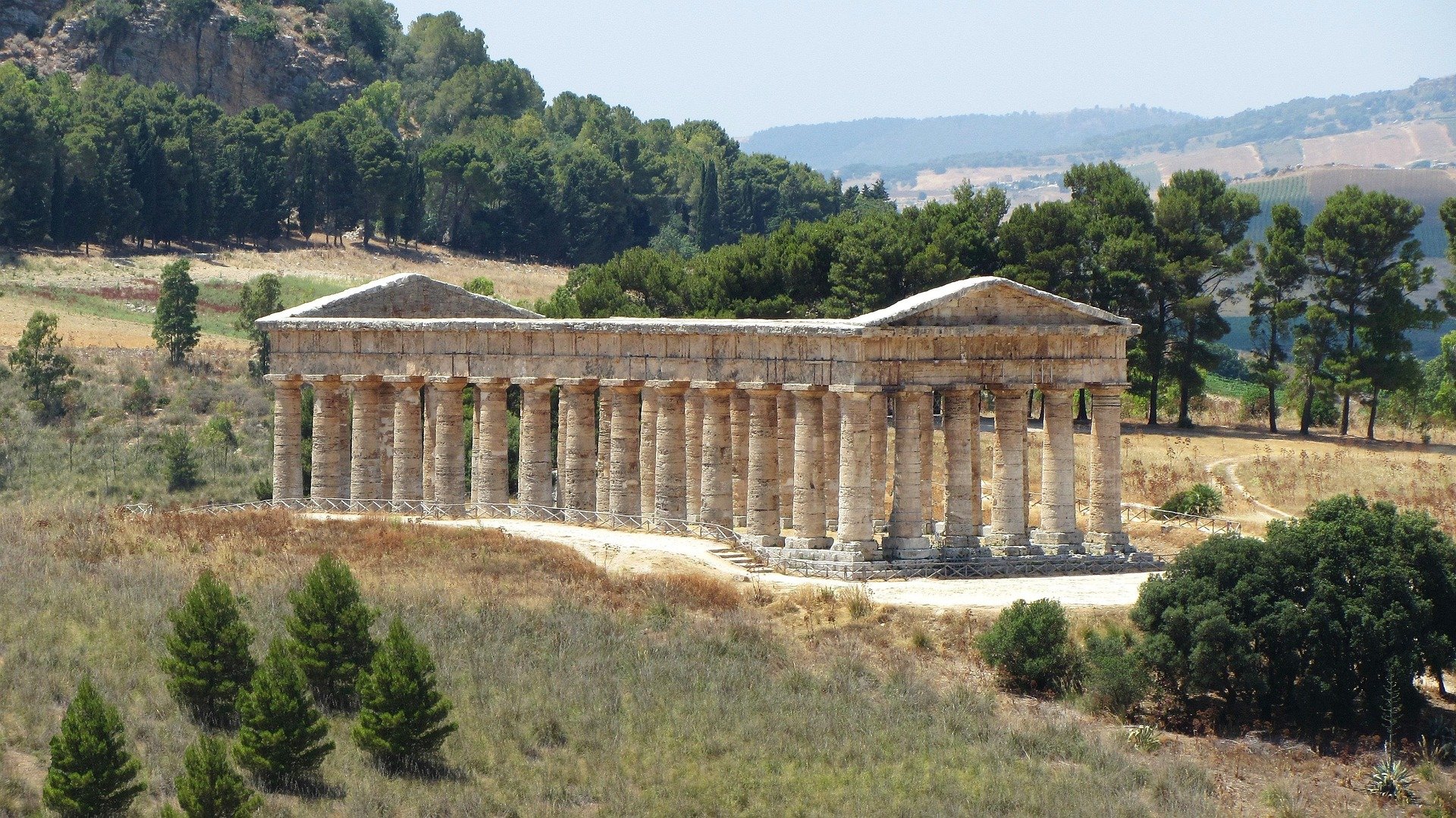
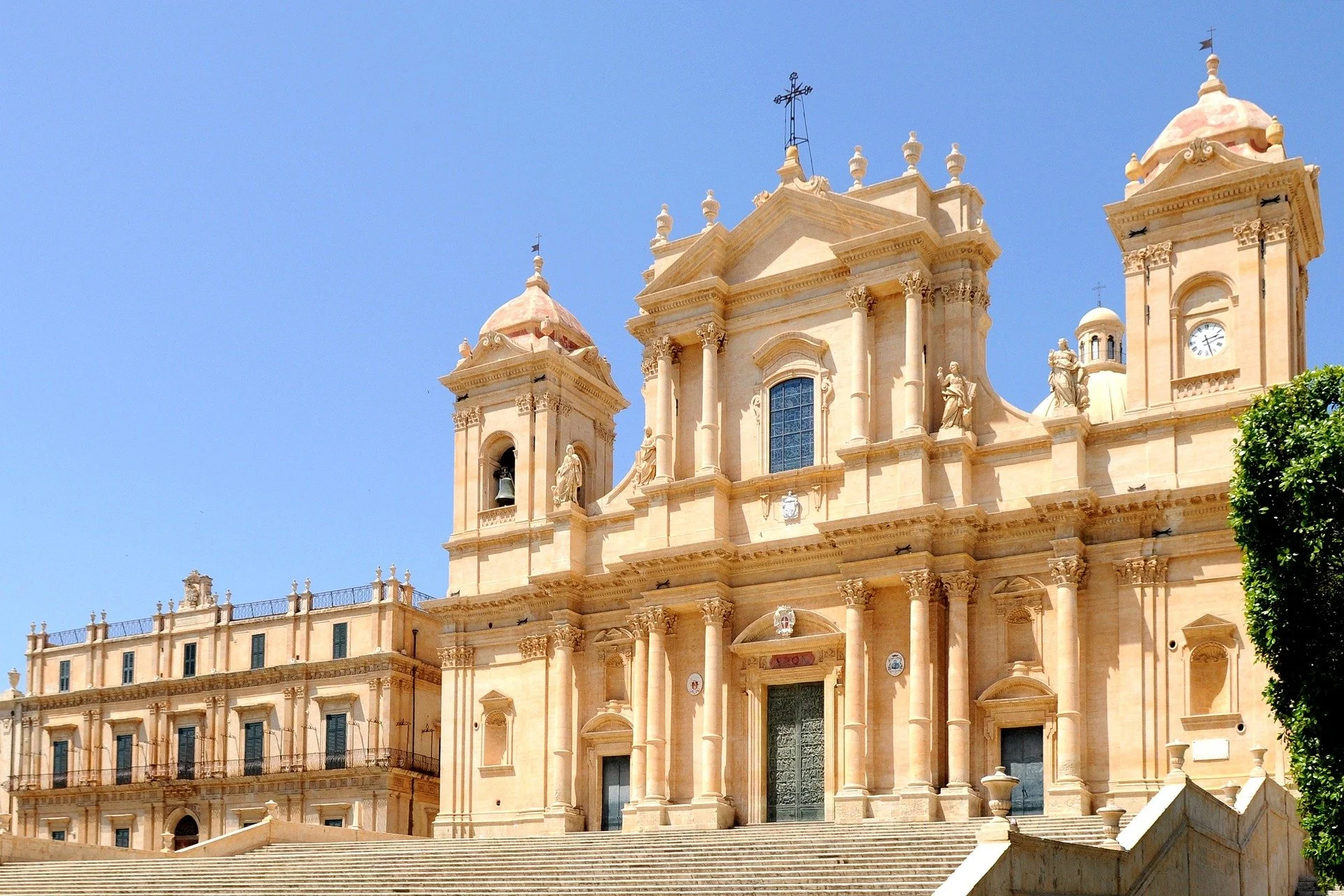
To name a few: the Greek temples in Agrigento; Noto’s Baroque architecture; and Palermo’s Byzantine cathedral. Not to mention the archaeological sites at Segesta and Selinunte. There are also, of course, natural landscapes, coastlines and the Mount Etna volcano.
The island is a crossroads of cultures, with traces of ancient Greek and Arab-Norman civilisations, and a strong cultural heritage that is also expressed in the Sicilian dialect.
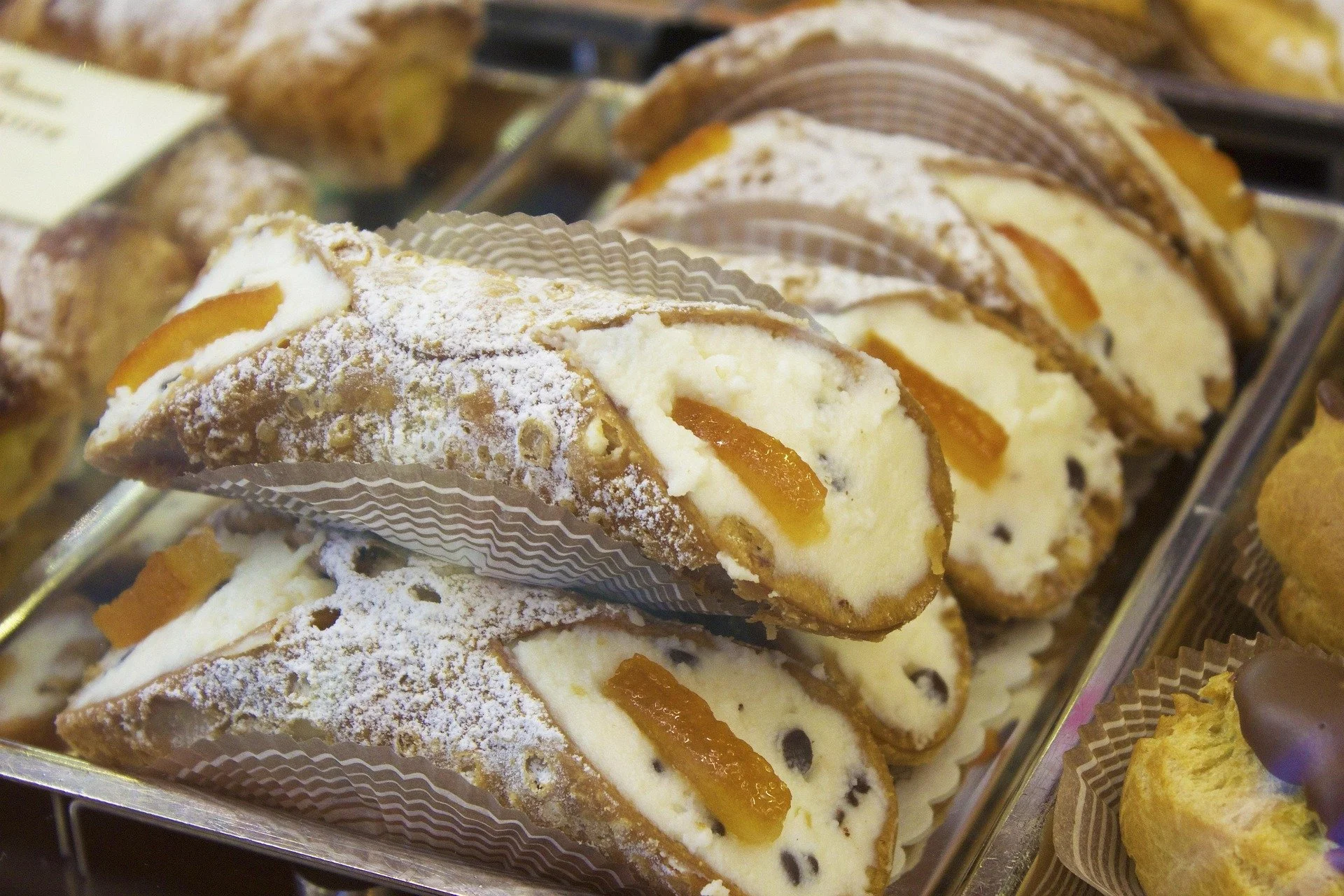
The island is renowned for its excellent cuisine, with traditional dishes and desserts such as the Sicilian cannolo.
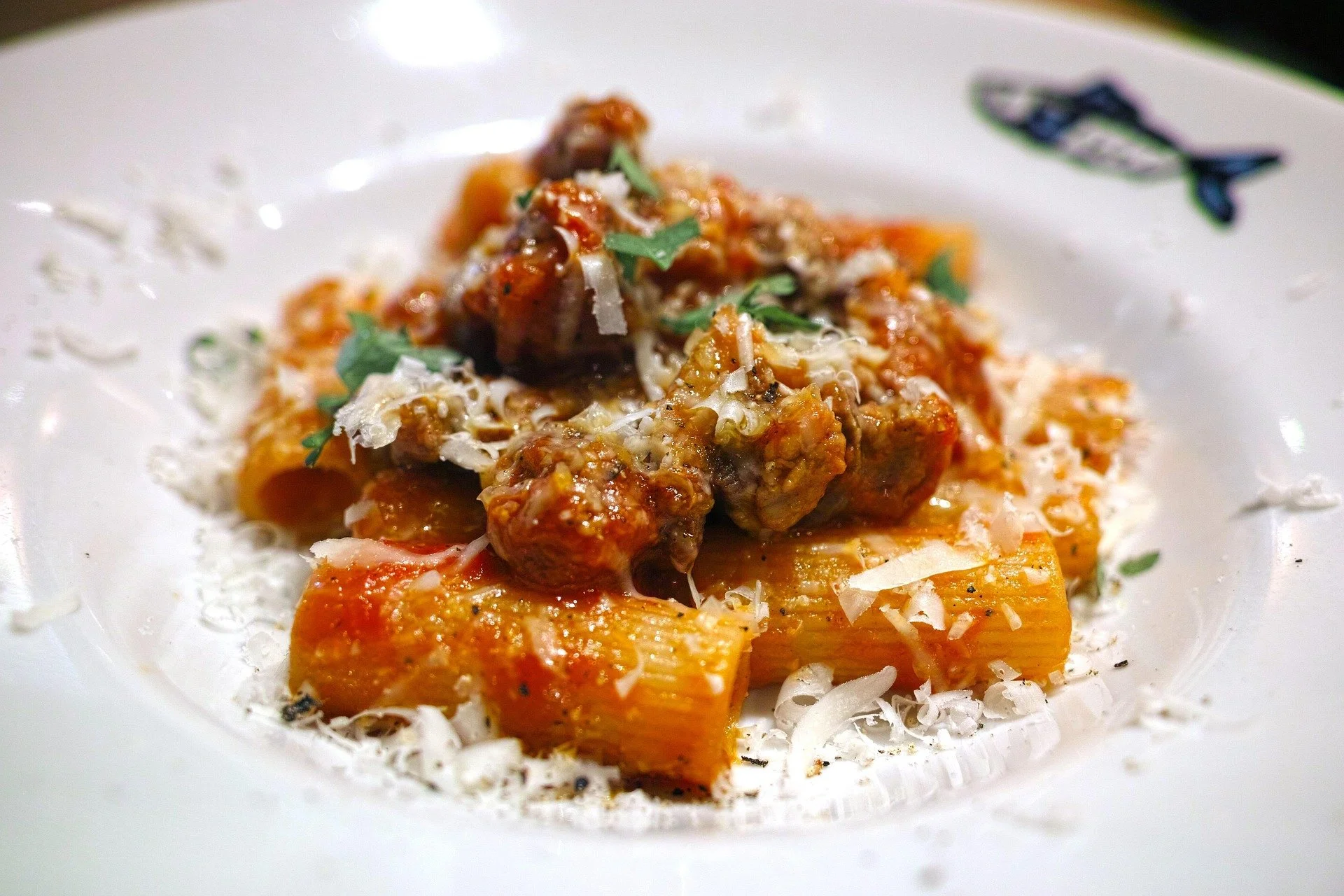
Sicily boasts a wide variety of traditional dishes, each with its own distinctive flavours and culinary heritage. The most famous include arancini, or arancina which are crispy rice balls stuffed with various fillings, and pasta alla Norma, a classic dish consisting of fried egg plant, tomato and salted ricotta cheese. A tribute to the composer Vincenzo Bellini.
Other notable dishes include caponata, a rich egg plant stew, and cannoli, pastries filled with sweetened sheep ricotta and orange zest. Other dishes worth trying include granita, a frozen dessert; panelle, chickpea pancakes; and sfincione, a thick, soft pizza.
Wine:
The most widely cultivated red grape varieties are Nero d'Avola, Nerello Mascalese (used to produce Etna Rosso DOC), Nerello Cappuccio, Sangiovese, Merlot, Syrah, Frappato, Cabernet Sauvignon, Cabernet Franc, Perricone and Greco Nero.
White wines are:
Grillo, Chardonnay, Zibibbo, Catarratto, Inzolia, Viognier, Grecanico, Carricante, Passito di Lampedusa.
Red wines are:
Frappato, il Nero d'Avola, Nerello Mascalese, Nerello Cappuccio e il Perricone.
If Sicily is your desitination contact usshall be glad to assist you. (contact us - click here) to write a message.