Visit Emilia Romagna - North - Eastern Region
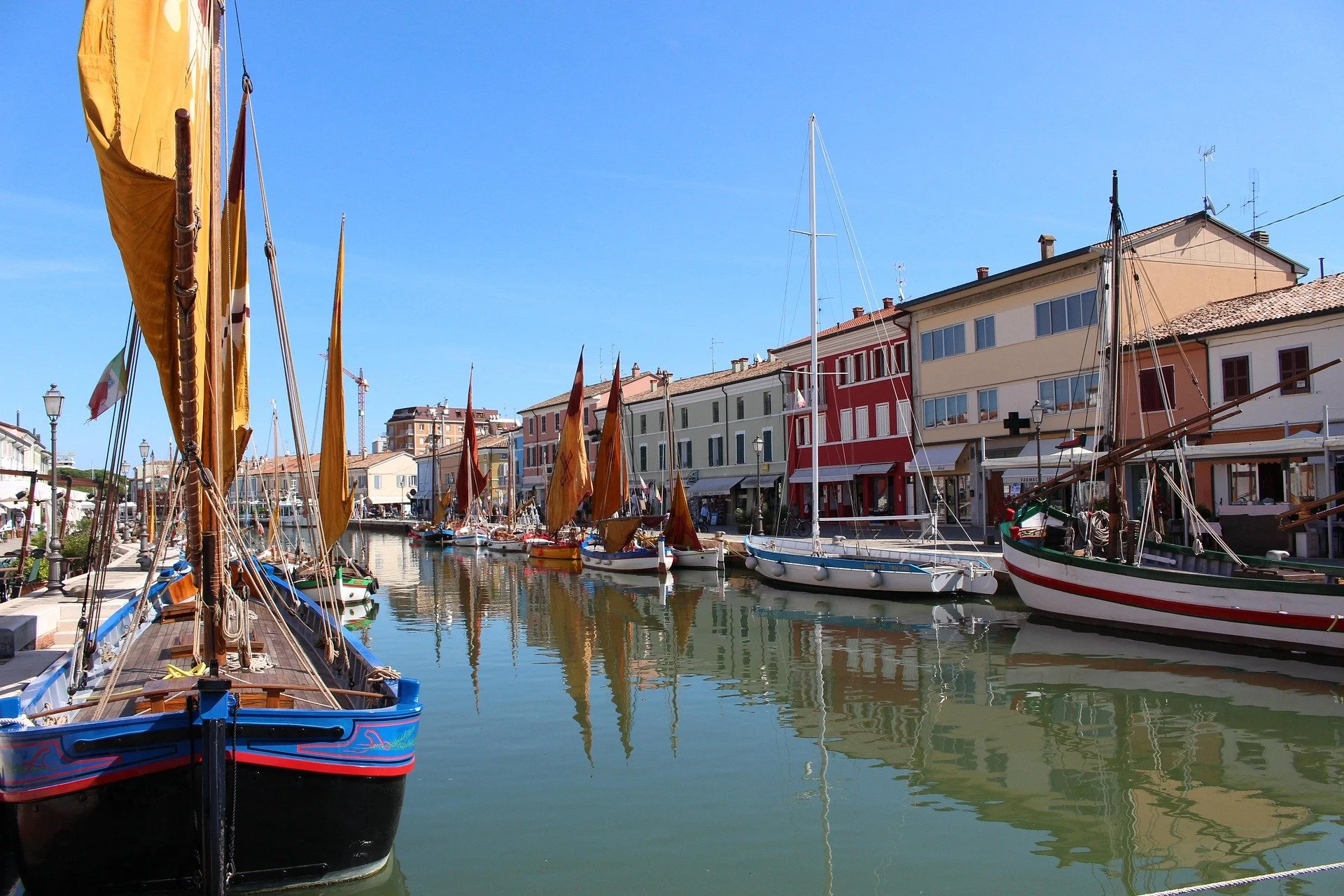

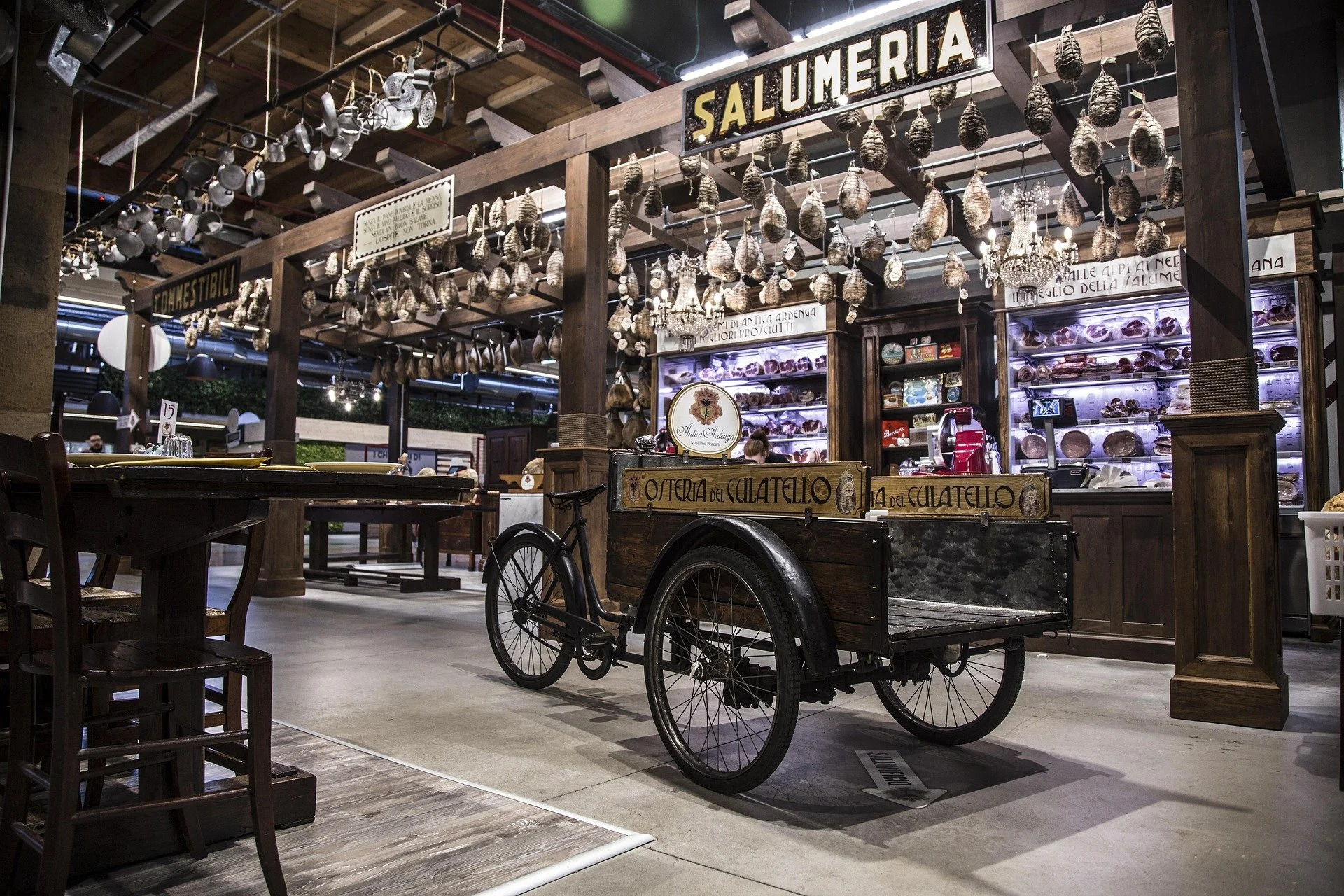
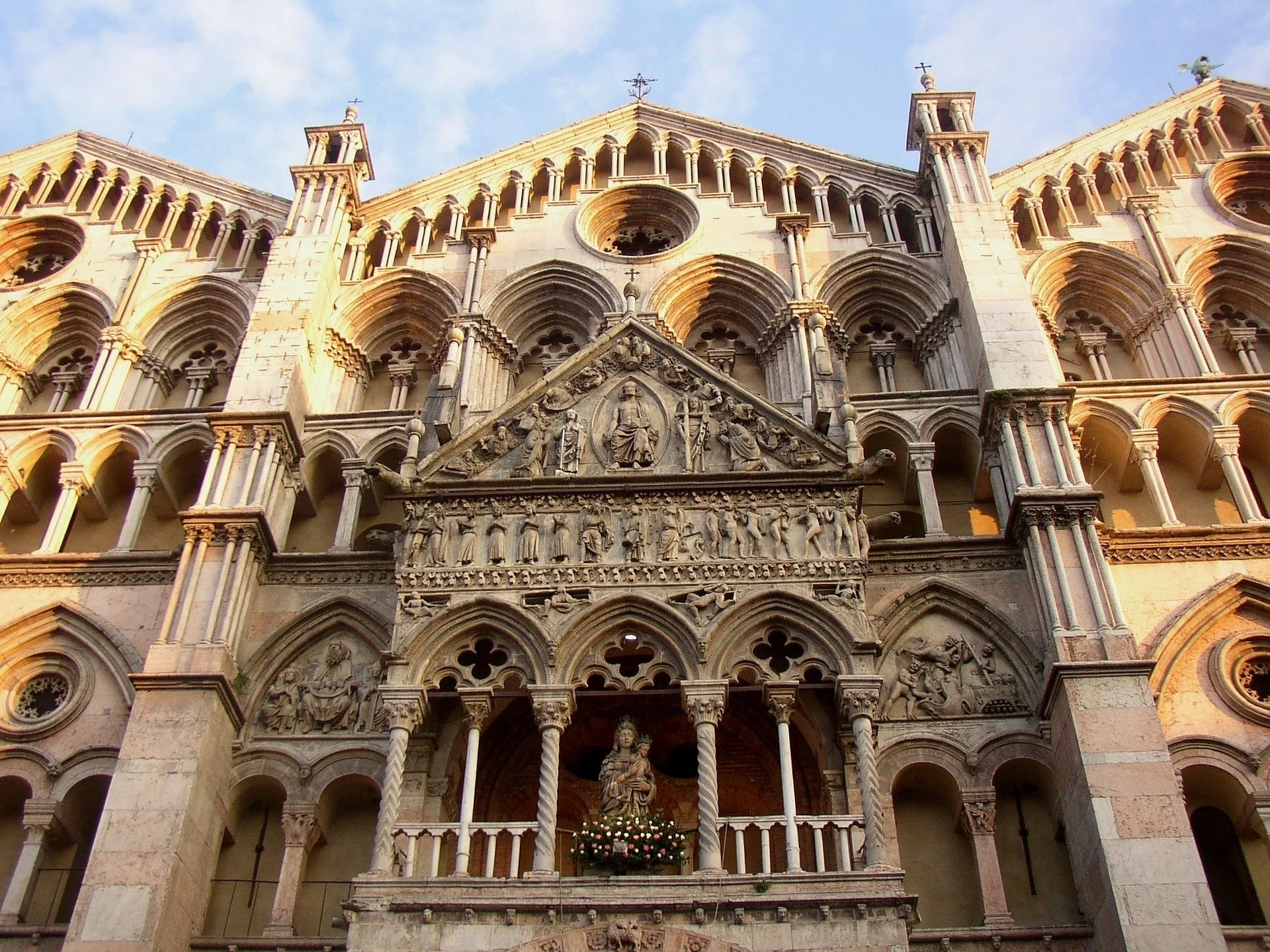
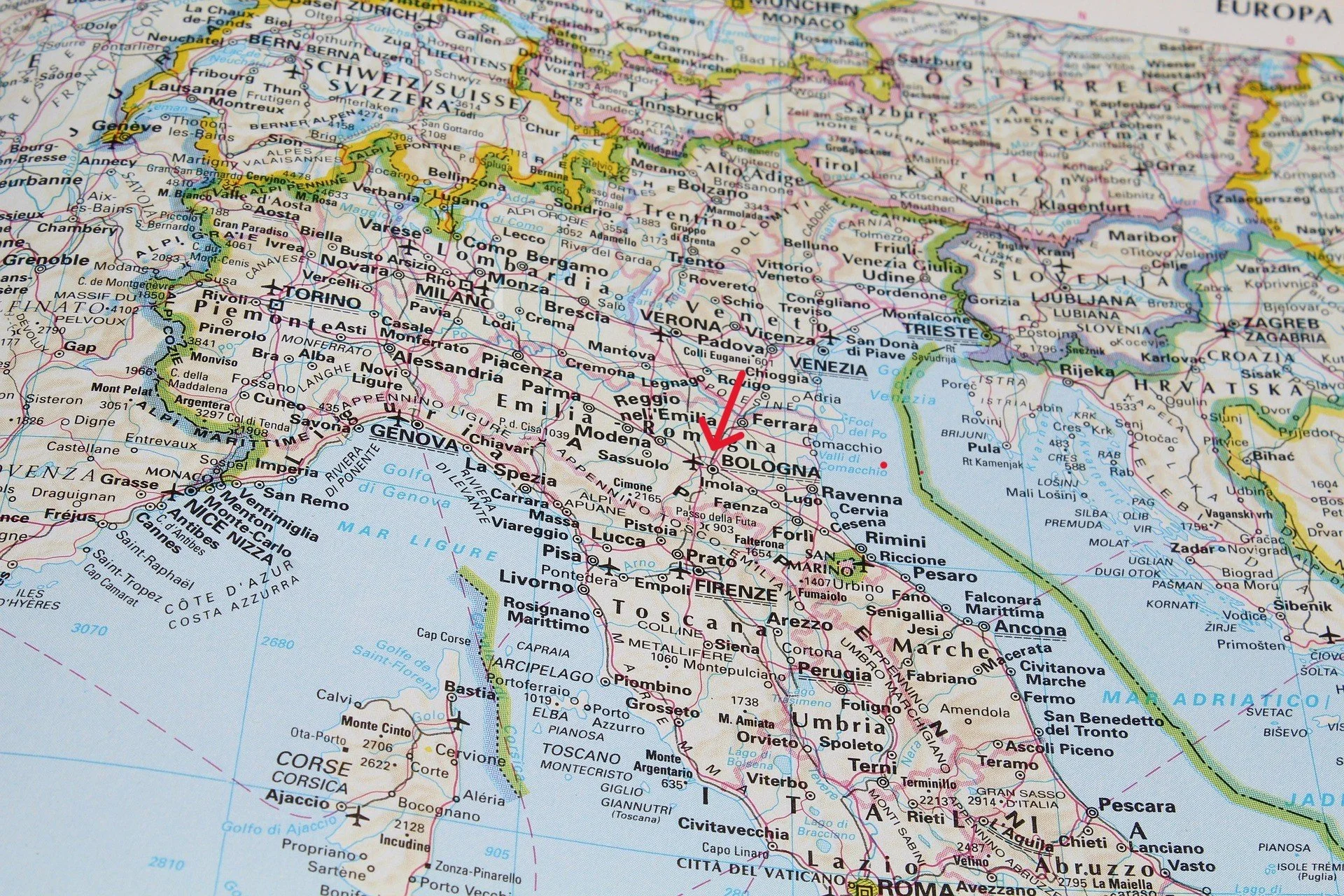
Emilia-Romagna is a region in north-east Italy with a population of over 4.4 million. It is renowned for its high standard of living, the 'Food Valley', and the strong economy of the 'Motor Valley'. Its capital is Bologna, and its territory extends from the Po Valley to the Apennines and the Adriatic Sea. The region comprises the provinces of Piacenza, Parma, Reggio Emilia, Modena, Ferrara, Ravenna, Forlì-Cesena and Rimini.
Curiosity: do you know why it’s named Romagna? The term Romània (or Romandiola), means "land of the Romans". During the 6th-century A.D., Ravenna was the capital of the Eastern Roman (Byzantine) Empire.
For us Italians, this region is synonymous with “the good life”. It's no coincidence that Federico Fellini, the director of “La Dolce Vita”, was born here.
The region is divided into the two historical areas of Emilia and Romagna. It borders Lombardy, Veneto, Piedmont, Liguria, Tuscany, Marche, and the Republic of San Marino. It has a varied territory, ranging from the Po delta to the beaches of the Romagna Riviera, up to the Apennine mountains.
It is one of the richest regions in Italy, excelling in agri-food with Parmigiano Reggiano, Prosciutto di Parma, balsamic vinegar, pasta, etc., as well as engineering and tourism.
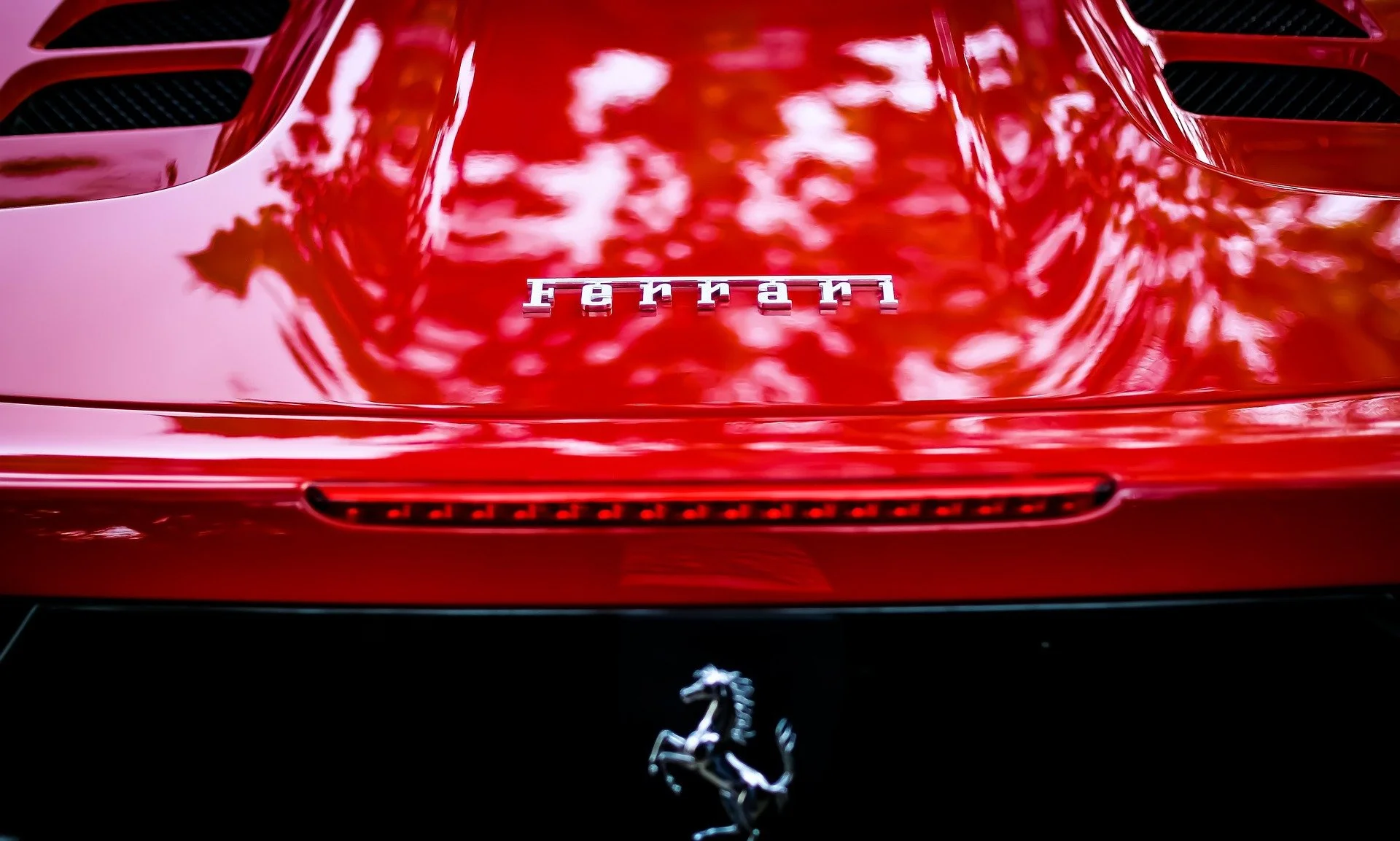
Bologna is home to the oldest university in the world, after Federico II in Naples. The region is famous for the Romagna Riviera, cities of art such as Ferrara, Ravenna, Parma, and the “Motor Valley” of Ferrari, Lamborghini, and Maserati.
Known as the “Food Valley” of Europe, the region offers D.O.P and I.G.P. (Protected Geographical Indication) products, including mortadella from Bologna, cured meats, cheeses, and wines. It is also famous for egg pasta such as tortellini, lasagna, tagliatelle, and piadina romagnola.
The D.O.C. (Controlled Destination of Origin) or IGP recognition is a huge added value for food and wine products because it means that they have reached and exceeded very high standards, complying with the regulations imposed by the Italian State.
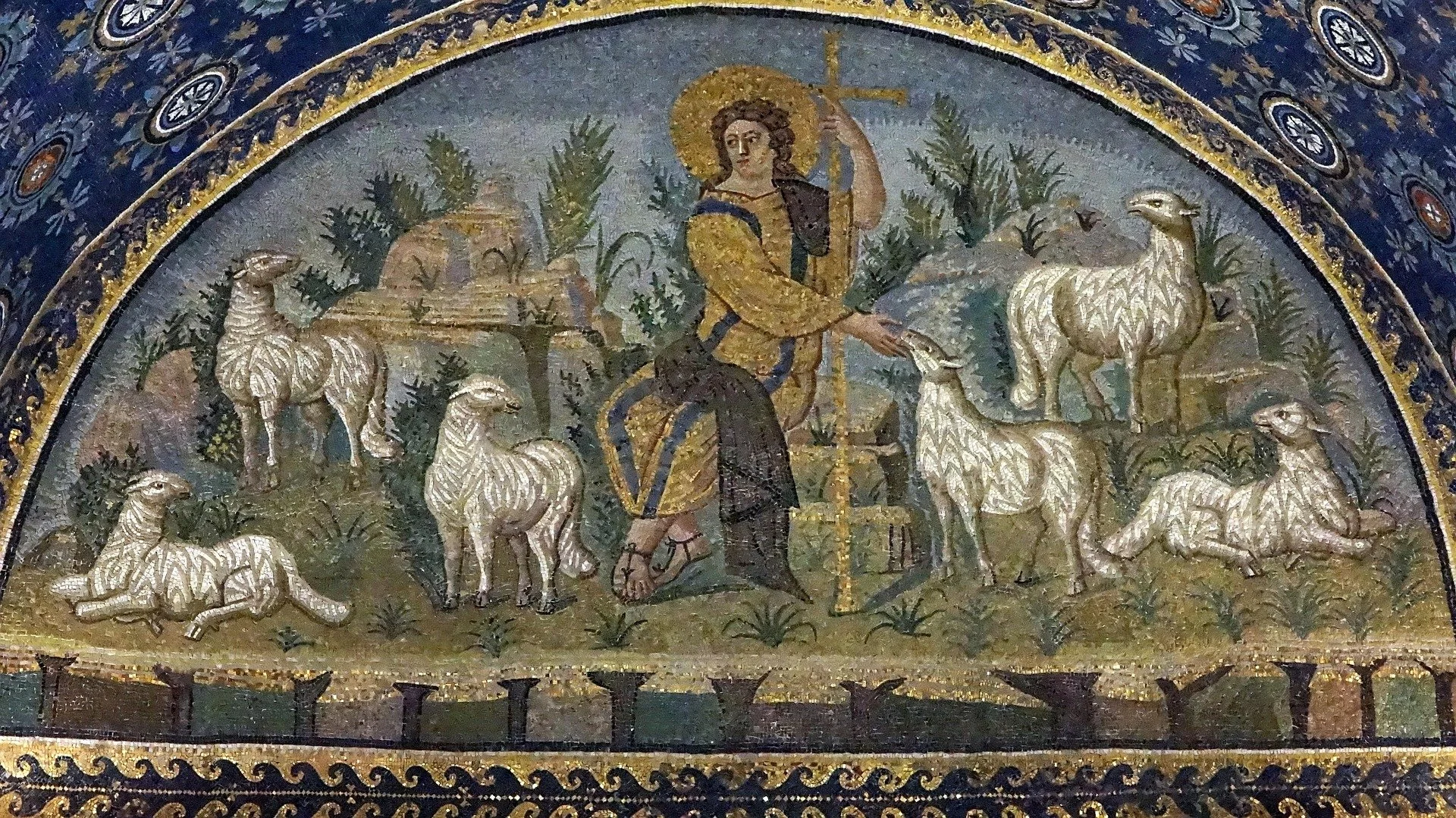
Cities of Art: Main destinations include Bologna, known for its porticoes (UNESCO World Heritage Site), Ravenna for its Byzantine mosaics, and Ferrara for its Renaissance architecture. (* we lived in Ferrara for a few years)
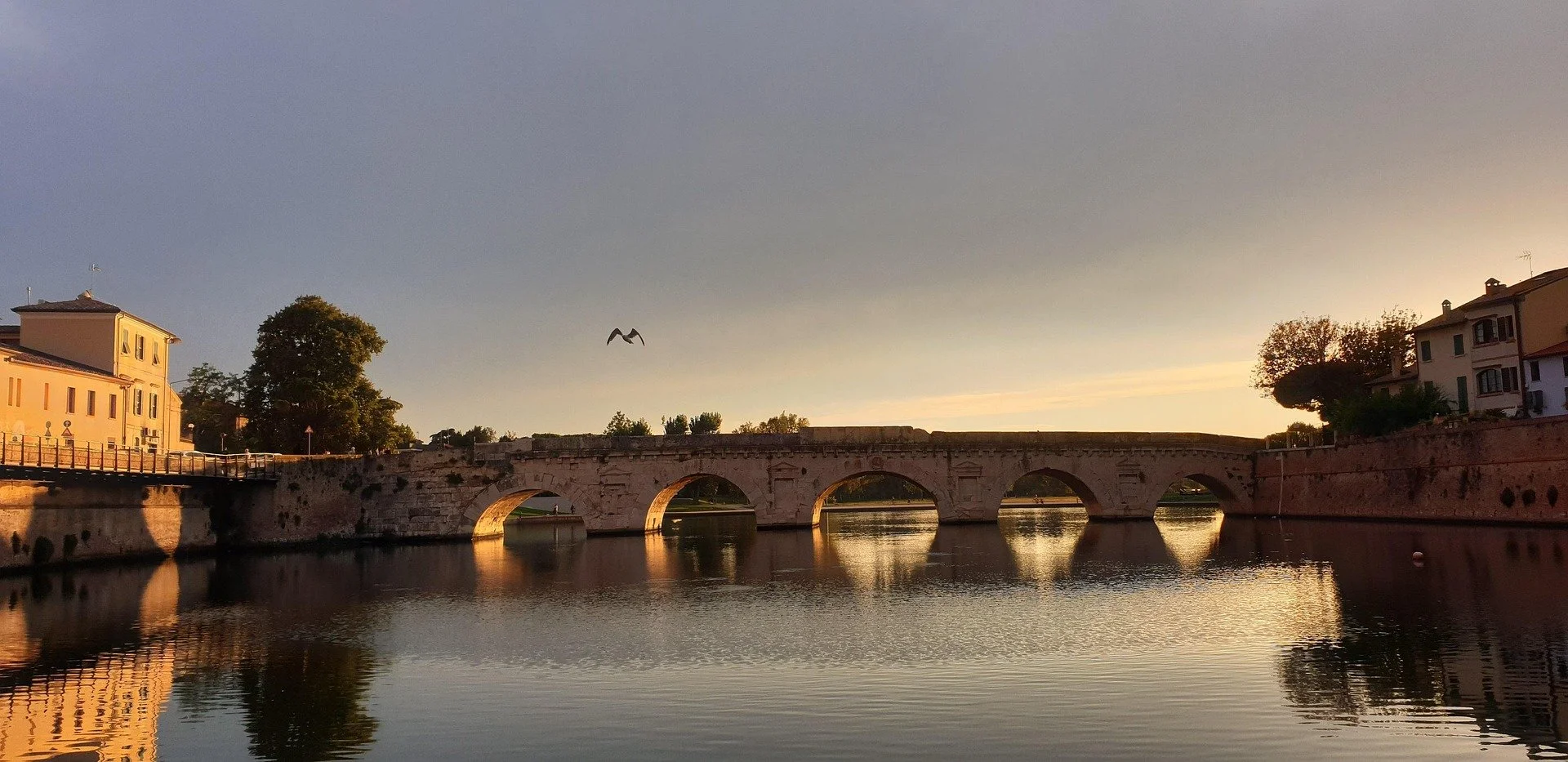
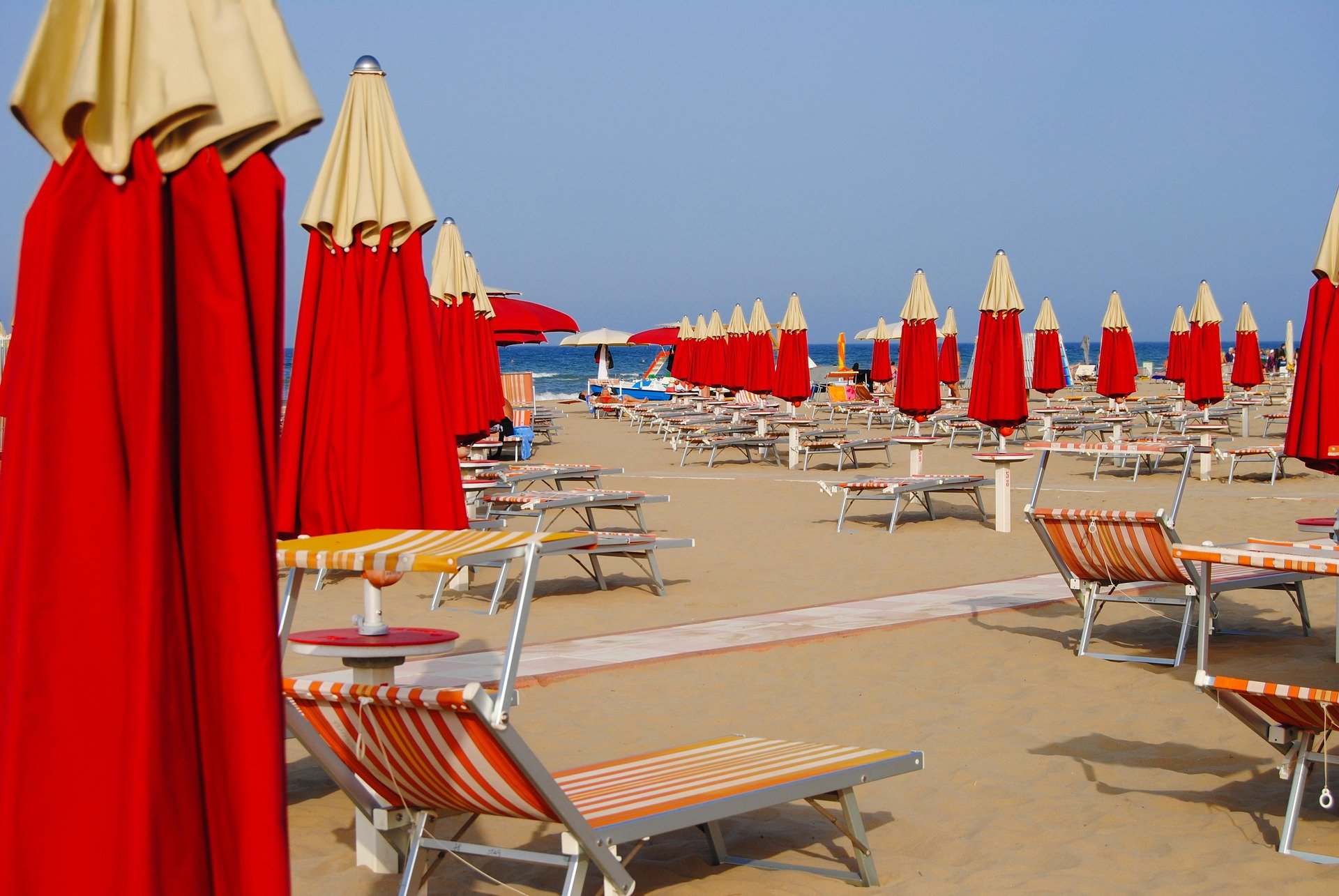
Romagna Riviera: Towns such as Rimini and Riccione are pillars of European seaside tourism.
Wine
Emilia-Romagna boasts a diverse wine production, with two DOCG wines and numerous DOC appellations. Production is clearly divided between the Emilia area, dominated by sparkling wines (Lambrusco and Pignoletto), and the Romagna area, where full-bodied reds and structured whites prevail.
The Great Classics of Emilia
In Emilia, wine is often synonymous with liveliness and freshness, ideal for accompanying the rich local cured meats.
Lambrusco (DOC): The most exported sparkling red wine in the world. It is divided into several main varieties depending on the area: Sorbara (light and acidic), Grasparossa di Castelvetro (full-bodied and dark) and Salamino di Santa Croce.
Colli Bolognesi Pignoletto (DOCG): Made from Grechetto Gentile grapes, this is Bologna's signature white wine, available in still, sparkling, or semi-sparkling versions.
Gutturnio (DOC): Typical of the Colli Piacentini hills, this wine is made from a blend of Barbera (for strength) and Croatina (for softness).
Ortrugo (DOC): A white grape variety native to the Piacenza area, rediscovered in the 1970s, usually vinified as a sparkling wine.
The Pillars of Romagna
Moving eastward, the landscape and grape varieties change dramatically, focusing on structure and longevity.
Romagna Sangiovese (DOC): The king of Romagna reds, produced in different subzones such as Predappio or Bertinoro that vary in intensity.
Romagna Albana (DOCG): The first white wine in Italy to receive DOCG status. It is produced in dry, semi-sweet, or passito versions (famous for its apricot aromas).
Trebbiano di Romagna (DOC): A fresh and light white wine, very common throughout the plains and hills of Romagna.
Pagadebit and Famoso: Minor but historic native grape varieties; Famoso or Rambela grape has recently been rediscovered for its distinctive notes. (* funny names, the first wine means “pay your dues” the second means “famous)
UNESCO World Heritage Sites
Ravenna (Early Christian Mosaics): Seven monuments and a mausoleum from the 5th and 6th centuries that preserve the most precious mosaics in the Western world, including the Basilica of San Vitale and the Mausoleum of Galla Placidia.
Modena (Piazza Grande, Cathedral, and Ghirlandina): A supreme example of 12th-century Romanesque art, with sculptures by Wiligelmo and architecture by Lanfranco.
Ferrara (Renaissance City and Po Delta): The first modern city in Europe, with the Estense Castle and the “Delizie” (recreational residences of the Este family) scattered throughout the territory. Ferrara and Florence are linked by a shared Renaissance history,
Bologna (The Porticoes): 62 km of porticoes, 12 selected sections of which have been a UNESCO World Heritage Site since 2021 as an identifying feature of the city's urban planning.
Museums and Monumental Sites
The region is home to internationally renowned art galleries:
Pilotta Complex (Parma): Includes the majestic Farnese Theater (made entirely of wood), the National Gallery (with works by Leonardo, Correggio, and Parmigianino), and the Palatine Library.
Pinacoteca Nazionale in Bologna, Art Gallery: Houses masterpieces from the 13th to the 18th centuries, including Raphael's Ecstasy of Saint Cecilia and works by the Carracci and Guido Reni.
Galleria Estense, Art Gallery (Modena): Houses the prestigious art collection of the d'Este family.
The Abbey of Pomposa, located in Codigoro (FE), is one of the most evocative monastic complexes in Italy, a true masterpiece of Romanesque and Byzantine art immersed in the silence of the Po Delta.
Historical curiosity connected to the Abbey.
Pomposa is forever linked to Guido d'Arezzo, the monk who, around the year 1000, invented modern musical notes and the tetragram system (4 lines), the ancestor of the pentagram (5 lines), giving names to musical notes (Ut-Re-Mi-Fa-Sol-La).
Another national curiosity is that the Italian flag was conceived for the first time in Reggio Emilia in 1797.
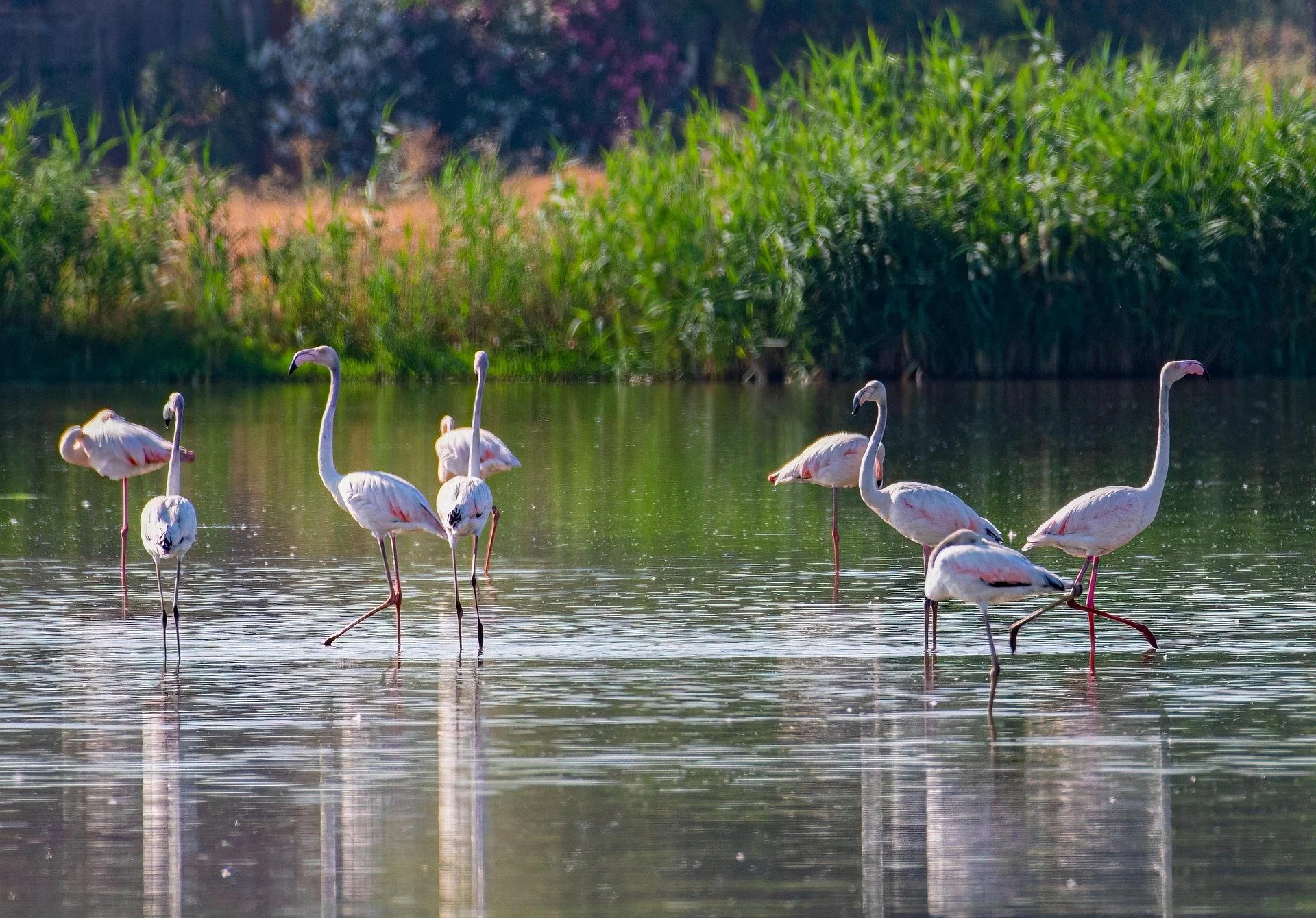
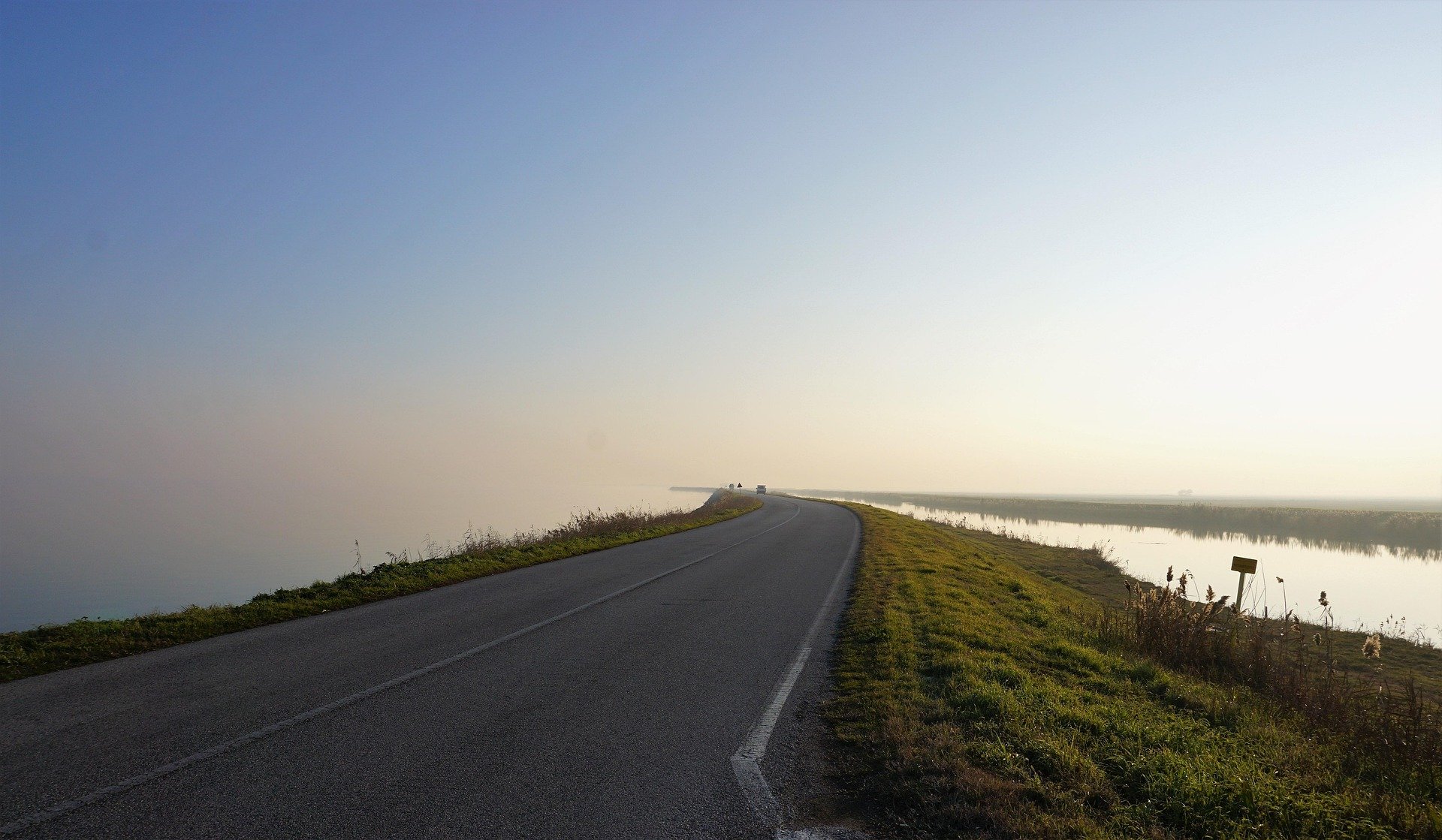
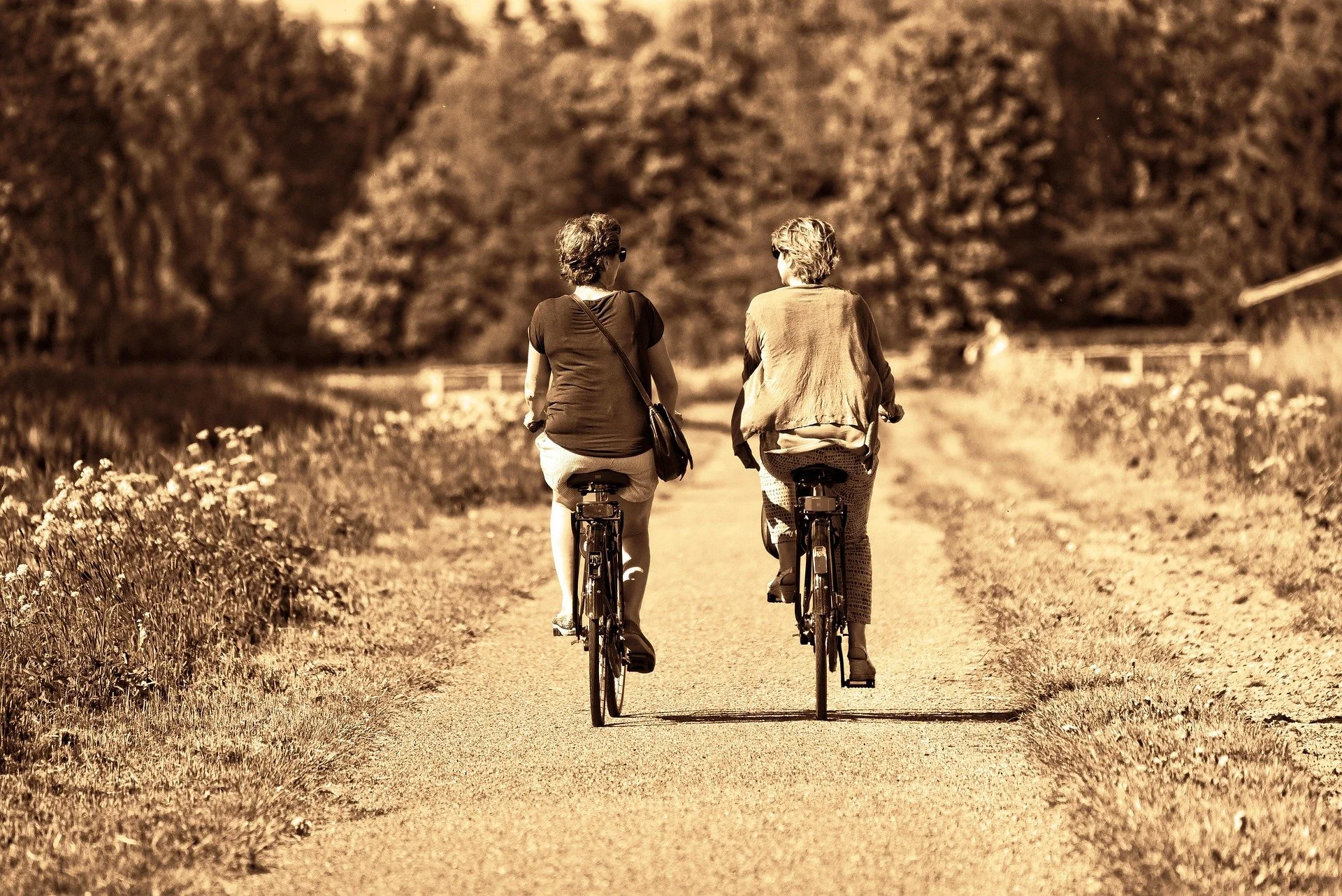
Not to forget, this beautiful region is also known for its high number of bike trails, especially in the Po River delta, the largest in Italy, where there are picturesque landscapes and nature reserves for flamingos and other species. It is an area well known for nature cycling tourism.
Here are our 10 tips to discover this region:
Bologna and its cuisine: Explore Piazza Maggiore, the Basilica of San Petronio, and climb the Two Towers. Try tortellini and ragù in traditional restaurants.
Ravenna and its UNESCO mosaics: Admire the late Roman and Byzantine mosaics, particularly in the Basilica of San Vitale and the Mausoleum of Galla Placidia.
Motor Valley and Ferrari Museums: Visit the Ferrari Museum in Maranello and the Enzo Ferrari House Museum in Modena.
The “Little Venice” of Comacchio: Stroll among the canals and historic bridges of Comacchio and take a boat trip in the Valleys.
Castles of the Duchy of Parma and Piacenza: Visit the castle of Torrechiara, the Labyrinth of Masone in Fontanellato, or the Castle of Rivalta.
Ferrara Estense: Explore the Estense Castle and cycle through the streets of the city center, a UNESCO World Heritage Site.
Food and wine in Parma and Modena: Visit a Parmigiano Reggiano cheese factory and a traditional vinegar cellar for Aceto Balsamico di Modena.
Medieval villages and Romagna: Visit the villages of Brisighella, Dozza (city of murals), or San Leo.
Relaxation and nightlife on the Riviera: Enjoy the sea and nightlife of Rimini and Cesenatico.
Nature on the Po Delta: Explore the Po Delta Regional Park, ideal for birdwatching, biking and hiking
Should you wish to discover and travel this amazing region contact us.(click here) to write a message.