
Visit Campania - Southern Italy Region
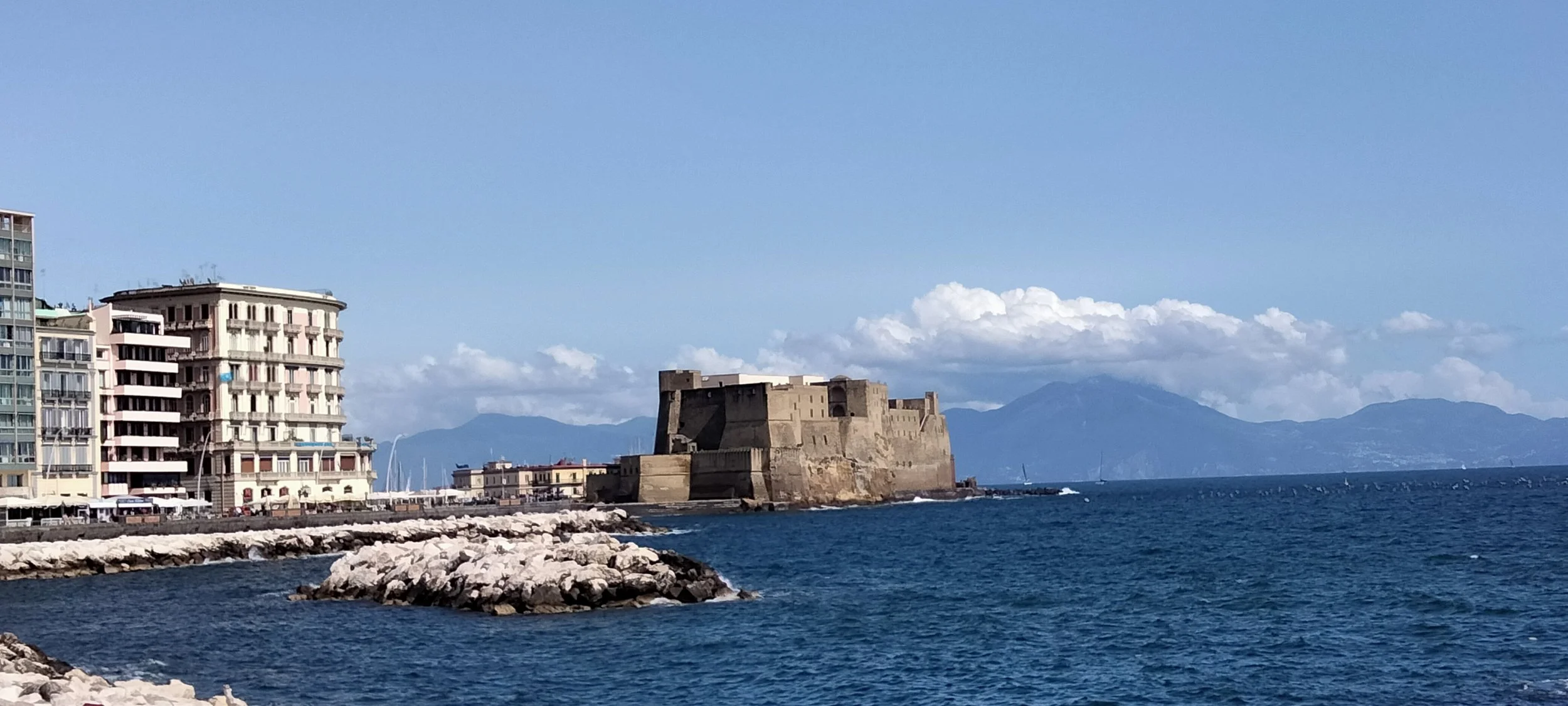
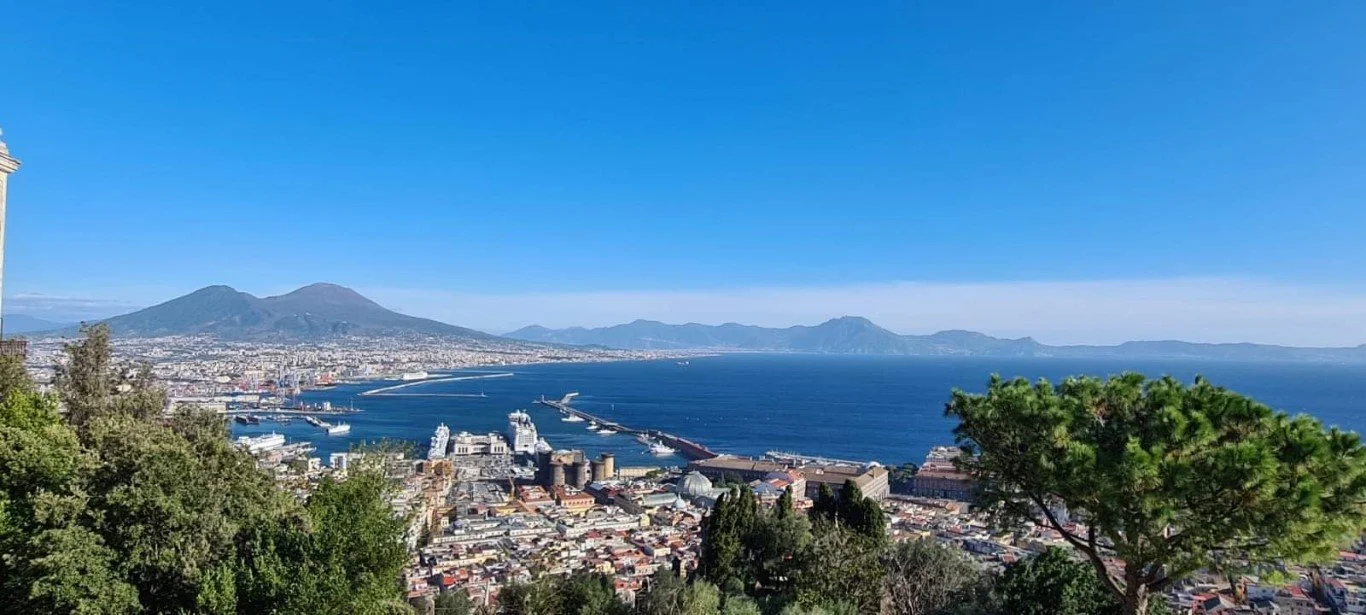
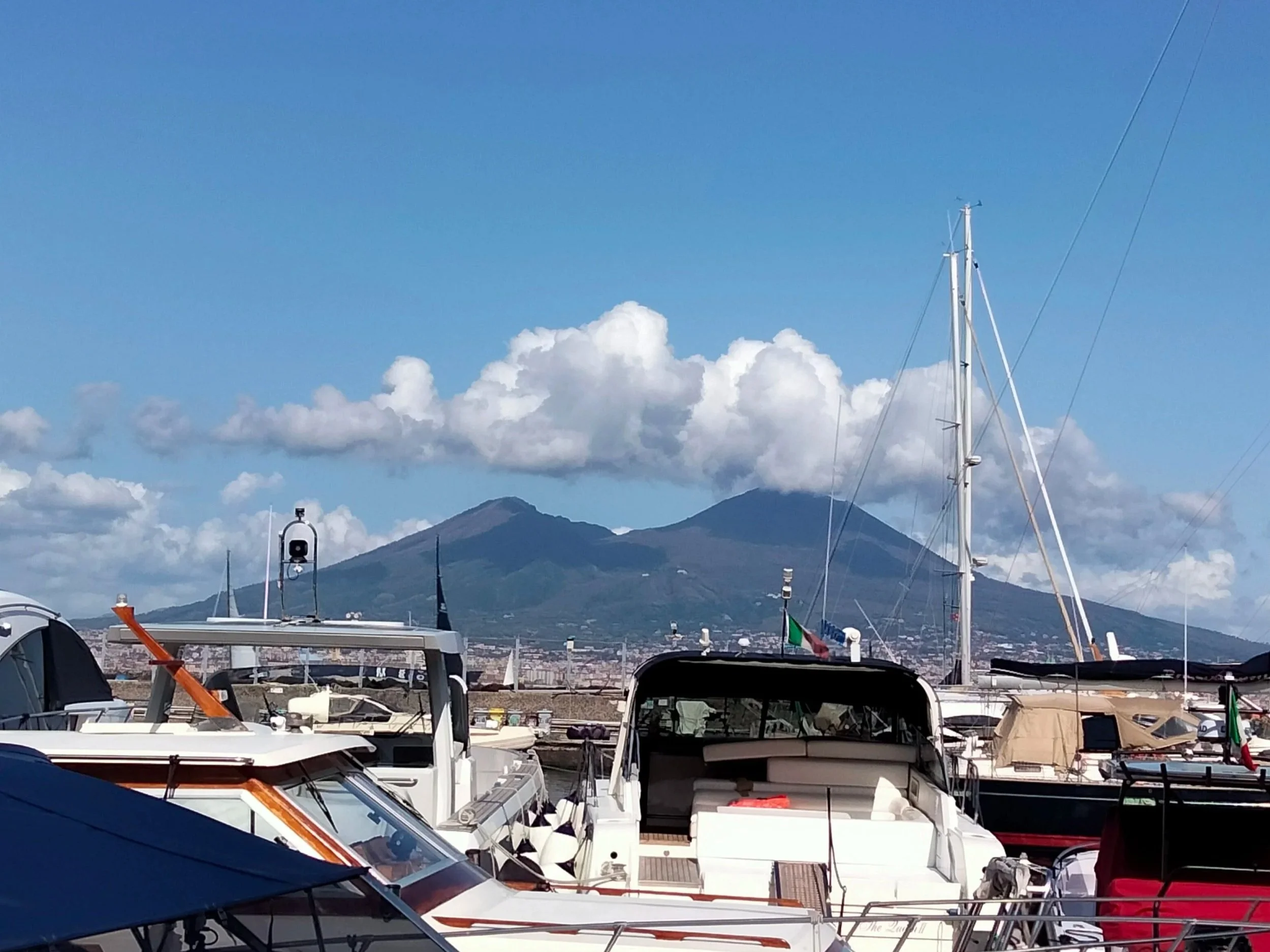
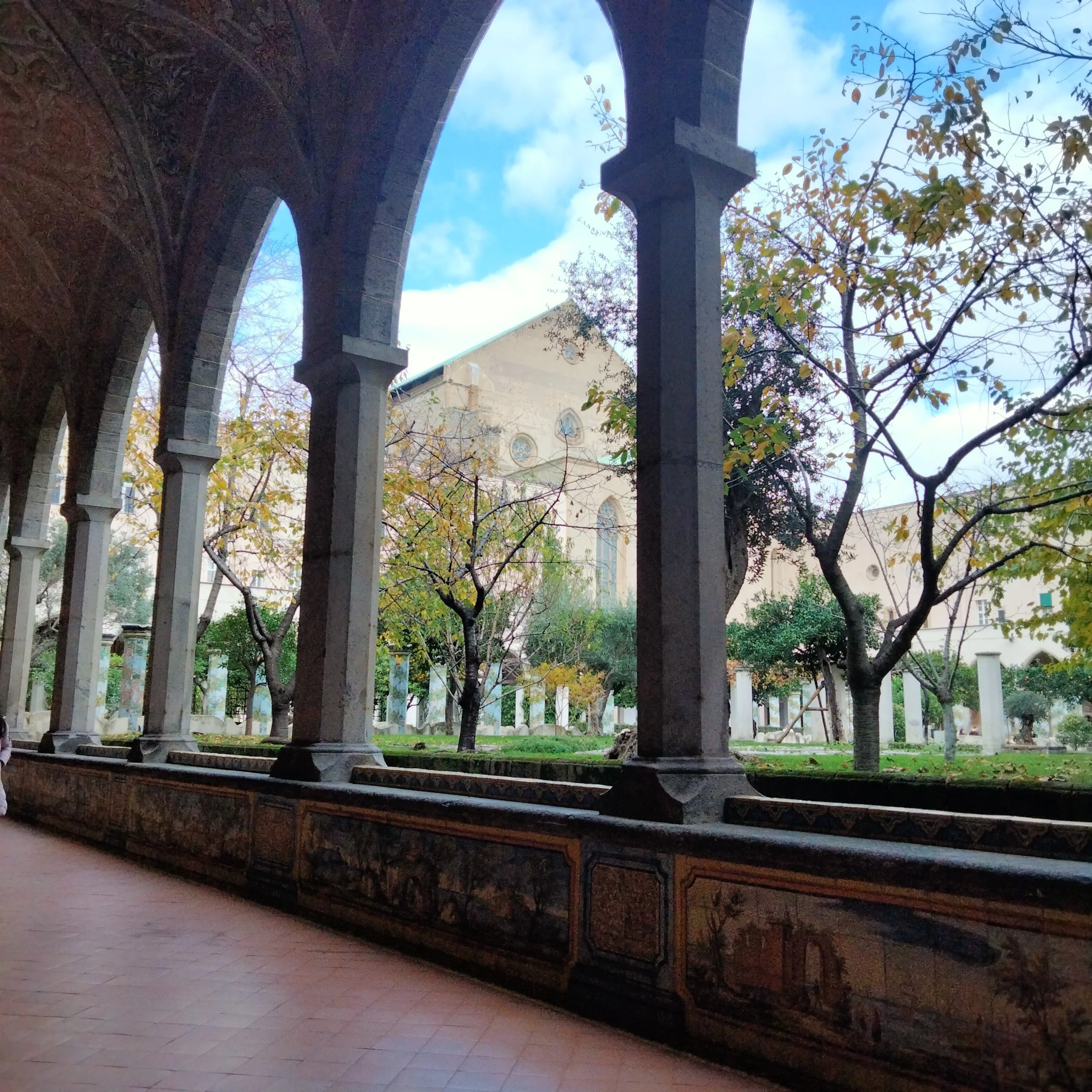
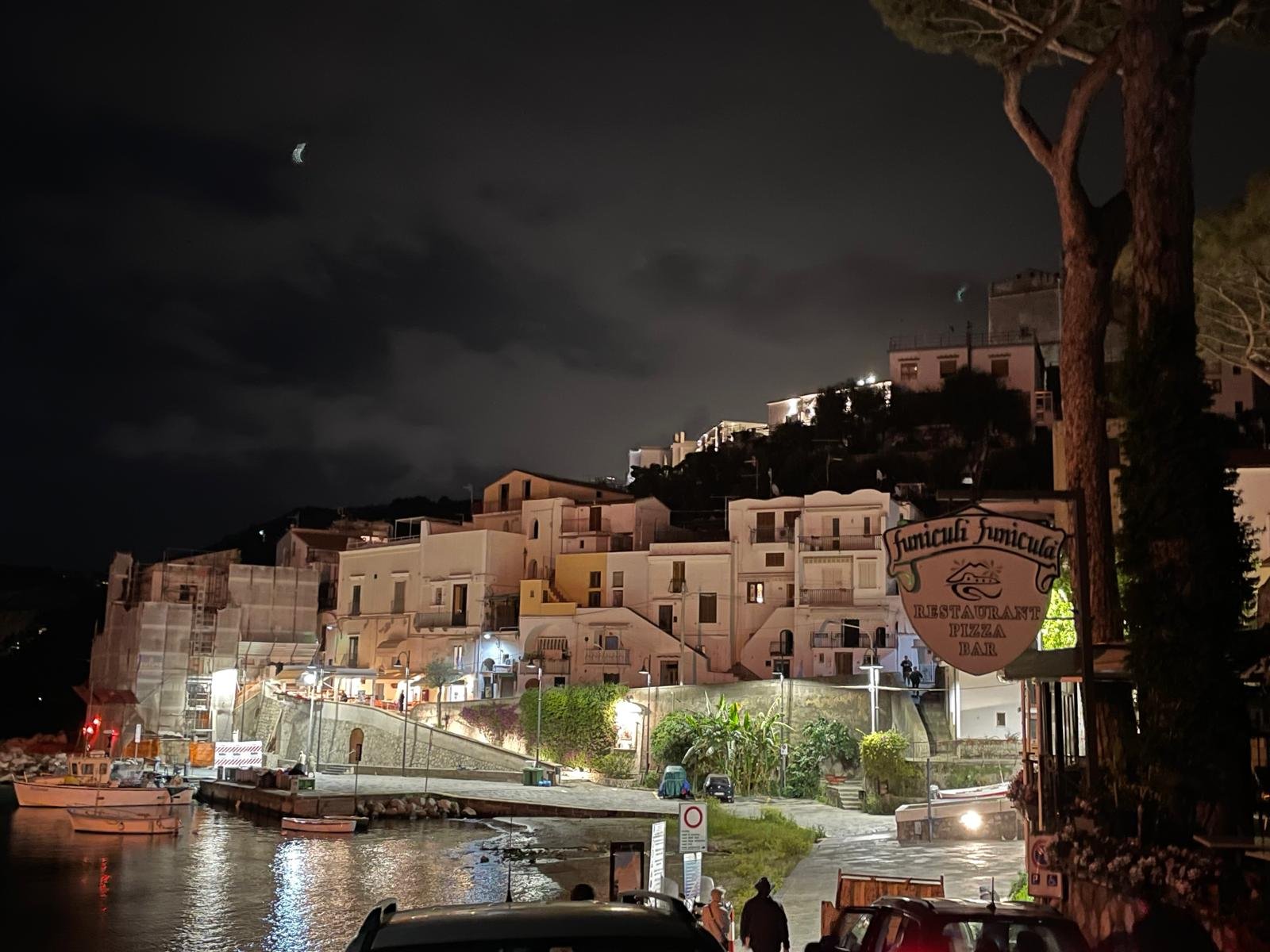
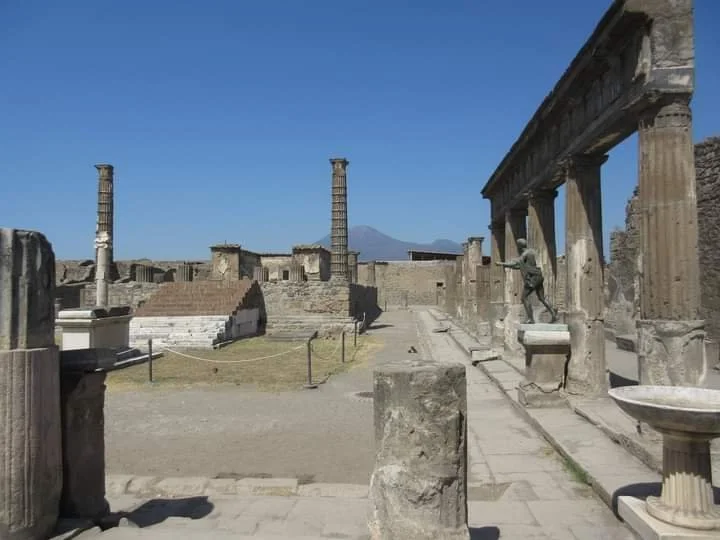
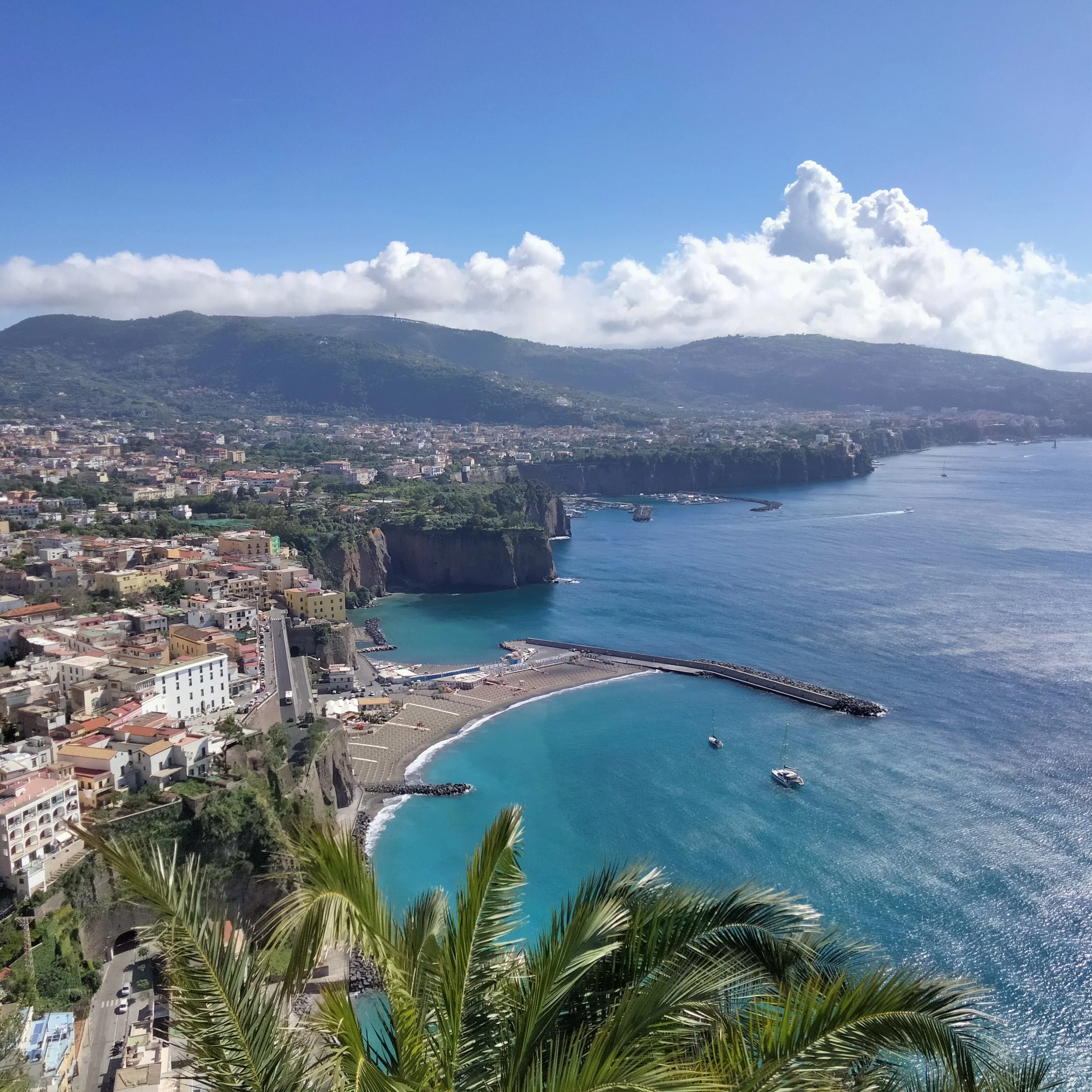
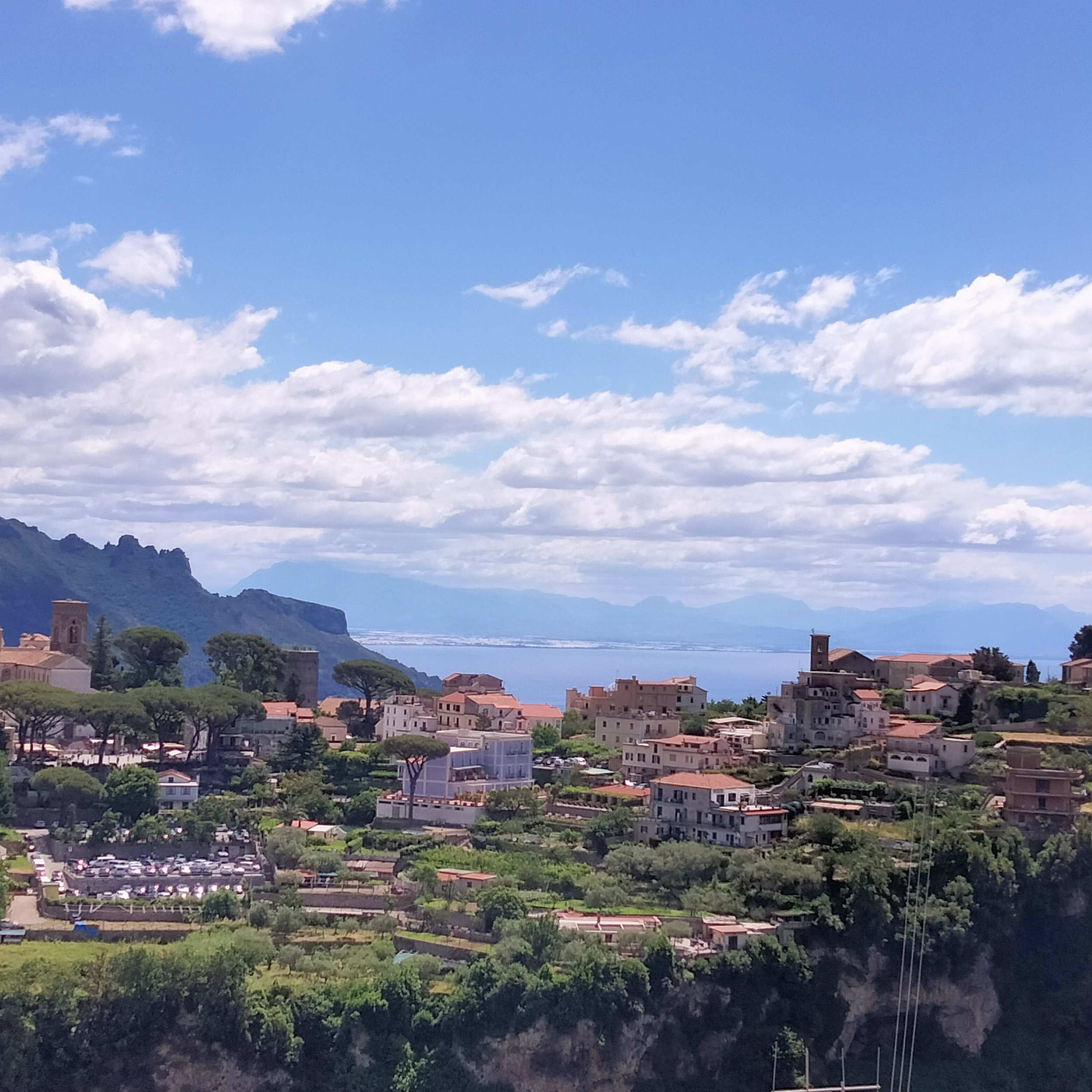
Campania, located in southern Italy, is a region characterised by a profound historical, cultural and natural wealth. The city of Naples (click here for info), the capital, is a coastal metropolis located in the heart of the Gulf of Naples. It is dominated by Mount Vesuvius and has a thousand-year history rooted in the myth of the siren Partenope. The region is also renowned for its spectacular Sorrento peninsula and the Amalfi coasts.
History of the Region
Campania's history spans a thousand years, from ancient colonization to its role as a European cultural centre between the 18th and 19th centuries.
Ancient History: The Magna Graecia and Roman periods are of Greek origin. Between the eighth and seventh centuries BC, the region became the heart of Magna Graecia. The colony of Cuma was established first, followed by the founding of Neapolis ("new city," now Naples) and other centres such as Paestum and Velia.
Campania Felix: The Latin term referring to the fertility of the land described the region under Roman rule. Following the eruption of Vesuvius in 79 AD, the Roman Empire's holiday destinations of Pompeii and Herculaneum were destroyed.
From the Middle Ages to the Renaissance, there were multiple dominations. Following the collapse of the Roman Empire, the region was subject to competition between the Byzantines, the Lombards (Duchy of Benevento), and the Normans. Frederick II, the Swabian ruler, founded the world's first state university in Naples in 1224. (Michael graduated as a chemical engineer at the Federico II university.)
Angevins and Aragonese: During the Angevian period, Naples became the capital of the Kingdom of Naples and a Gothic centre of excellence. The Aragonese subsequently promoted an intense Renaissance cultural flourishing.
The Bourbon Era and the Unification of Italy: Kingdom of the Two Sicilies From 1734, under the Bourbons, Campania experienced a period of significant prestige. The construction of the Royal Palace of Caserta and the Royal Factory of San Leucio elevated Naples to the rank of one of Europe's most advanced capitals. The San Leucio factory still produces today silk flags for the British Crown and other countries.
Annexation: In 1860, following Garibaldi's expedition of the Thousand, the Kingdom of Italy assumed control of the region, which was previously part of the Kingdom of the Two Sicilies.
Territory and Provinces
The region is divided into five provinces: The main cities are Naples, Caserta, Benevento, Avellino, and Salerno. The most renowned tourist cities are Sorrento and Amalfi.
Morphology: The topography of the territory is predominantly hilly (50%) and mountainous (35%), with only 15% of the area being flat, including the Piana del Sele and the Piana Campana.
Volcanoes and Waters: The region is home to active and dormant volcanoes, including Vesuvius and the Campi Flegrei area. The region is served by the Volturno, Sele and Garigliano rivers.
Coasts and Islands: The region is renowned for its stunning coastline, as showcased by the renowned Amalfi Coast and the Sorrento Peninsula. The area also encompasses the islands of Capri, Ischia, and Procida, offering a diverse range of travel options.
The Sea
The Campania Sea, with its approximately 298 miles (480 km) of coastline, is one of the region's key natural and tourist assets. Current data on water quality and environmental awards confirm the excellence of many coastal areas.
Marine Protected Areas
The region is committed to the protection of its marine ecosystem through the establishment of several protected areas:
Punta Campanella: The property is located between the Sorrentine Peninsula and the Amalfi Coast.
Regno di Nettuno: Surrounding the islands of Ischia, Procida, and Vivara.
Santa Maria di Castellabate and Costa degli Infreschi e della Masseta are located in the heart of Cilento.
The Parco Sommerso di Gaiola e Baia is an important underwater archaeological site in Naples and Pozzuoli.
Economy and development
Key sectors: The agri-food sector, including Pasta di Gragnano PGI, Mozzarella di Bufala Campana PDO and San Marzano tomatoes, as well as tourism, are the economic pillars.
Innovation: The region is focusing on Quantum Valley, a world-class quantum computing centre, as well as high-tech sectors such as aerospace and the 'blue economy'.
UNESCO World Heritage Sites: These include the world-famous sites of Pompeii, Herculaneum, the Royal Palace of Caserta and the historic centre of Naples.
Cusine
Campania's cuisine is one of the most renowned in the world. Based on the Mediterranean diet, it draws on centuries-old traditions ranging from street food to elaborate desserts.
Iconic dishes (just to name a few):
Neapolitan pizza: UNESCO World Heritage and Traditional Speciality Guaranteed.
Mozzarella di BufalaCampana: Produced mainly between Caserta and Salerno, it is a global delicacy.
Ragù Napoletano: a slow-cooked sauce made with tomatoes and various cuts of meat.
Parmigiana di melanzane: Fried egg plant layered with tomato, provola or fiordilatte cheese and basil.
Regional Specialties and Street Food:
Spaghetti alla Nerano: Pasta topped with fried zucchini, pepper and Provolone del Monaco cheese.
Frittata di Maccheroni: A dish created to use up leftover pasta, it is now a symbol of picnics in Campania.
Cuoppo: A paper cone filled with mixed fried foods such as zeppoline, arancini, crocché and fried fish. Pasta e patate con provola: A thick, creamy comfort food often enriched with Parmesan rind.
Casatiello and tortano: Rustic savoury cakes typical of the Easter period, rich in cold cuts, cheese and eggs.
Traditional desserts:
Sfogliatella: Available in two varieties: 'riccia' with crispy puff pastry or 'frolla' with soft shortcrust pastry. Both are filled with ricotta cheese and candied fruit.
Babà: A leavened dessert soaked in rum with a distinctive mushroom shape.
Pastiera Napoletana: The traditional Easter dessert, made with shortcrust pastry, cooked wheat, ricotta and orange blossom flavouring.
Struffoli: Small balls of fried dough covered in honey and sugar, which are typical of the Christmas season.
Products of Excellence
Among the certified products are San Marzano DOP tomatoes, Costa d'Amalfi IGP lemons, and Campania IGP olive oil.The region continues to promote new Traditional Agri-Food Products (PAT) to protect local biodiversity.
Wine
Campania's wine industry is one of the oldest and most prestigious in Italy, characterized by exceptional biodiversity thanks to volcanic soils and unique native grape varieties. The sector continues to show strong qualitative and economic growth.
DOCG wines (Controlled and Guaranteed Designation of Origin)
The region boasts four outstanding wines that represent the pinnacle of production:
Taurasi DOCG: Produced in Irpinia from Aglianico grapes, this is a red wine with great structure and aging potential, often referred to as the “Barolo of the South.”
Fiano di Avellino DOCG: An elegant, long-lived white wine, known for its mineral and toasted hazelnut notes.
Greco di Tufo DOCG: A white wine with character, savory and intense, which draws its strength from the sulfur- and mineral-rich soils of the Avellino area.
Aglianico del Taburno DOCG: Produced in the Benevento area, a powerful and tannic red wine that obtained DOCG recognition in 2011.
Other Excellence and Native Grape Varieties
Falanghina: The most widespread white grape variety, found in the Sannio and Campi Flegrei DOCs, appreciated for its freshness and versatility.
Vesuvio Wines: The famous Lacryma Christi, available in white, red, and rosé versions, comes from the volcanic slopes of Vesuvius.
Coastal and Island Wines: The Amalfi Coast (with the sub-area of Furore), the Sorrento Peninsula (famous for its sparkling red Gragnano) and the island of Ischia (Biancolella and Forastera) offer what is known as “heroic viticulture” on terraces overlooking the sea.
Caserta: Known for Falerno del Massico,heir to the most famous wine of ancient Rome.
If Naples, Sorrento, Capri, Ischia and the amazing Amalfi Coast is in your plans, contact us. (click here) to write message.