
Visit Marche, Abruzzo & Molise - Central -Southern Regions
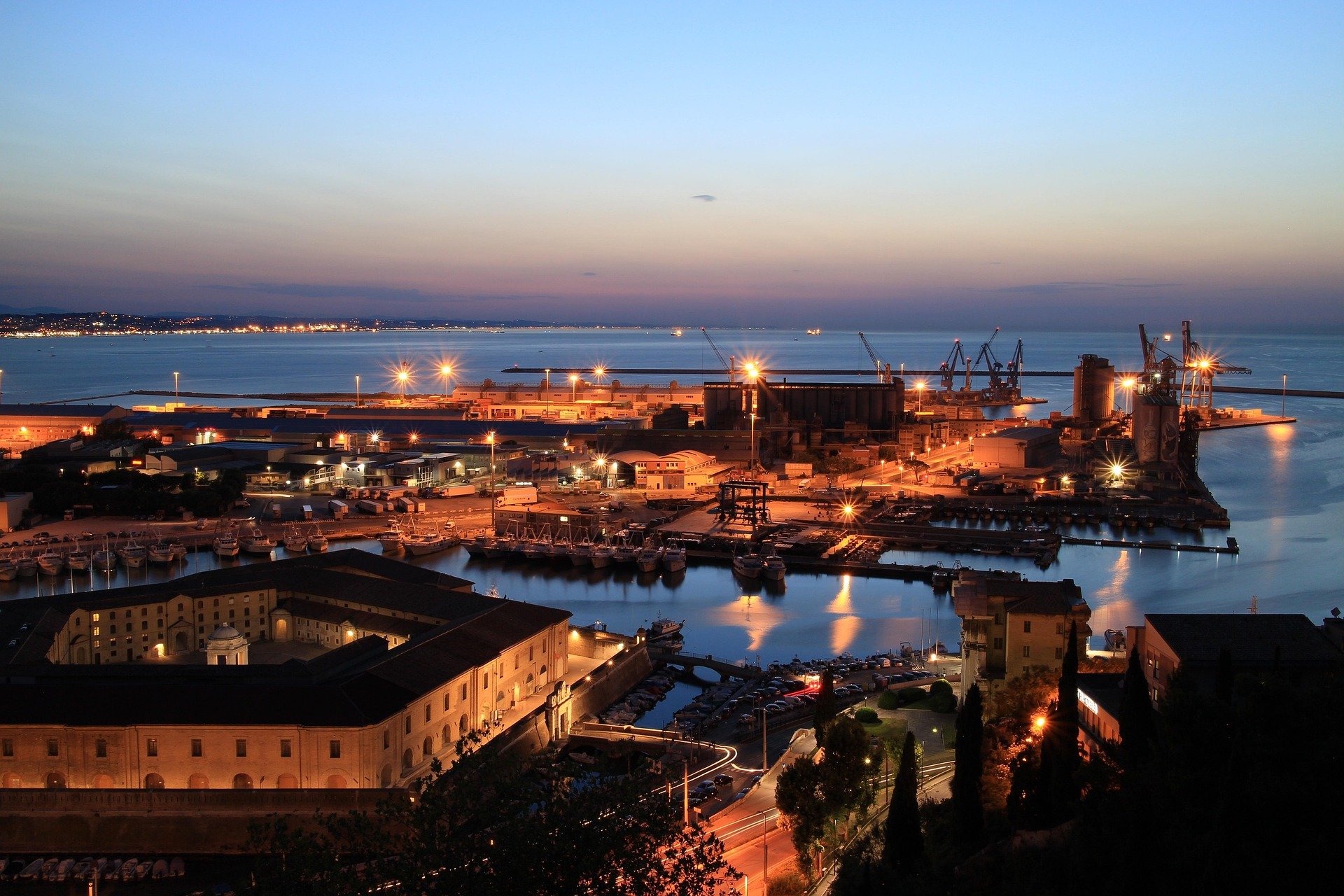
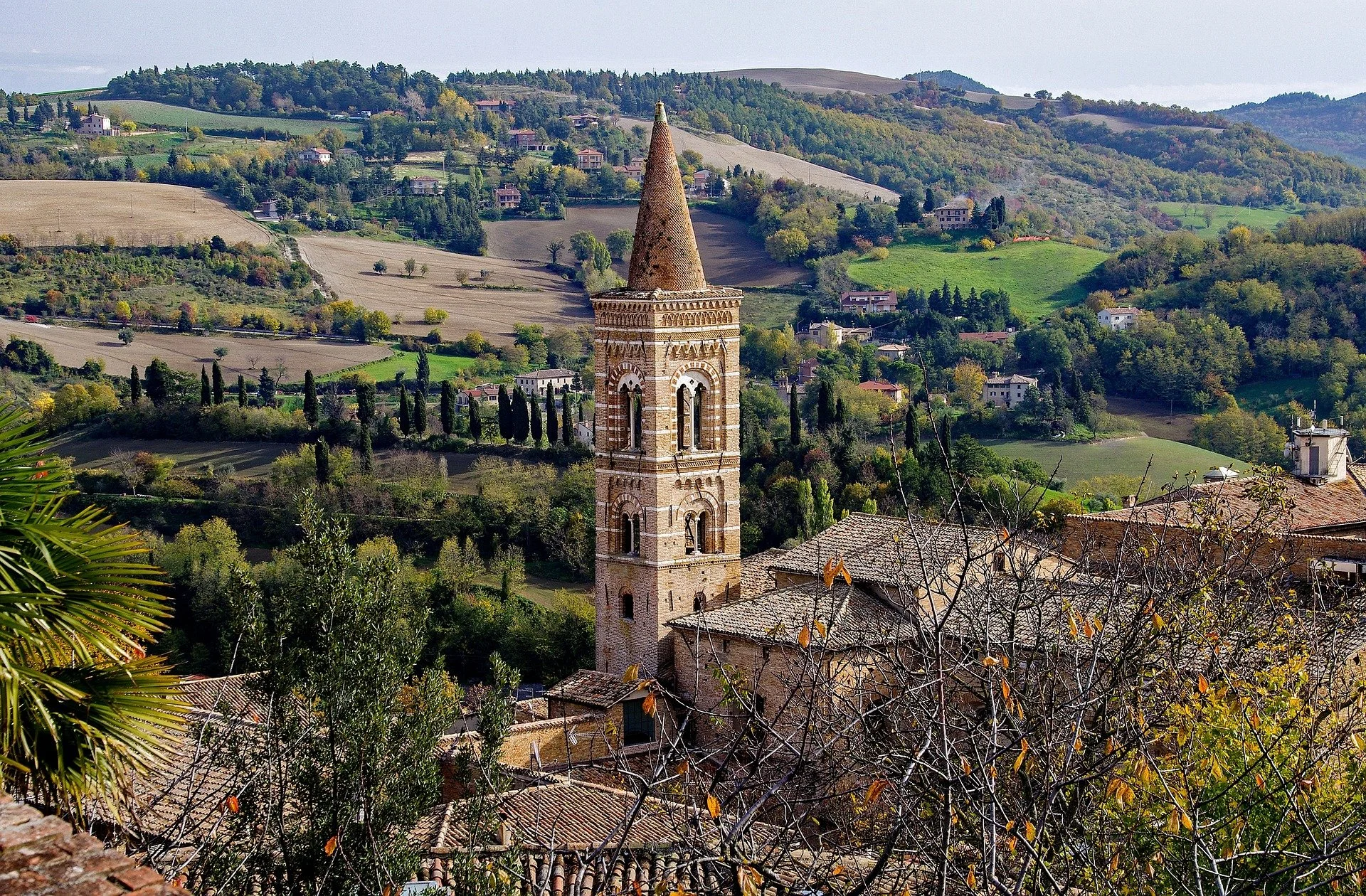
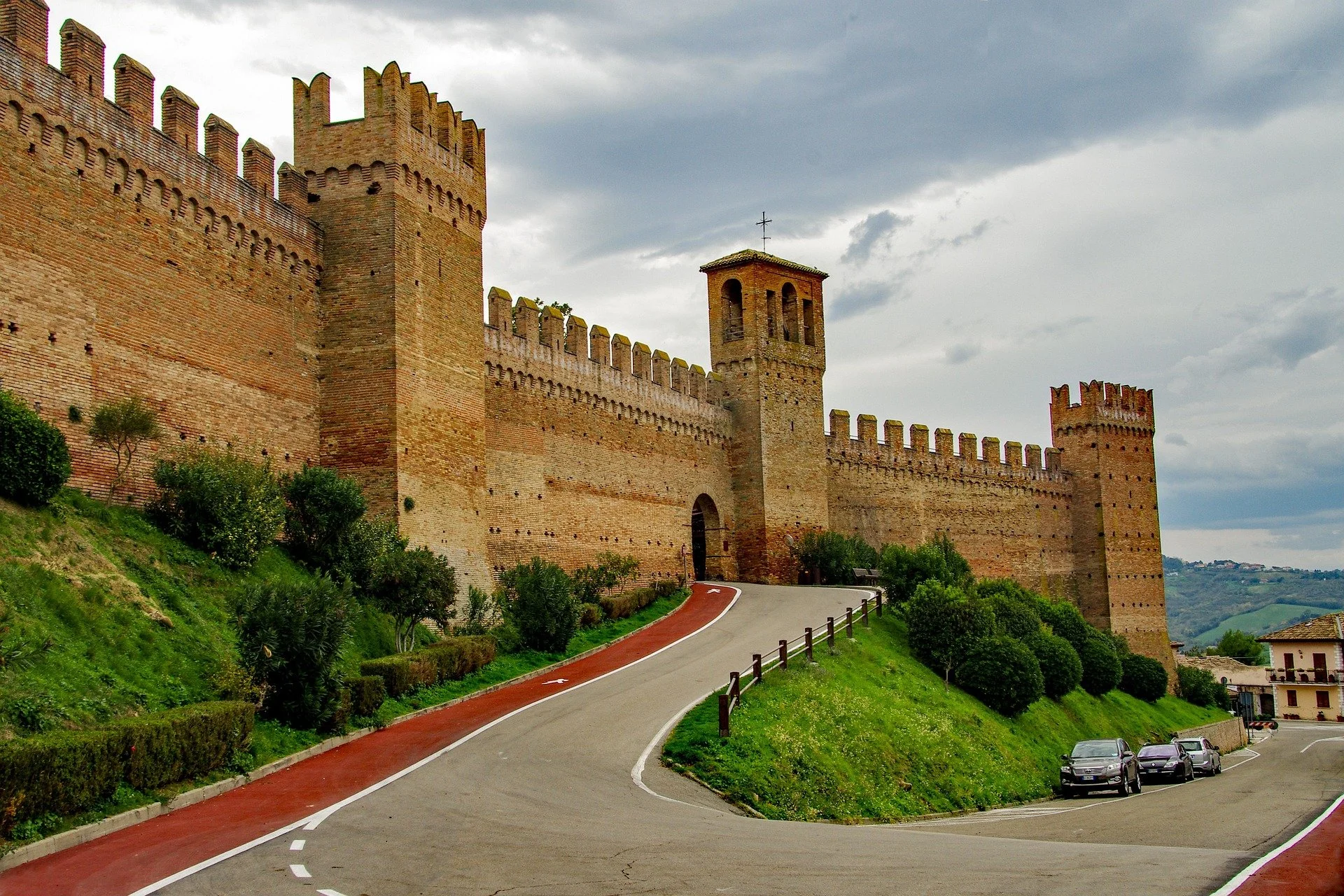
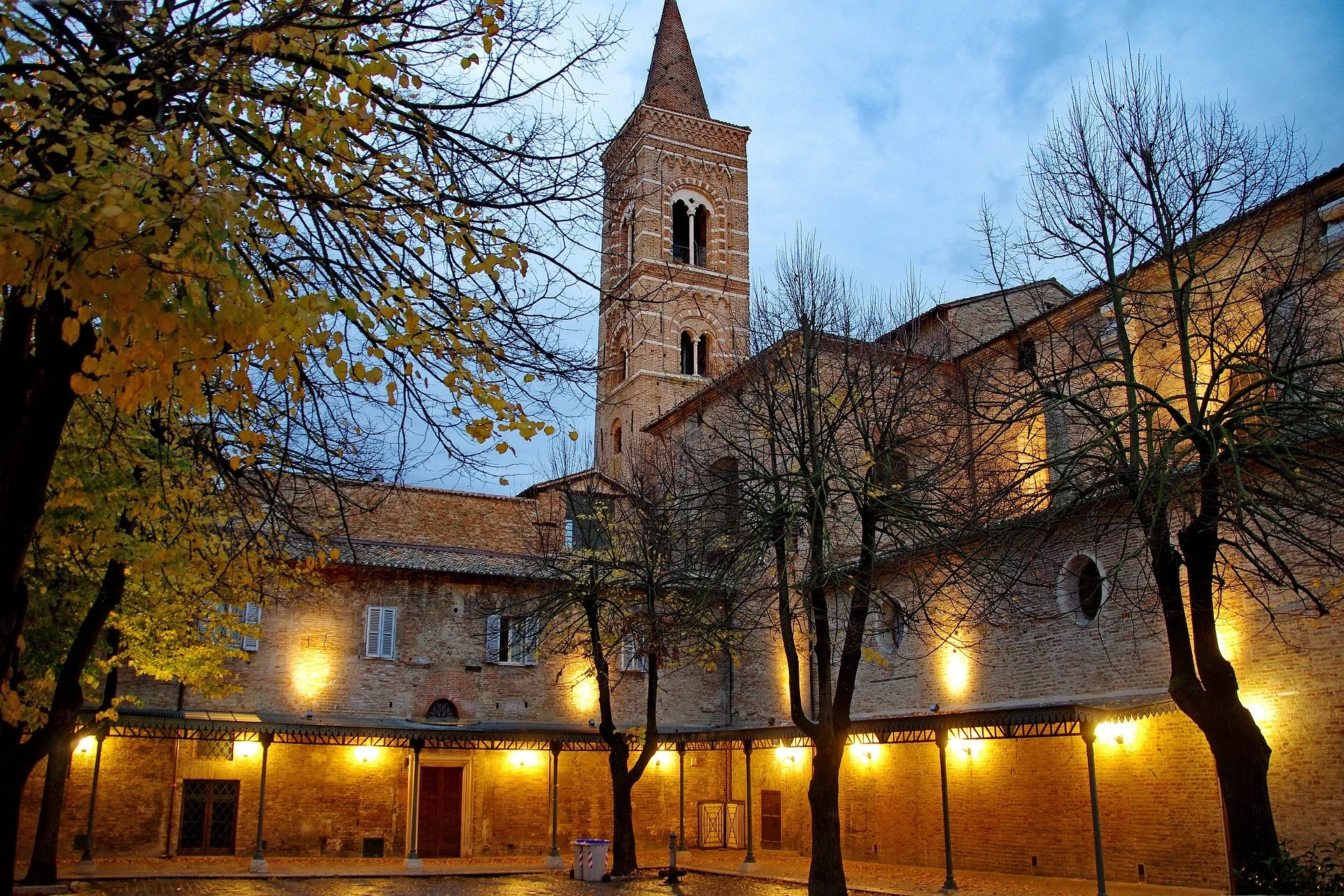
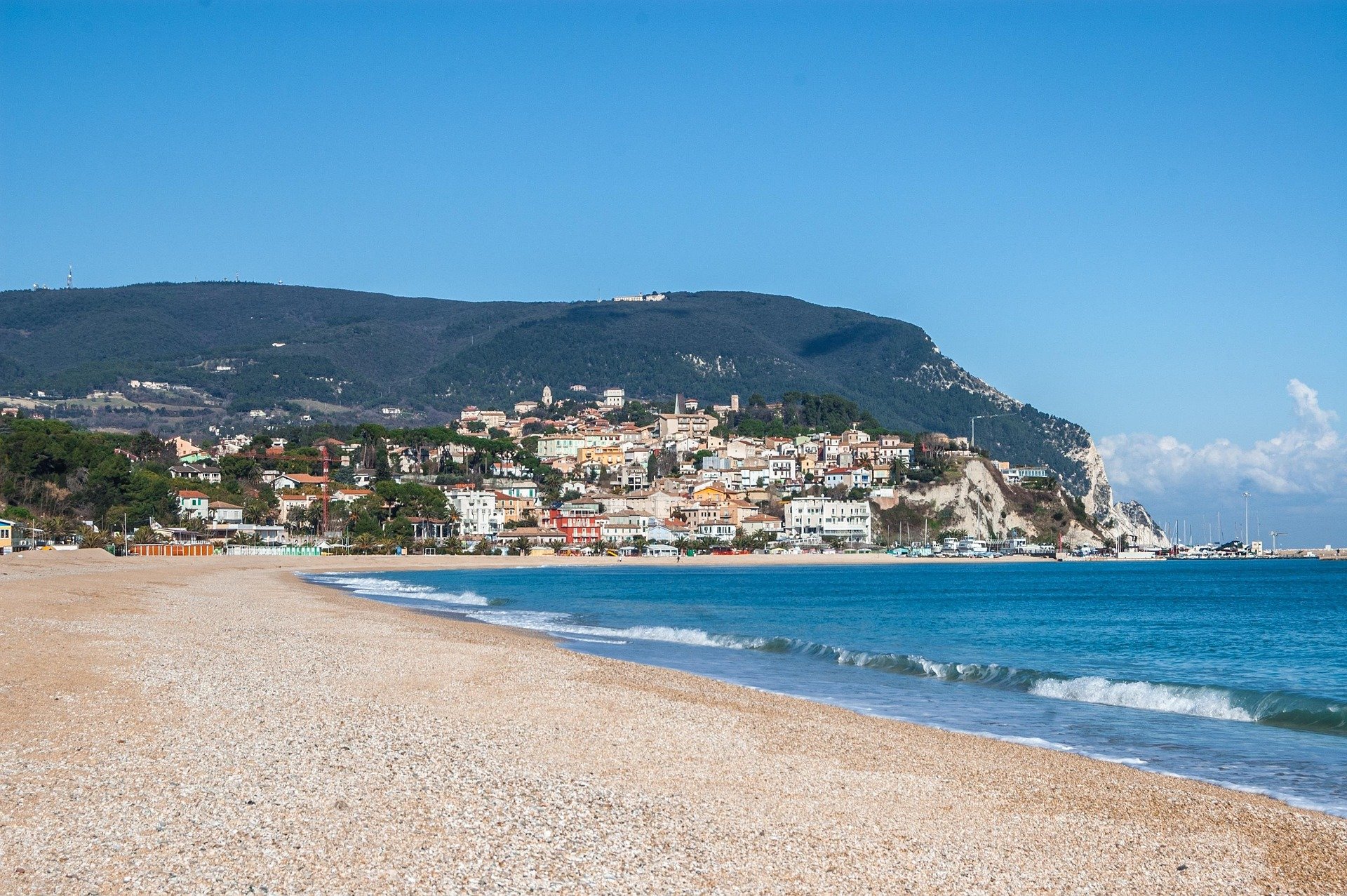
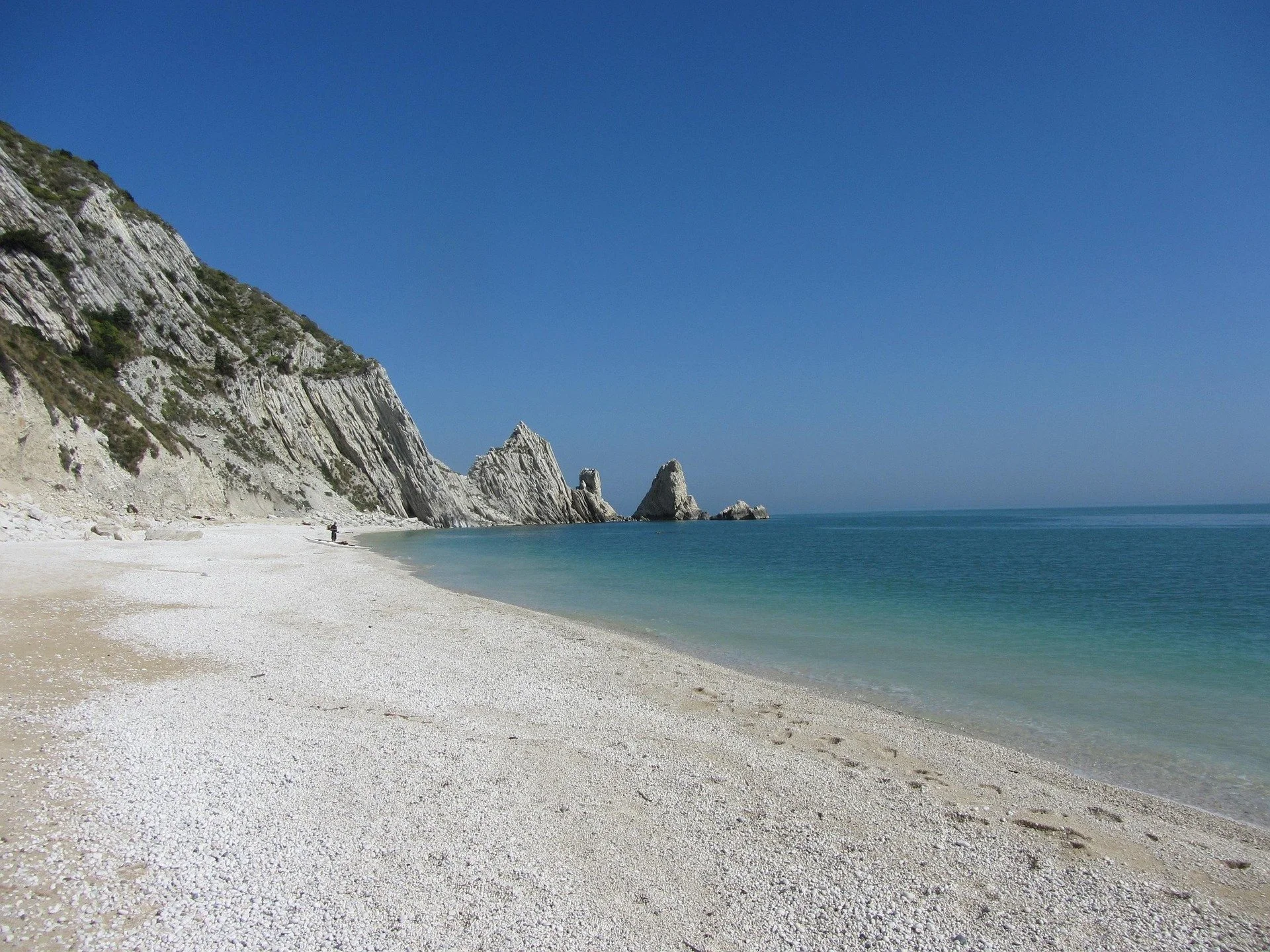
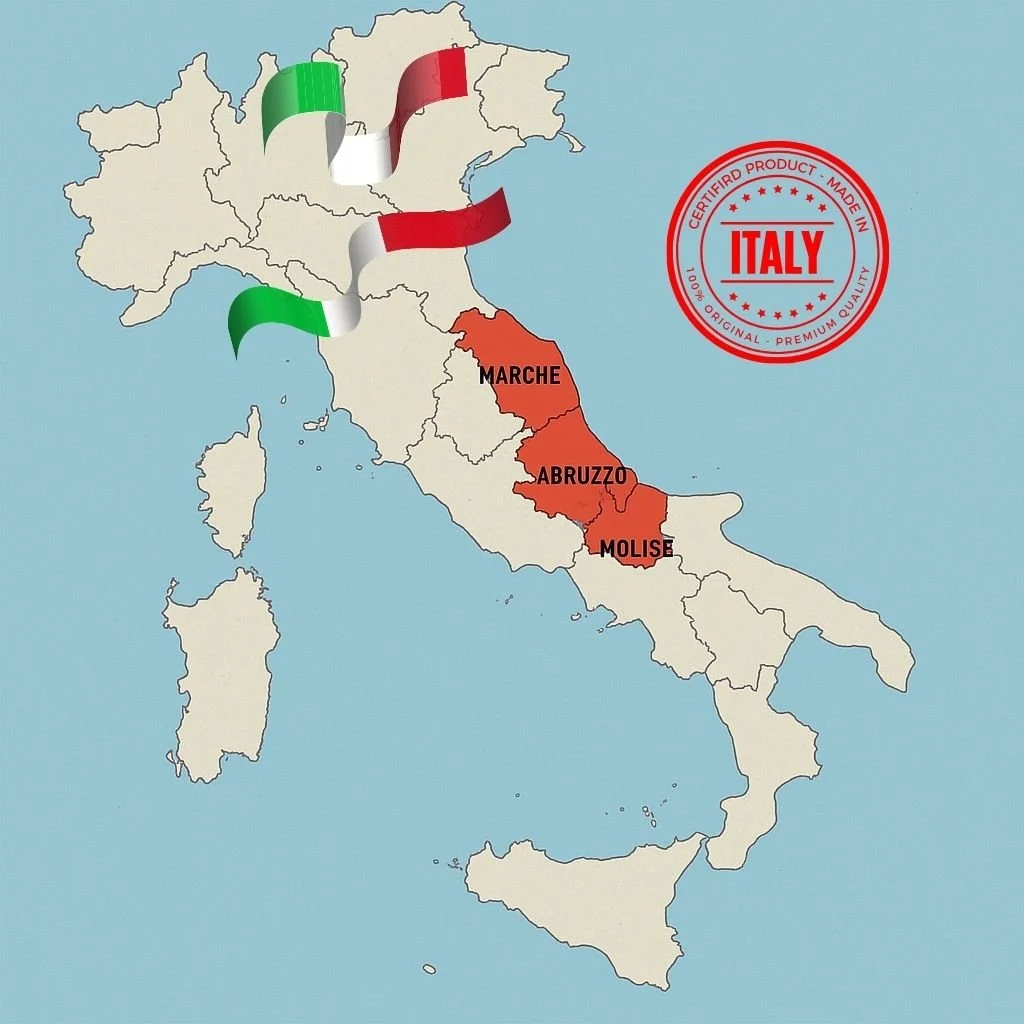
The Marche region is distinguished by a variety of unique aspects ranging from the varied landscape rich in history and culture to typical gastronomy and manufacturing traditions. This region is the only one in Italy to have a plural name, resulting from the unification of many “marche” or border territories.
Landscape and Territory: The Marche is one of the hilliest regions in Italy, with 69 percent of its territory falling into this category, and a remaining 31 percent mountainous (Umbria-Marche Apennines). They offer a combination of sea and mountains, with a narrow coastal strip and an interior rich in valleys.
Cultural and Historical Heritage: The Marche region boasts an exceptional wealth of cultural heritage: squares, monuments, fortresses, castles, churches, abbeys, sanctuaries and historic theatres, many of them restored and in operation. They are home to RaffaelloSanzio (Urbino) and the famous castle of Paolo and Francesca (Gradara).
The region is also home to an ancient university, that of Urbino, founded in the 16th century.
Cusine: Marche cuisine is rustic and flavorful, and is deeply rooted in local products. Characterized by genuine ingredients and unique flavours, it offers a wide variety of dishes ranging from meat to fish. Specialties include olive all'ascolana, ciauscolo, rabbit porchetta, vincisgrassi, brodetto alla marchigiana, and cheeses such as formaggio di fossa. Typical desserts include frustingo and ciambelline al mosto.
Manufacturing Traditions: Le Marche is known for producing fine footwear as well as clothing and accessories.
Towns and Villages: The region is home to several villages that are considered to be among the most beautiful in Italy, as well as Ripatransone, which has the narrowest alleyway in the country. There are also sites of great natural interest, such as the Frasassi Caves and the Lame Rosse.
Typical Products: In addition to the previously mentioned agricultural products, Marche is known for its truffles (both white and black), olive oil, honey, mushrooms, and organic produce. There are several Slow Food Specialities, including the green anise of Castignano, the artichoke of Montelupone, the cicerchia of Serra de' Conti, an ancient legume and the bean of Laverino.
** Slow food is an Italian organization founded in 1986. Slow Food is committed to promoting good healthy, clean, and fair food, for all. This commitment is part of the organization's quest for prosperity and happiness for present and future humanity.
Le Marche boasts a rich cuisine with dishes that reflect the area's diverse landscape, from the mountains to the sea. Some of the most well-known dishes include Vincisgrassi, a lasagna-like pasta dish; brodetto, a hearty fish soup; and olive all'ascolana, stuffed and fried green olives. The region is also known for its cured meats, such as ciauscolo, a spreadable salami, and cheeses, such as casciotta d'urbino, a protected designation of origin (DOP) cheese.
Pasta & Soup:
Vincisgrassi: Baked lasagna with meat sauce, béchamel sauce and parmesan cheese.
Passatelli: Fresh pasta made with breadcrumbs, Parmesan cheese, eggs and nutmeg, served in broth.
Brodetto: Fish soup with different varieties of fish, tomato and herbs, typical of the Marche coast.
Maccheroncini di Campofilone: Very thin fresh pasta, similar to capellini, served with meat sauce or ragù.
Ciavarro: Soup with different types of grains and legumes, typical of Ripatransone.
Main Dishes:
Olive all'Ascolana: Pitted green olives, stuffed with meat, fried and served as an appetizer or main course.
Rabbit in Porchetta: Rabbit (boneless) and stuffed with ground meat, liver and bacon, cooked in a pan or baked.
Porchetta Pork: Roasted pork, flavored with wild fennel and other herbs.
Fritto misto all'ascolana: Variety of fried meat and vegetables, including lamb cutlets, zucchini, artichokes and olives all'ascolana
Cured meat & Cheese:
Ciauscolo: Spreadable salami, typical of the Camerino area.
Fabriano Salami: Salami made from pork and flavored with spices.
Casciotta d'Urbino: DOP cheese, made from sheep's and cow's milk.
Pecorino Marchigiano: Cheese produced from sheep's milk, with different varieties depending on the area.
Formaggio di Fossa: Cheese aged in tufa pits, typical of the Talamello area
Desserts:
Crescia sfogliata: Focaccia typical of the Urbino area, with dough made from flour, eggs, lard and salt.
Bostrengo or Frustingo: Sweet made with figs, honey, dried fruit and citrus peel.
Cicerchiata: Small fried sweets, made with flour, eggs and honey, typical of the Carnival period.
Calcioni: Sweet ravioli filled with cheese, eggs, sugar and lemon.
Cavallucci: Typical cookies from the Marche region, made with flour, honey and dried fruit, often eaten during the winter period.
Wines
Verdicchio:White wine, among the most famous in the Marche region, produced mainly in the Jesi and Matelica areas.
Rosso Piceno: Red wine made from Sangiovese and Montepulciano grapes.
Rosso Conero: Red wine made from Montepulciano grapes, produced in the area sometimes with the addition of up to 15 % Sangiovese.
Italian linguistic curiosity:
The capital of the Marche region is the city of Ancona. In Italian when expressing a motion toward a place, i.e.: I’m going to Milano, or I’m going to Naples the rule is to say, "Vado a Milano or vado a Napoli." However, since Ancona begins with a vowel, it is said as: “Vado in Ancona”.
TheAbruzzo and Moliseregions, although distinct regions, share some peculiarities due to their history and geographic proximity, including the wealth of biodiversity and unique natural environments, especially within the Abruzzo, Lazio and Molise National Park, but also the common history that saw them once part of a single administrative entity
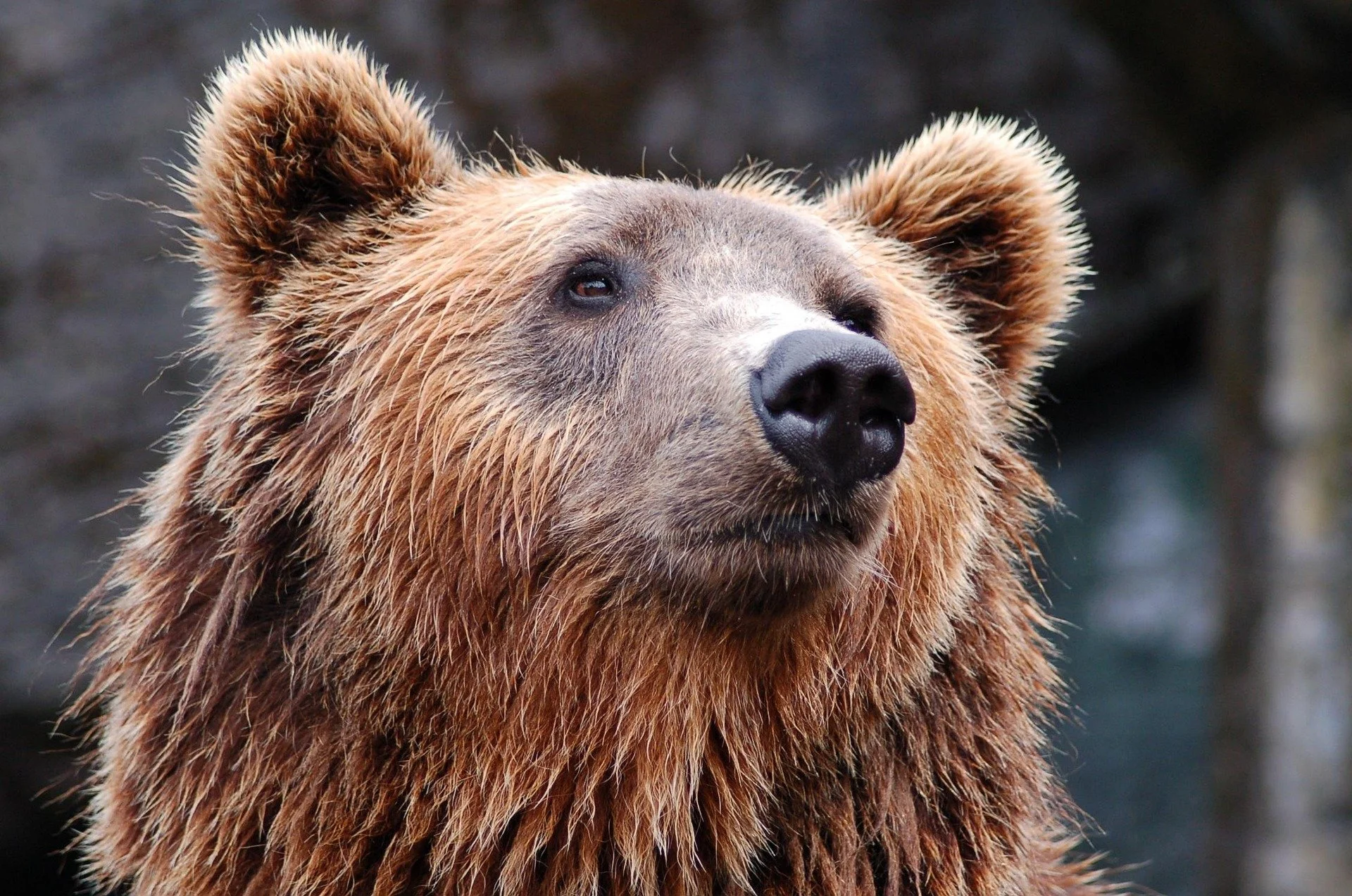
Nature and Biodiversity: Both regions are characterized by vast mountainous and hilly areas, rich in forests and woodlands, which are home to exceptional fauna and flora, often unique in Europe. The Abruzzo, Lazio, and Molise National Park is an emblematic example, with species such as the Marsican bear, Abruzzo chamois, wolf, and golden eagle. Molise also boasts considerable biodiversity, with deciduous and evergreen forests, and the presence of several species of trees and medicinal plants.
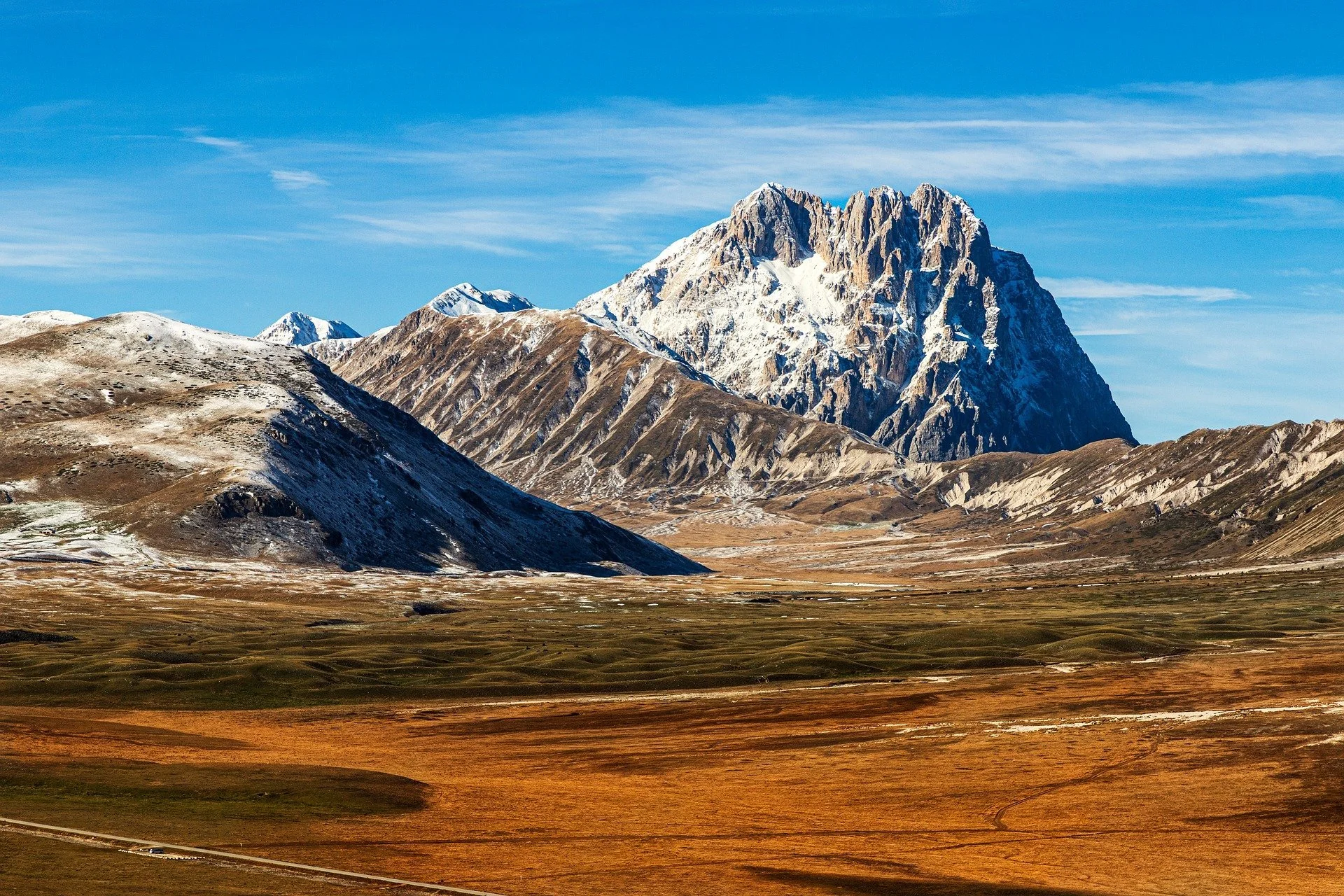
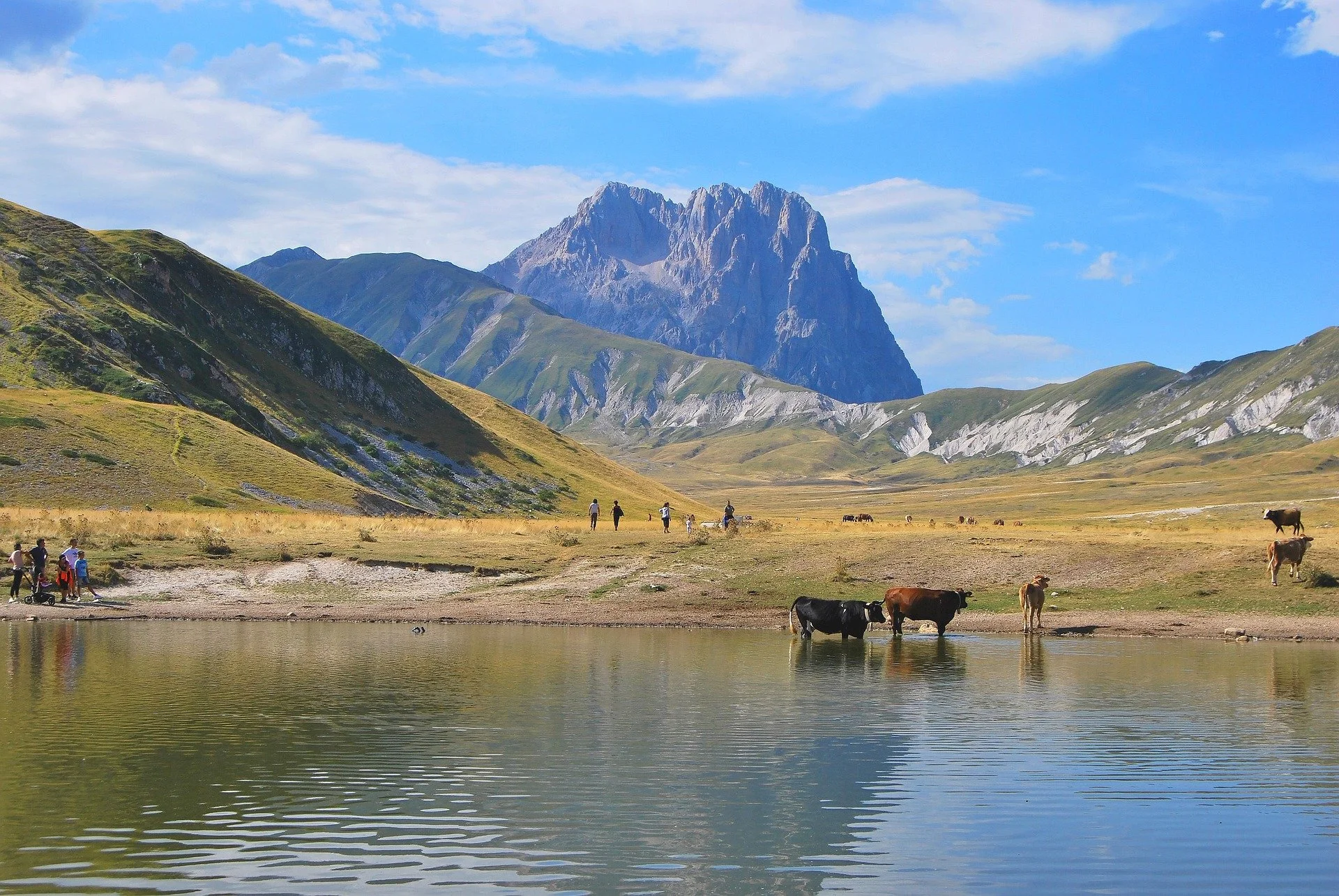
Mountains and Landscapes: Abruzzo is famous for the Gran Sasso massif, with locations such as Campo Imperatore and Corno Piccolo, while Molise offers the Matese Mountains. These mountainous areas are ideal for nature tourism, with hiking trails, caves and springs.
History and Culture: Until 1963, Abruzzo and Molise constituted a single region, Abruzzo, and shared a unified history dating back to prehistoric times, with various dominations and common historical passages. Brigandage was a widespread phenomenon in both mountainous areas.
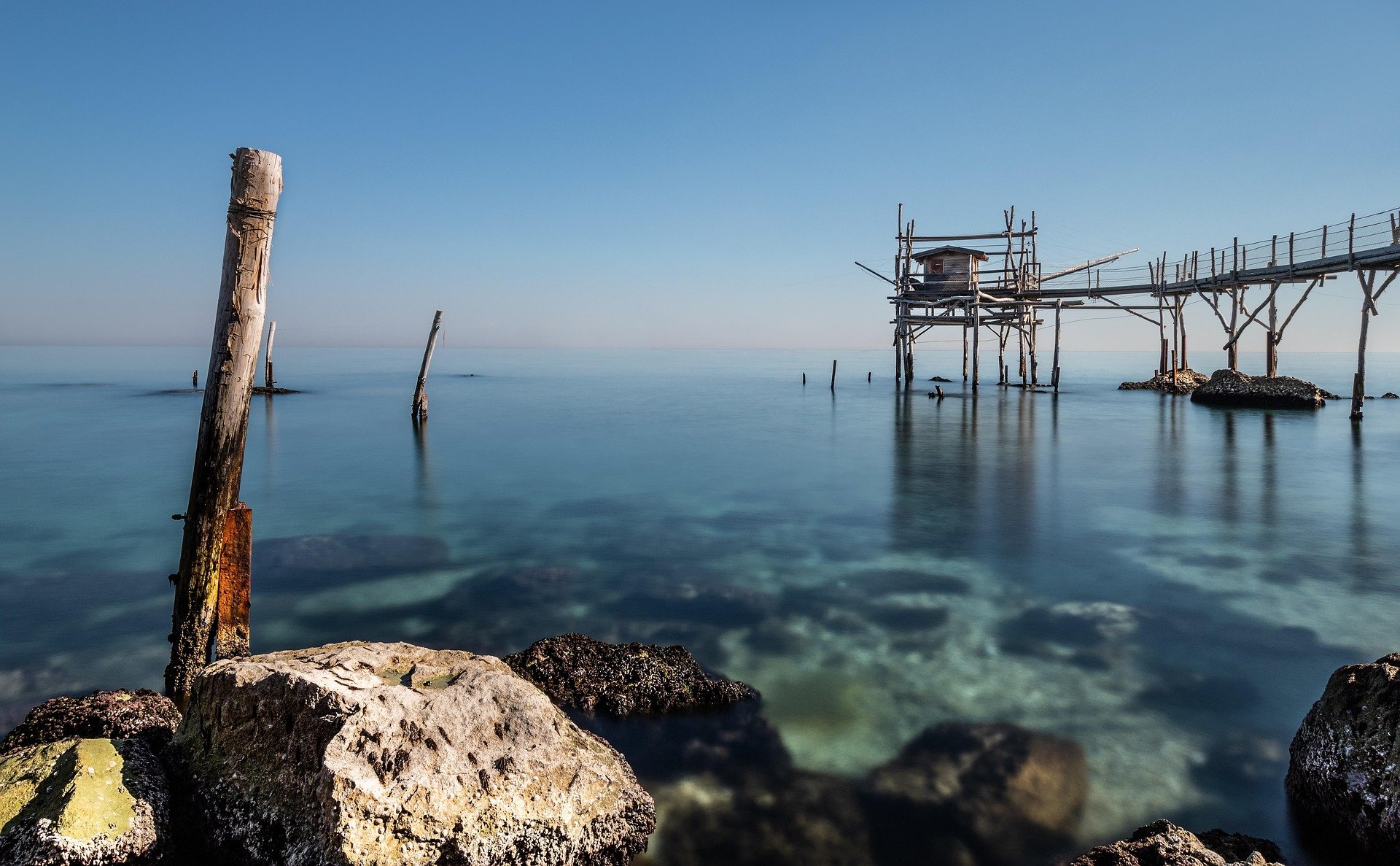
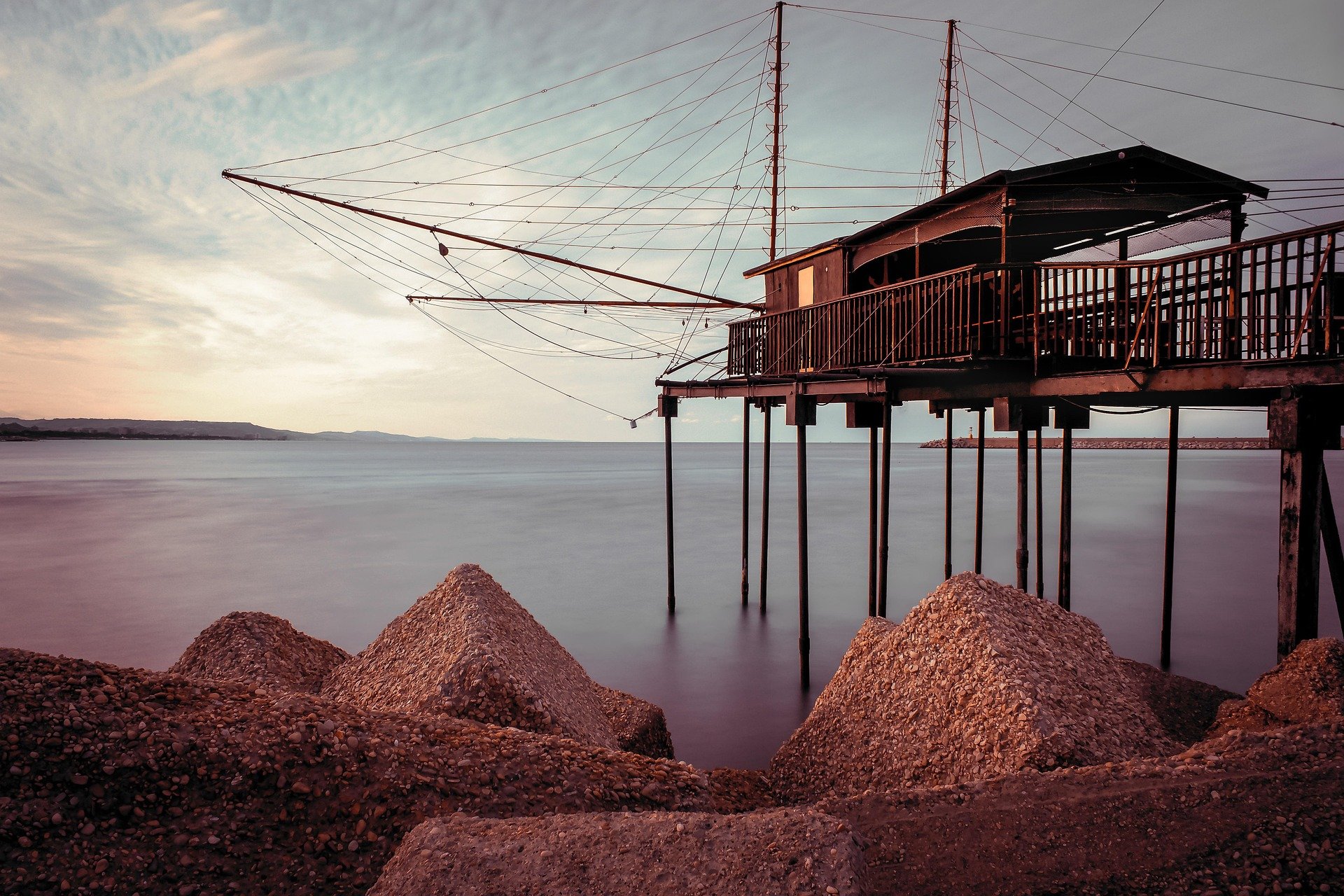
Rivers and Coasts: Abruzzo is washed by the Adriatic Sea and features the striking Trabocchi Coast, with ancient fishing machines on stilts. Molise, also washed by the Adriatic Sea, is rich in rivers such as the Biferno, Trigno, and Fortore, and also has springs of considerable importance.
Archaeological and Artistic Heritage: Although more widespread in Molise, there are important archaeological sites such as Pietrabbondante and Sepino Altilia, as well as a rich artistic and religious heritage.
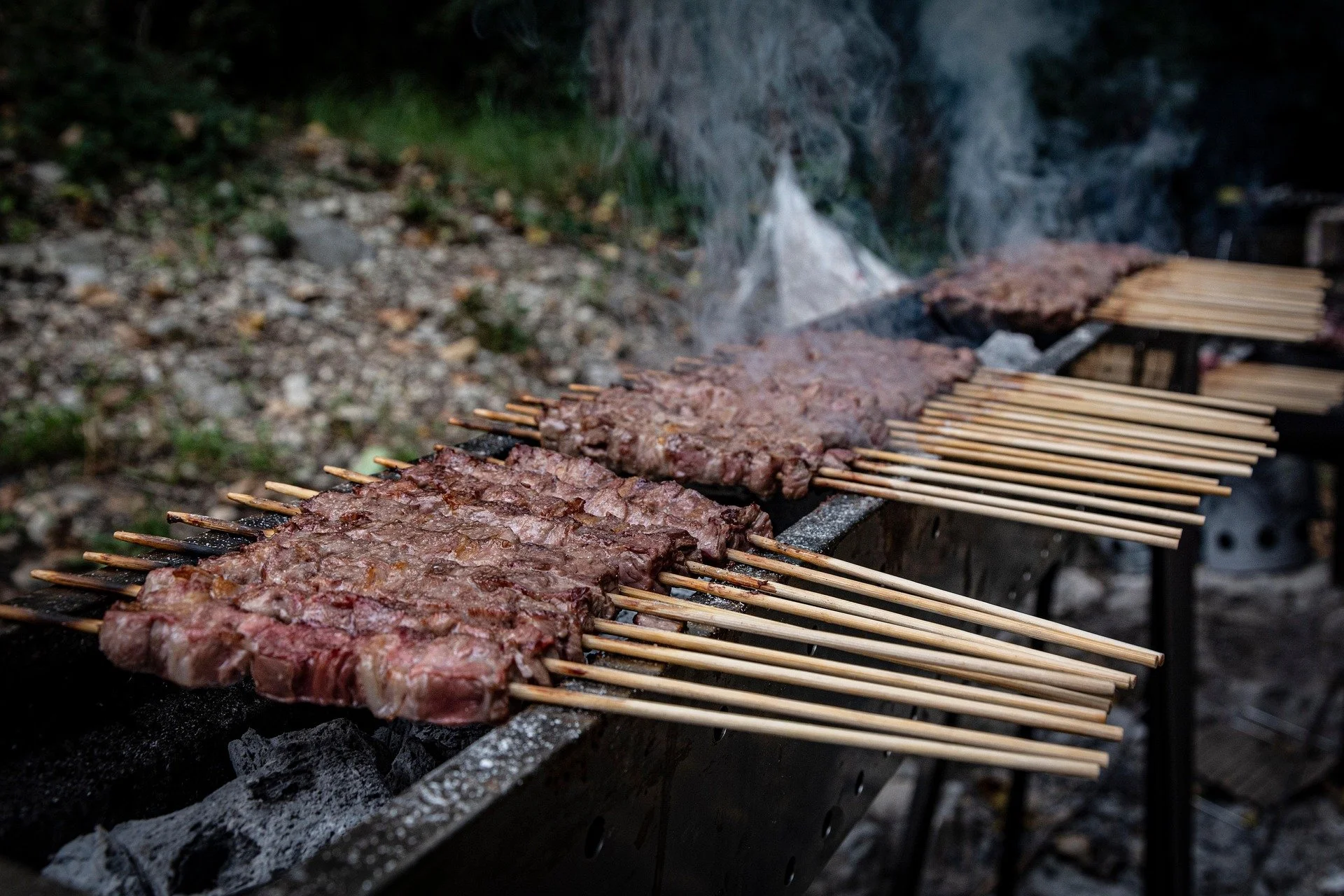
Cuisine: Abruzzo cuisine offers a variety of typical dishes, rich in traditional and authentic flavors. Among the most famous are arrosticini, skewers of grilled sheep meat, and pasta alla chitarra, a fresh pasta format typical of the region. There is no shortage of first courses such as scrippelle 'mbusse, crepes in broth, and Virtù teramane, a soup of legumes and vegetables. Among the main courses, in addition to arrosticini, we find brodetto di pesce, a fish soup from the Adriatic Sea, and pecora alla callara, a traditional dish linked to transhumance. As for desserts, the ferratelle, crispy waffles, and bocconotti, sweets filled with jam or cream, are not to be missed.
Pasta & Soup:
Spaghetti alla chitarra: Fresh homemade pasta, cut with a tool called "chitarra" that gives it a square shape.
Scrippelle 'mbusse: thin crepes, rolled and served in broth, often enriched with Parmesan cheese.
Virtù teramane: A thick soup rich in ingredients such as legumes, vegetables, fresh pasta and meat, which varies according to the season.
Maccheroni alla chitarra al ragù di castrato: A classic of Abruzzo cuisine, with a ragout of castrato (male lamb) that gives the pasta an intense flavor.
Sagne e ceci: A traditional soup made with fresh pasta and chickpeas, often enriched with other ingredients such as pancetta or guanciale (pork cheek)
Brodetto di pesce: Adriatic fish soup, with different variations depending on the area, often with tomato or white.
Main Dishes:
Arrosticini: Skewers of sheep meat, cut into cubes and threaded into skewers, barbecued.
Pecora alla callara: Dish typical of transhumance, made from sheep meat cooked in a copper pot, flavored with herbs and spices.
Canzanese-style turkey: Turkey cooked in a stew with salt, pepper, bay leaf and garlic.
Baccalà alla ghiotta: Codfish prepared with potatoes, cherry tomatoes, parsley, garlic and chili pepper.
Agnello cacio e ova: Lamb cooked with eggs and cheese, a simple but flavorful dish.
Desserts:
Ferratelle: Crispy waffles, also called pizzelle, neole or cancellate, depending on the area.
Bocconotti: Shortbread sweets filled with jam or cream, often covered in chocolate.
Parrozzo: Sweet made with almonds, sugar, eggs and flour, covered in dark chocolate.
Mostaccioli: Rhombus-shaped cookies, soft and covered with chocolate icing, made with cooked must.
Sweet pizza: Cake composed of layers of sponge cake, custard and chocolate, often prepared for Easter.
This region offers wonderful hiking and cycling trails. If you’d like to find out more, please get in touch. (click here) to wrtie a message.