
Visit Veneto Region - North Eastern Italy
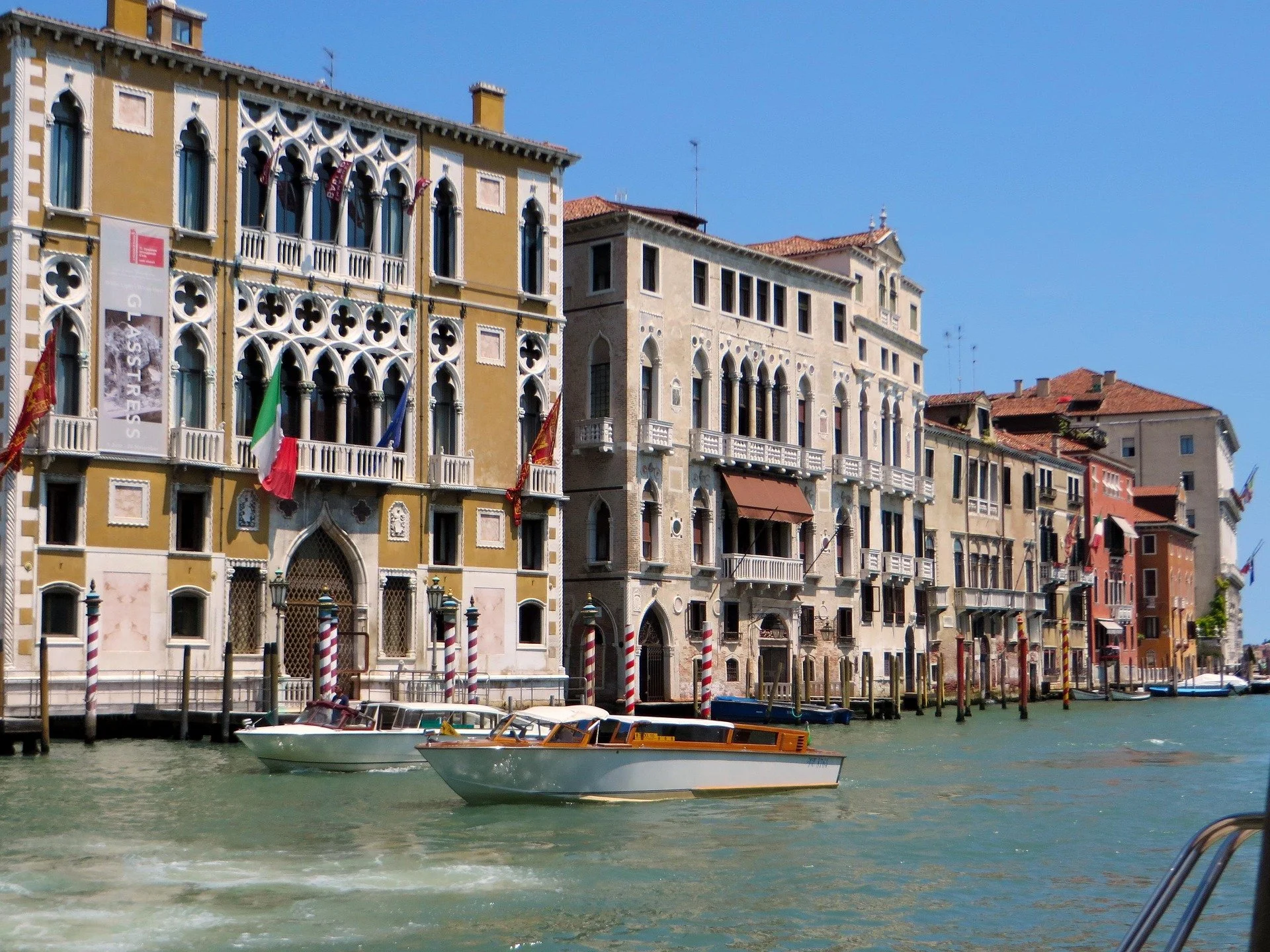

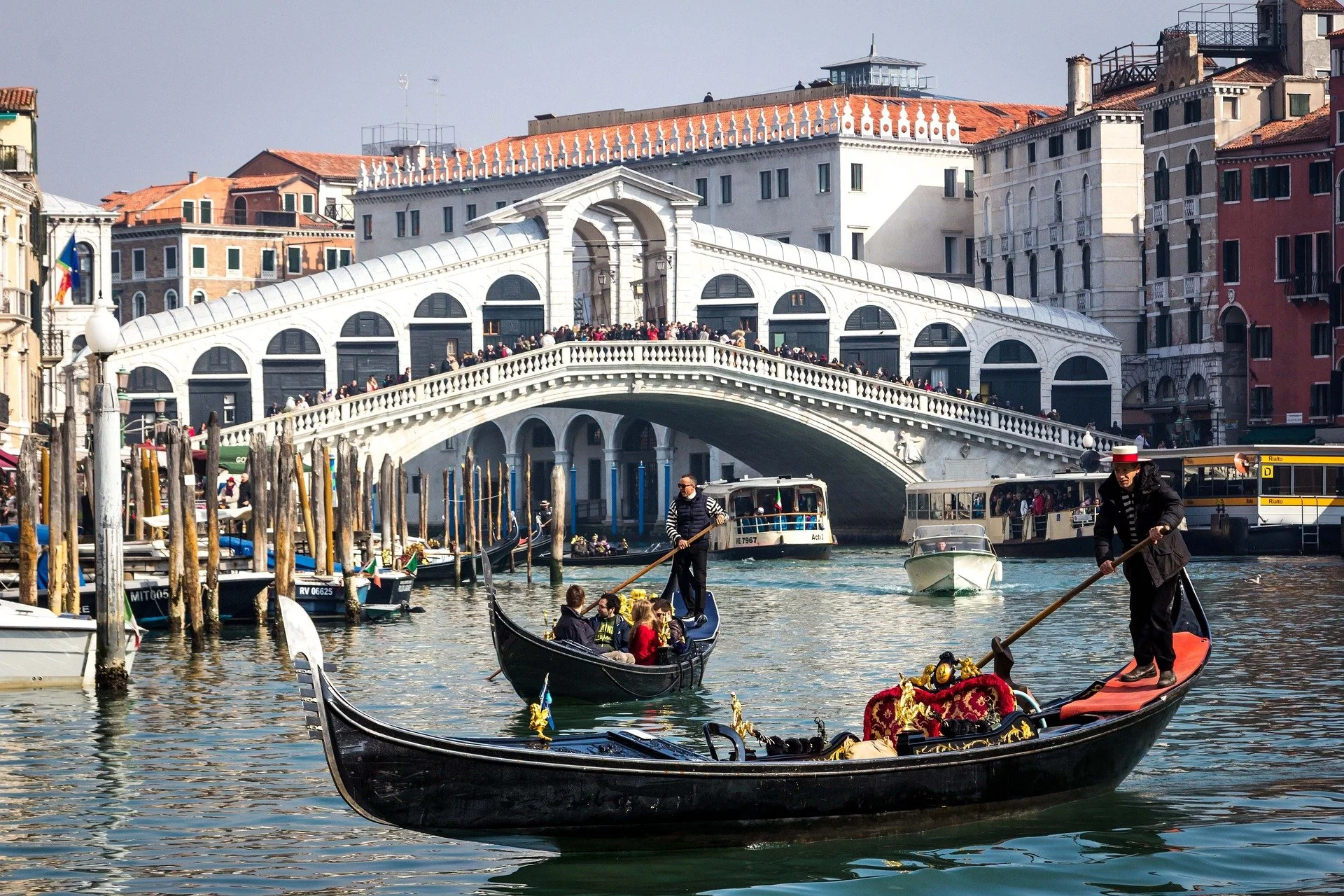
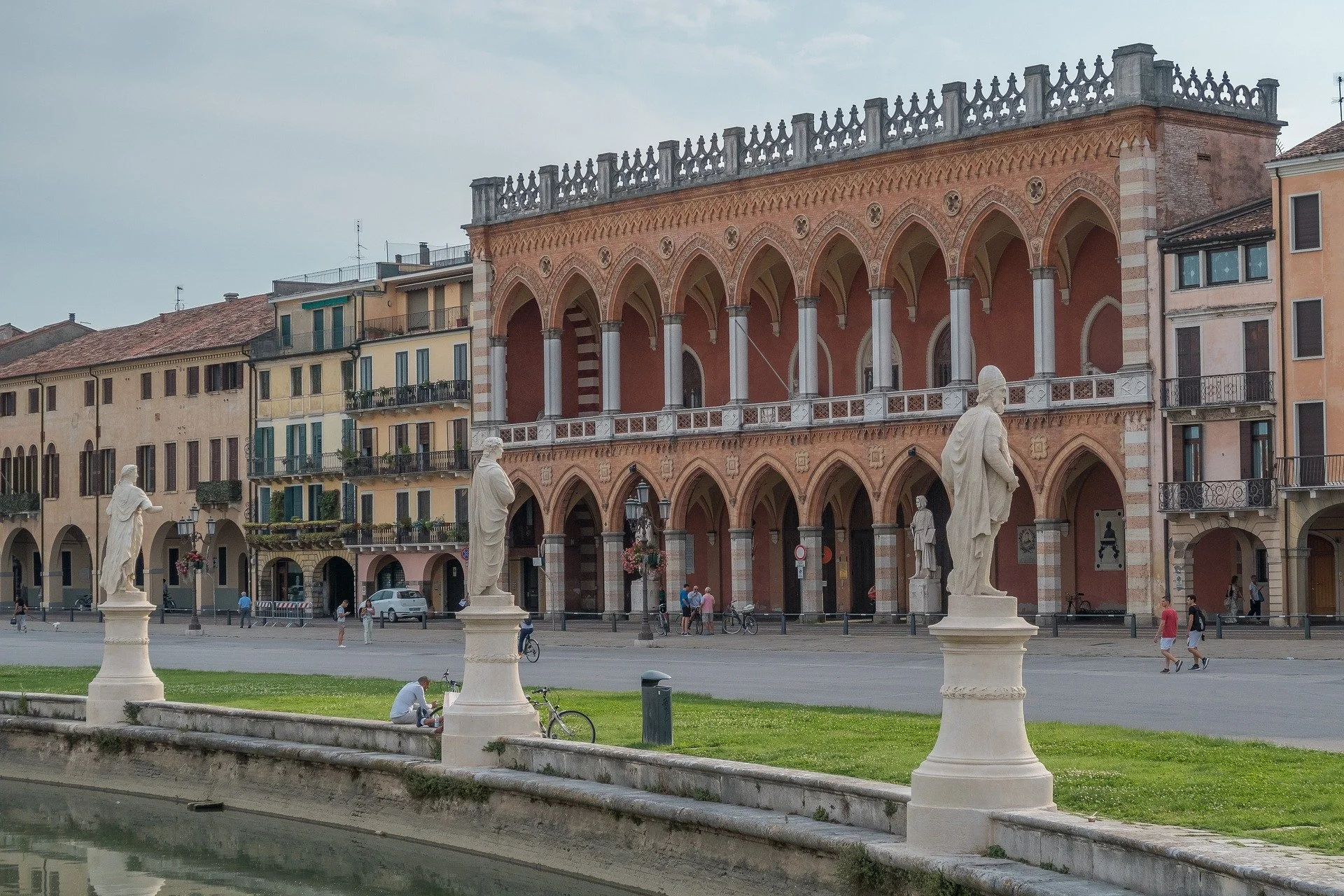
The Veneto region, located in north-eastern Italy, is famous for its capital city, Venice, (click here for info) and its cultural and historical richness. It is one of Italy's most popular tourist destinations, offering a wide variety of attractions, including mountains, beaches, cities of art and rural areas.
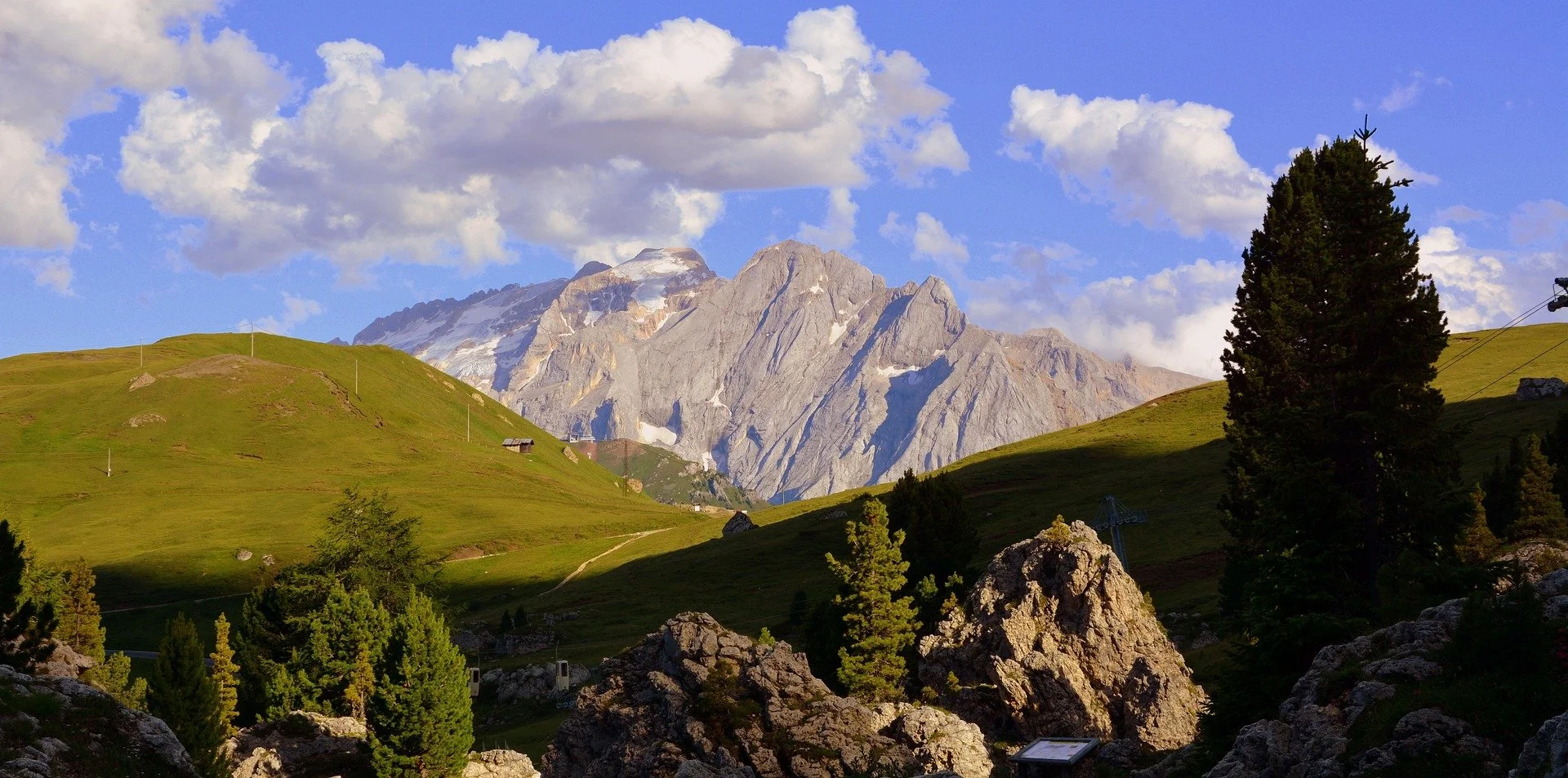
Geography: The region has diverse geography. To the north are the Carnic Alps and the Dolomites, while the Veneto plain stretches towards the Adriatic Sea and includes hills such as the Euganean Hills.
Culture and history: The region has a thousand-year history linked to the Republic of Venice, one of the most powerful maritime republics. Its cultural influence can still be seen in the area today.
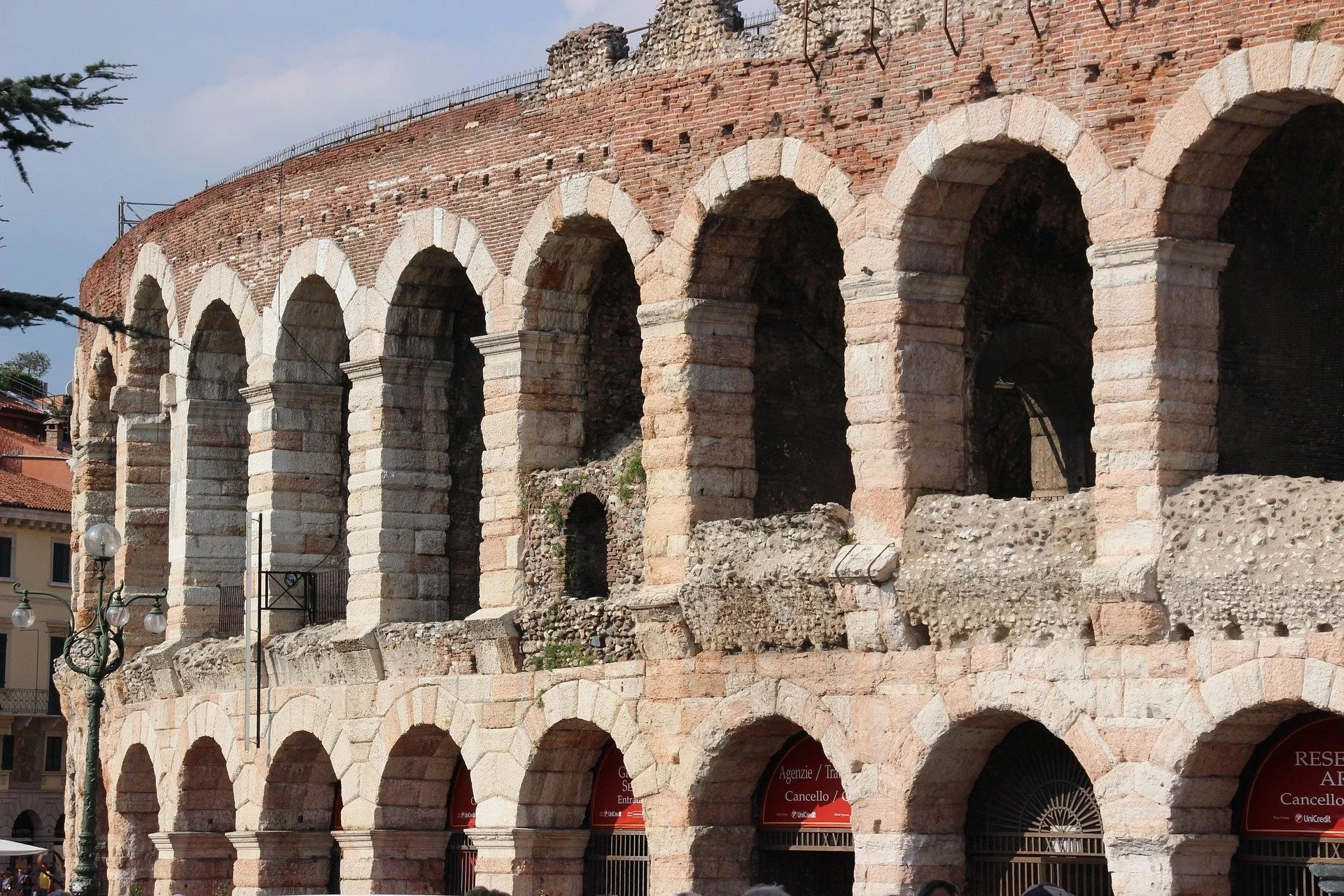
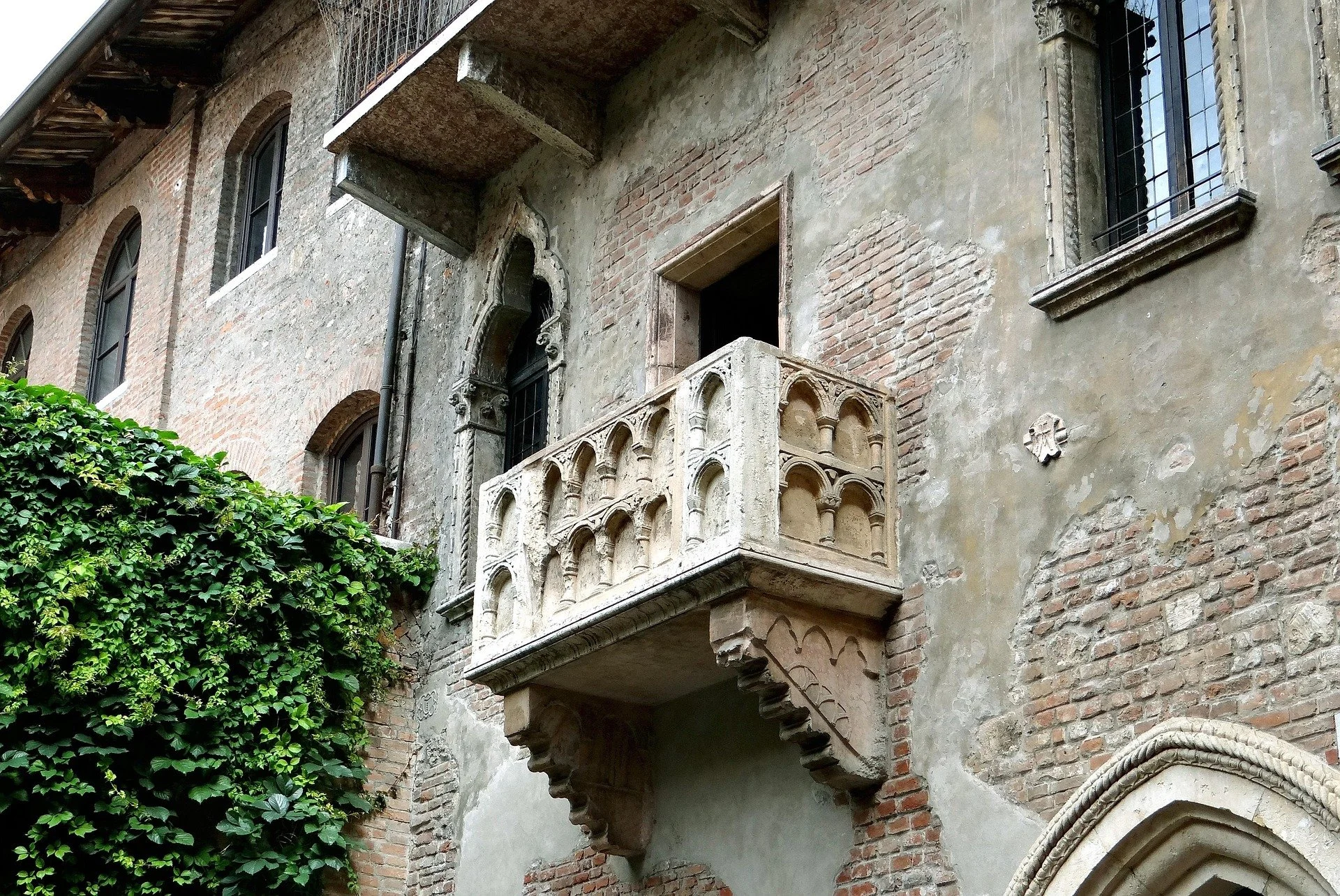
Main cities: In addition to Venice, Verona is another important city. It is known for the Arena, a well-preserved Roman amphitheatre, and for its historic centre. Other notable cities include Padua, home to the famous Basilica of Saint Anthony, and Vicenza, renowned for its association with Andrea Palladio and his architecture.
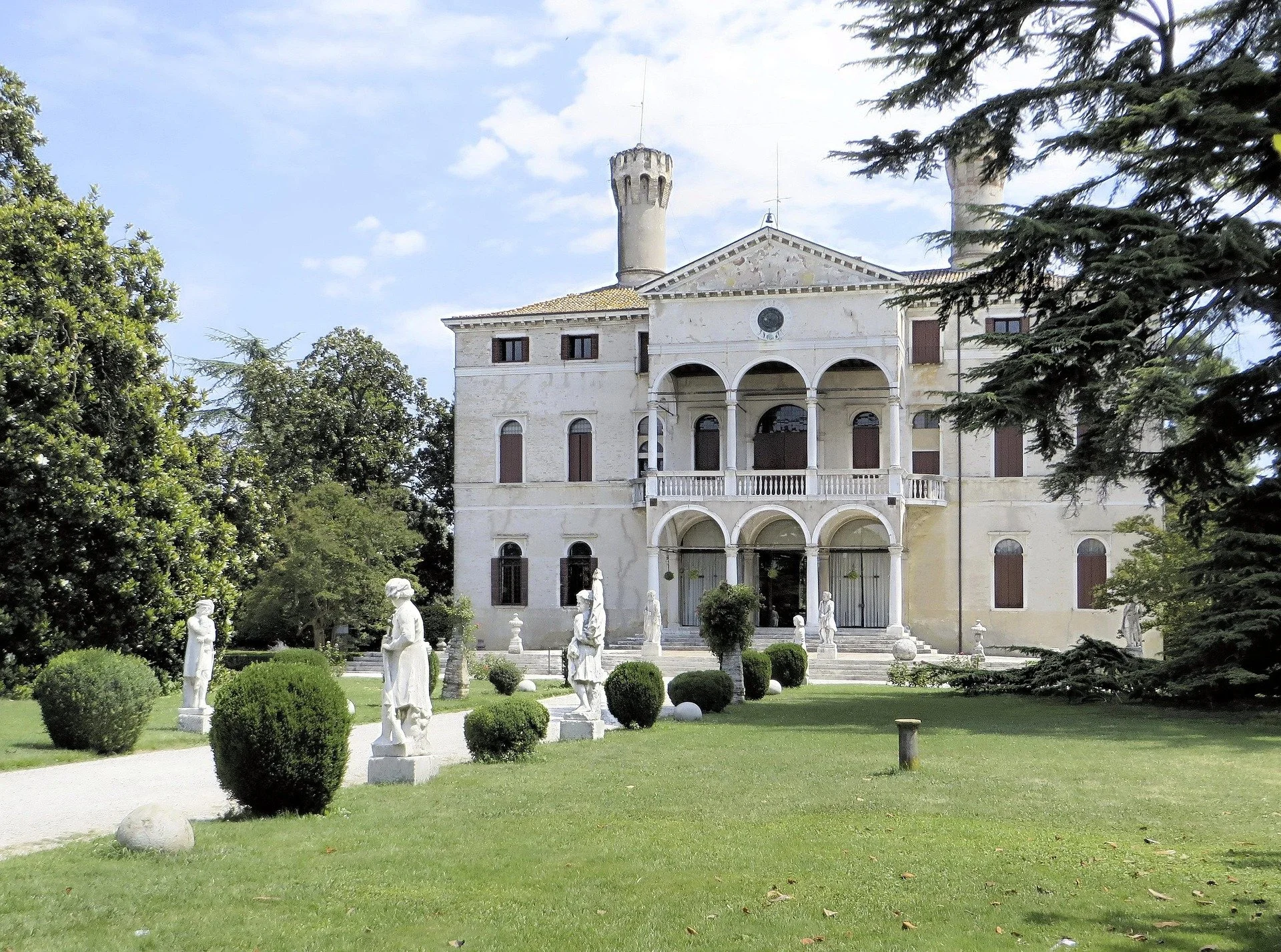
Tourism: Veneto is a very popular tourist destination. Attractions range from the city of Venice and its surrounding islands to the Riviera del Brenta with its Palladian villas. Visitors can also enjoy the mountains of the Dolomites and the beaches of Lido di Jesolo and Cavallino.
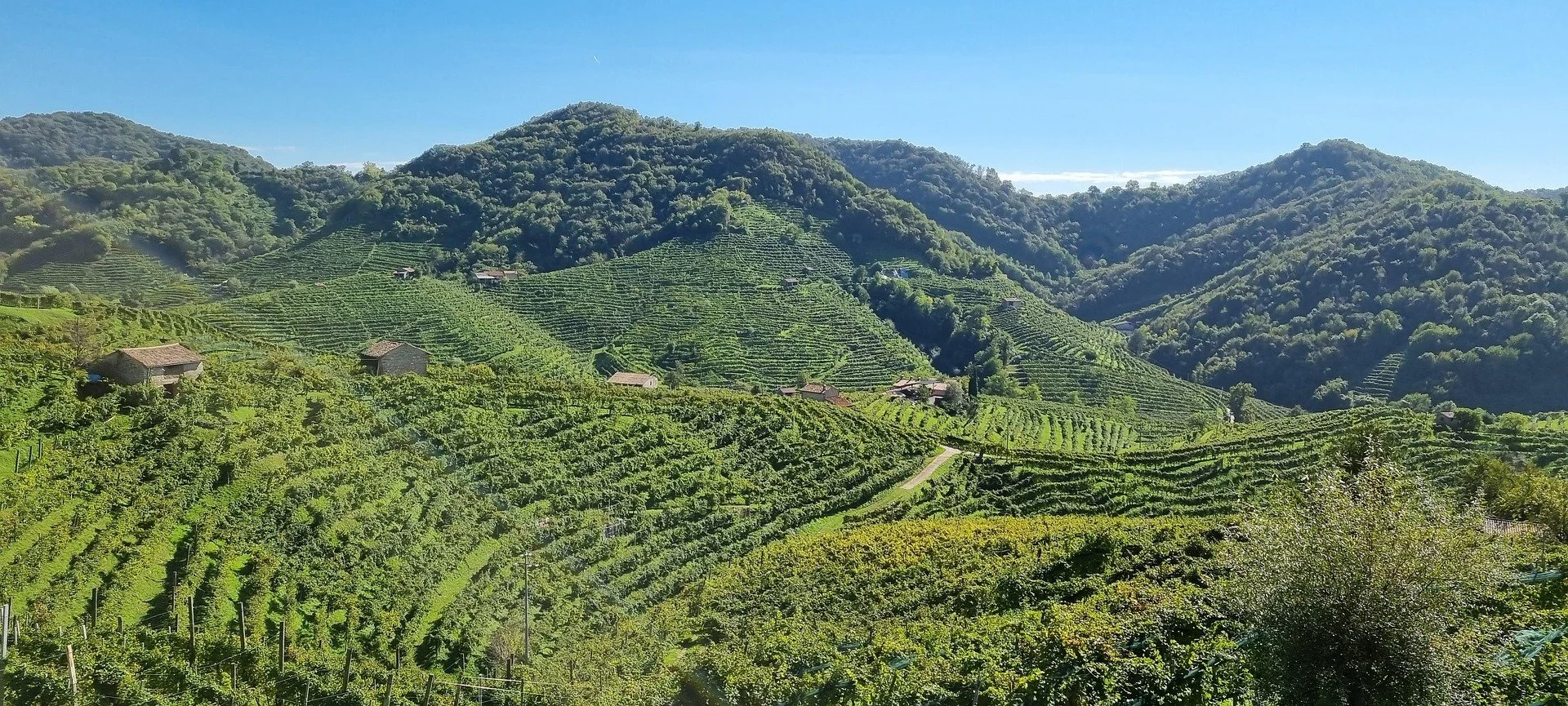
Economy: Veneto is one of Italy's wealthiest regions, with a diverse economy spanning sectors such as tourism, agriculture (including the production of Prosecco wine), industry, and crafts.
Language and dialect: The official language is Italian, but the Venetian dialect is widely spoken.
Language curiosity: The term 'Ciao'(Ch-iao) used all over the world, has Venetian origins. It derives from the respectful expression 's-ciavo vostro’ (sh-chia-vo) then ‘s-ciao' (sh-chiao), meaning 'your servant' or ‘to serve you’.
In Italian: ‘schiavo vostro’ (sk-ia-vo) or ‘per servirla’ from latin ‘sclavus’ – in English ‘slave’ – ‘at your service’.
In summary, the Veneto region is rich in history, culture, art and natural beauty, offering tourists a varied and rewarding experience.
Territory: Varied, with mountains, plains and a coastline. The Alps (including the Dolomites) dominate the north, while the Po Valley, sloping down towards the Adriatic Sea, occupies most of the territory.
Main rivers: Po, Adige, Piave, Brenta, Bacchiglione and Tagliamento.
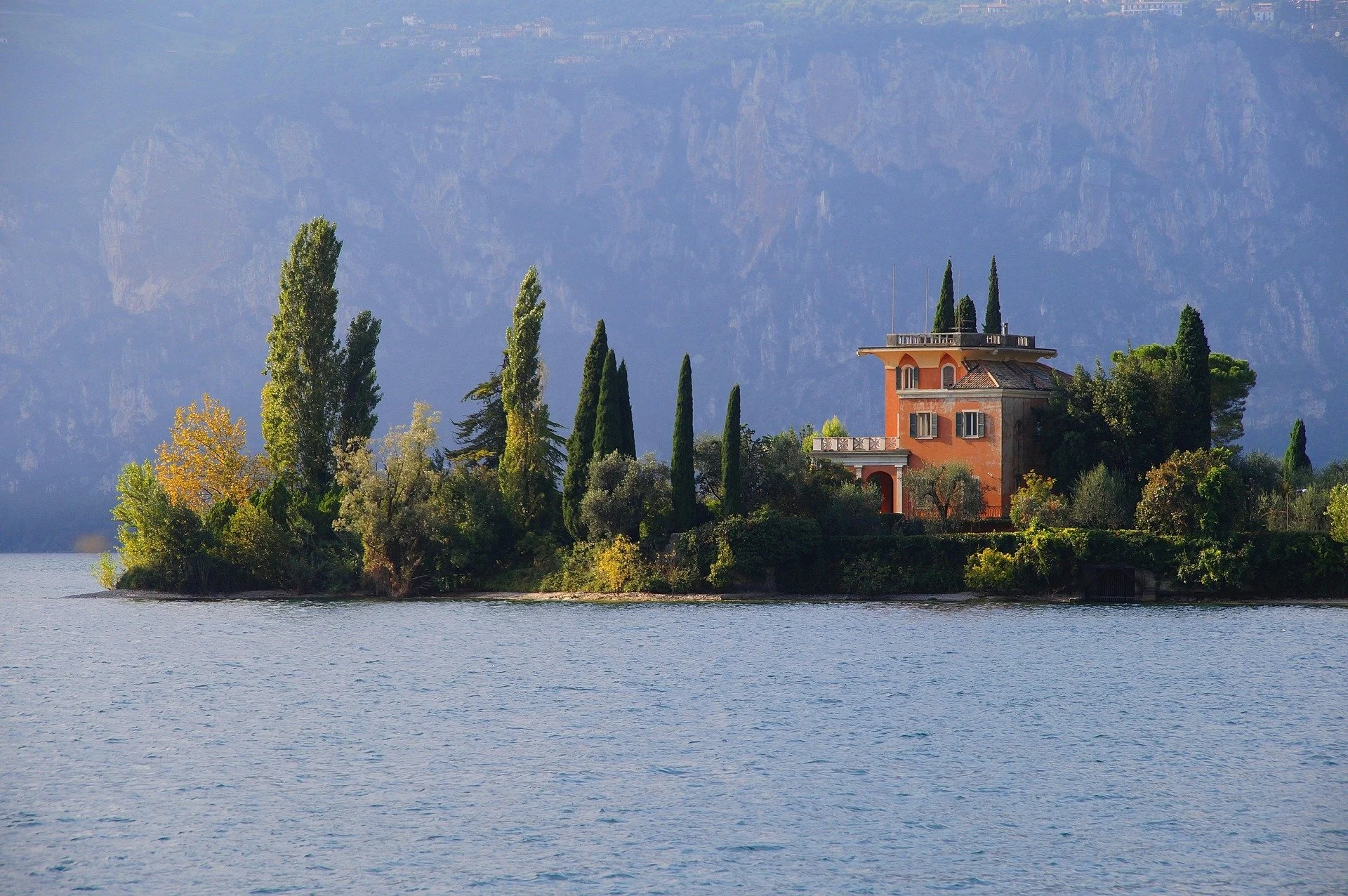
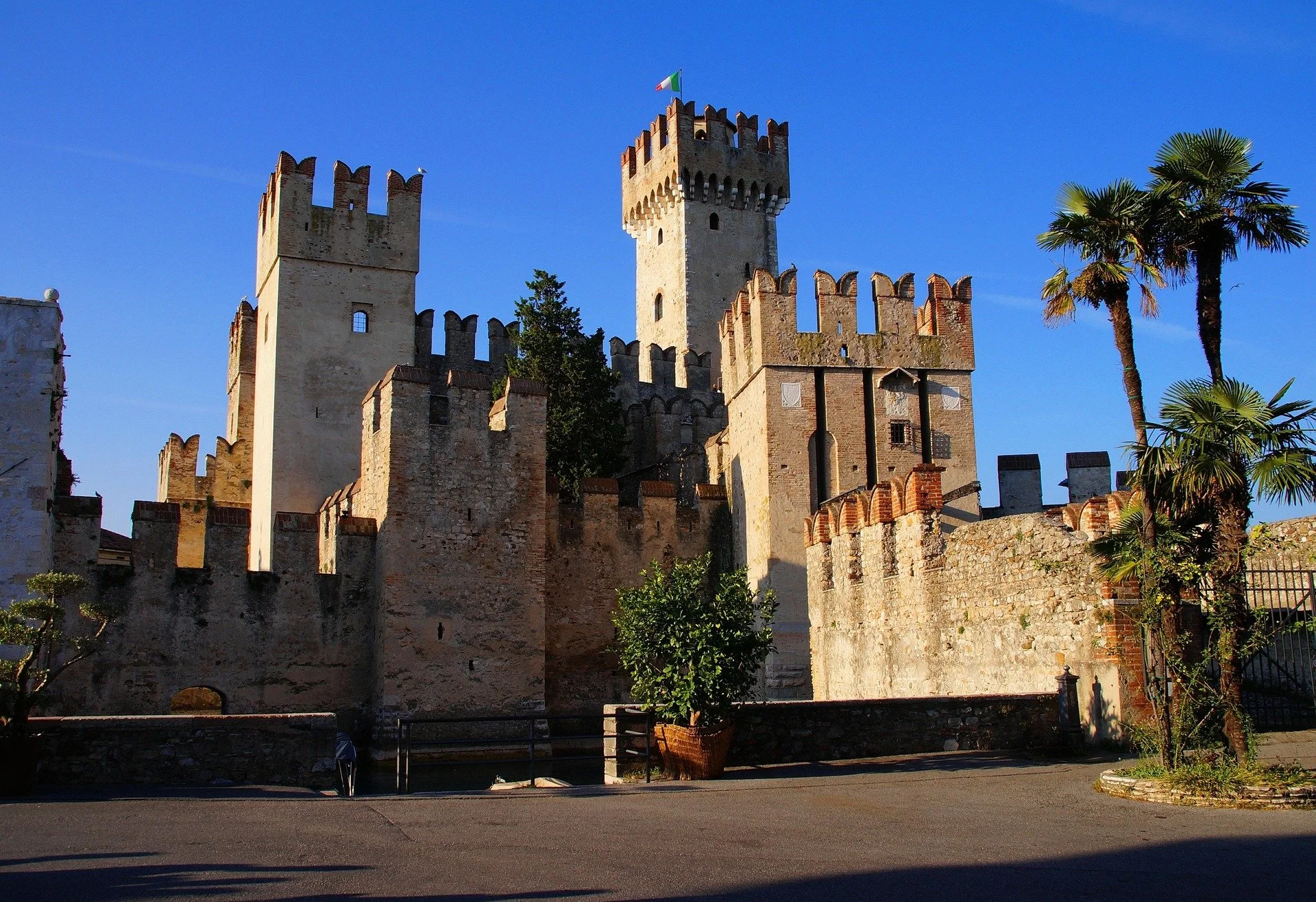
Lakes: Lake Garda, the largest lake in Italy.
Borders: Trentino-Alto Adige, Lombardy, Emilia-Romagna, Friuli-Venezia Giulia and Austria. (North-Eastern Italy).
Culture: It is renowned for its art and crafts, such as Murano glass and Burano lace, as well as its food and wine traditions.
The coat of arms: (crest)
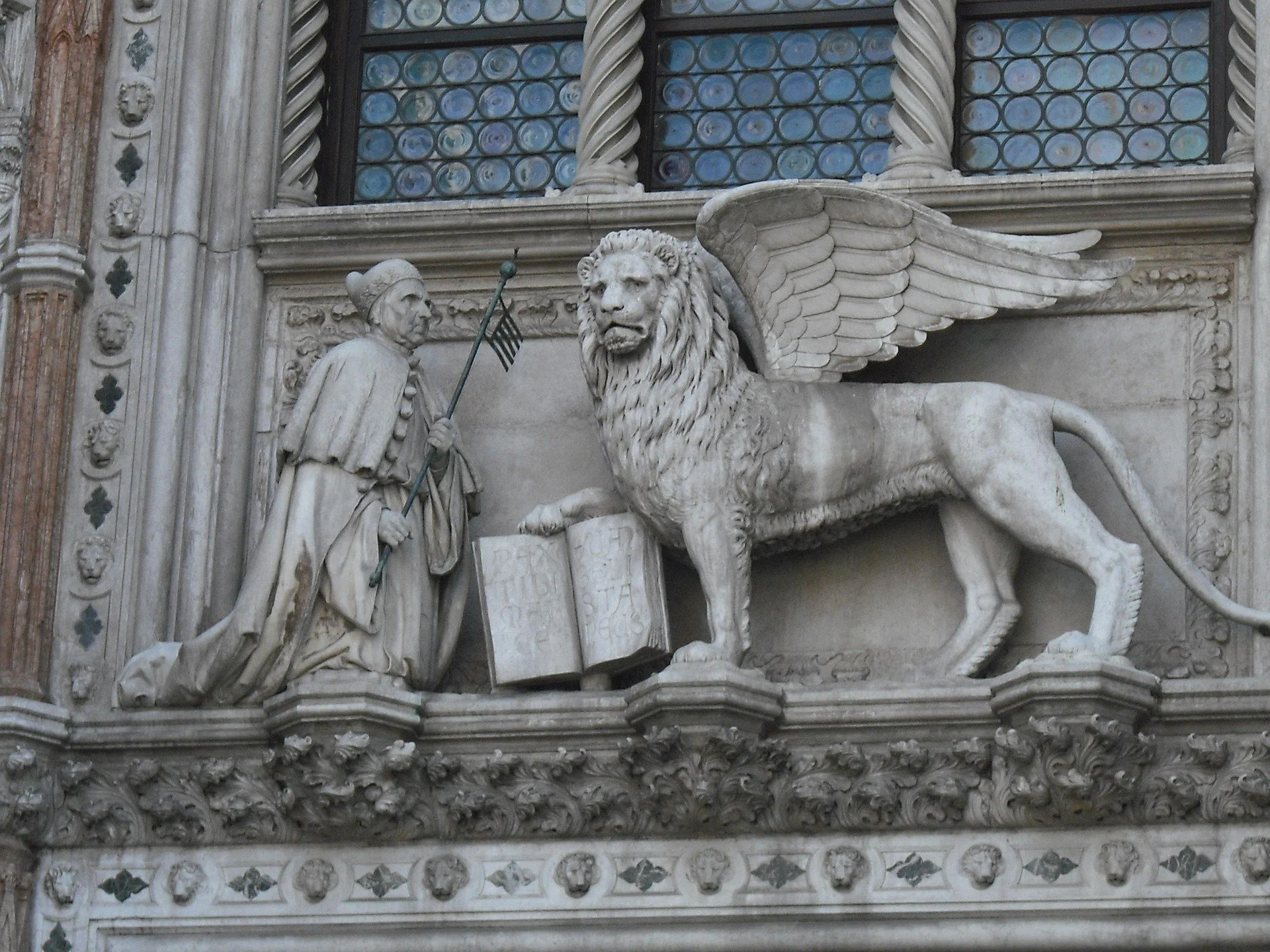
The symbol of Veneto is the Lion of Saint Mark. This winged lion holds an open book bearing the inscription 'Pax tibi Marce Evangelista Meus' (Peace be with you, Mark, my evangelist) and is a symbol of both the historic Republic of Venice and the region itself. It is present in the region's coat of arms and flag, as well as numerous other contexts, and is linked to St Mark, the patron saint of Venice and Veneto.
Cuisine: A well-known Venetian dish is the “Polenta” widely used as bread and/or pasta. Venezia is on the Adriatic Sea, it means they use a lot of fish that they cook in a large variety of ways, like the baccalà alla vicentina, which is made with stockfish, milk, onions and other ingredients and is slowly cooked in a terracotta pot. Other traditional dishes include fegato alla veneziana (slices of veal liver sautéed with onions and butter) and bigoli in salsa (thick spaghetti served with a sauce made from anchovies or sardines and onions). Other notable dishes include risi e bisi (click here for recipe), a creamy risotto with peas, and sarde in saor, a starter consisting of sweet and sour marinated sardines.
Here are some of the most famous traditional Venetian desserts:
Tiramisù:This is probably the most famous Venetian dessert in the world. It is made with ladyfingers, mascarpone cheese, coffee, eggs and cocoa powder. The city of Treviso claims to have the original recipe.
Pandoro:This star-shaped, leavened dessert is originally from Verona and is perfect for Christmas celebrations.
Frittelle:These are fried desserts, often filled with cream, chocolate or zabaglione and typical of Carnival.
Bussolai Buranelli:Ring-shaped biscuits from Burano that are famous for their crumbly texture and buttery flavour.
Baìcoli:Thin, elongated Venetian biscuits, perfect with tea or wine.
Zaleti (or Zaéti): Biscuits made with cornflour and raisins, a classic Venetian pastry.
Fregolotta:A dry cake from Treviso made with shortcrust pastry, sugar, cream, butter, almonds, and flavourings.
Pinza:A peasant dessert often associated with the Epiphany, it has different regional variations and is made with flour, dried fruit and other ingredients.
Galani (or crostoli): Similar to chiacchiere and typical of Carnival, it is fried and sprinkled with icing sugar.
Pevarini: Venetian almond and cocoa biscuits with a hint of black pepper.
Wines
The region is renowned for its fine wines, including the number one Prosecco, Amarone, Recioto della Valpolicella, Soave, and the sweet Torcolato wine typical of Breganze, to name a few.
Red wines:
Amarone della Valpolicella: A structured, full-bodied red wine made from dried grapes, with notes of red fruit, spices and chocolate.
Valpolicella: A lighter, fruitier red wine with notes of cherry and raspberry.
Valpolicella Ripasso: A wine made by re-cooking Valpolicella with Amarone pomace. It is more structured and complex than Valpolicella.
Recioto della Valpolicella: A sweet red wine similar to Amarone, but with residual sugar. Excellent with desserts and cheeses.
Bardolino: A light, fruity red wine similar to Valpolicella with cherry and raspberry notes.
Raboso Piave: A robust, tannic red wine with lively acidity and red fruit aromas.
White Wines:
Soave: A dry, fresh white wine with notes of white flowers and almonds that is perfect with fish dishes and starters.
Prosecco: A sparkling white wine made mainly from the Glera grape variety. It is much appreciated as an aperitif and pairs well with light dishes.
Lugana: A fresh, savoury white wine produced in the Lake Garda area.
Colli Euganei Fior d'Arancio: A sweet, aromatic white wine made from the Moscato Giallo grape.
Main cities:
The name Veneto:
The region takes its name from the ancient Veneti people, who, according to the Iliad – the epic tale written by Homer – were present during the Trojan War.
Venice: The city is famous for its canals, gondolas, and St Mark's Square, as well as for its Ghetto, the oldest in Europe, and its vibrant cultural scene.
Padua: The University of Padua is one of the oldest in Europe (1222 A.D.) The city is also the birthplace of renowned artists such as Andrea Mantegna and the architect Andrea Palladio.
Treviso: It is the birthplace of the renowned sculptor Antonio Canova. (if you live in California, you can see a piece at Hearst Castle).
Curiosities:
The Venice Clock Tower: During Epiphany, you can watch the unique attraction of the procession of the Magi coming out of the clock in St. Mark's Square.
Chioggia Clock: The world's oldest working clock is located on the bell tower of the Church of Sant'Andrea in Chioggia.
Marmolada: This is the highest mountain in the Dolomites, straddling the border between Veneto and Trentino-Alto Adige. It offers breathtaking views and renowned ski slopes.
Traditions: Veneto has a rich tradition of village festivals, religious celebrations and the Venice Carnival, which attract visitors from all over the world.
Other places: As well as the most famous destinations, Veneto has many lesser-known places that are equally fascinating, such as the Prosecco and Euganean hills.
Should you wish to visit this beautiful region, please contact us, we can assist you. (click here) to write a message