Ferragosto: A Roman rest beneath a Christian feast
How an emperor's decree for tired farmhands became Italy's midsummer holiday
Every August 15th, Italy closes. Shops shutter, cities empty toward the coast and the mountains, and even the most industrious among us surrender to the heat. Most people call it Ferragosto and leave it at that — a fixed date, a long lunch, a day at the beach. Few stop to ask where the name itself comes from, or that the holiday is, in truth, two very different celebrations wearing the same August afternoon.
A Rest Decreed by an Emperor
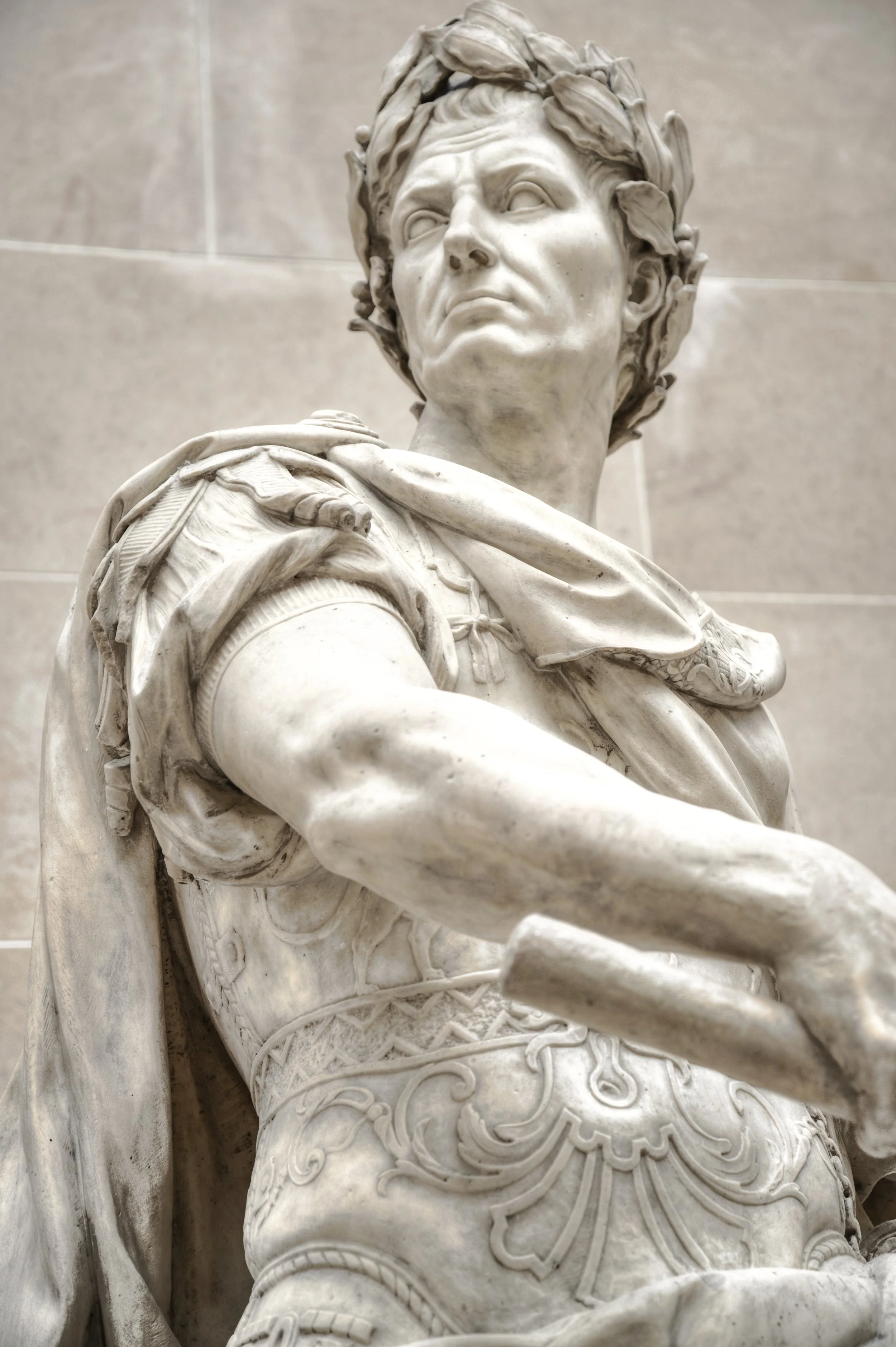
The word Ferragosto descends directly from the Latin Feriae Augusti — literally, “the rest of Augustus.” In 18 BC, the emperor Augustus formalized a period of holiday at the end of the agricultural summer, gathering several older harvest festivals into a single stretch of imperial rest. Among the celebrations it absorbed was the Consualia, an ancient festival honoring Consus, the god who watched over stored grain — a fitting patron for a holiday timed to the moment when the hardest of the summer's fieldwork was finally done.
For the laborers and even the animals who had spent the summer in the fields, the Feriae Augusti meant an actual pause — and, in a detail that would echo for two thousand years, it became customary for landowners to offer their workers a small gift or bonus at this time of year. That custom of an August bonus for workers persisted in Italy in one form or another for centuries, long after anyone remembered it began as a gesture from Roman landowners to their exhausted field hands.
A holiday born to reward summer's hardest labor eventually became the day Italy stops laboring altogether.
The Christian Layer: The Assumption of Mary
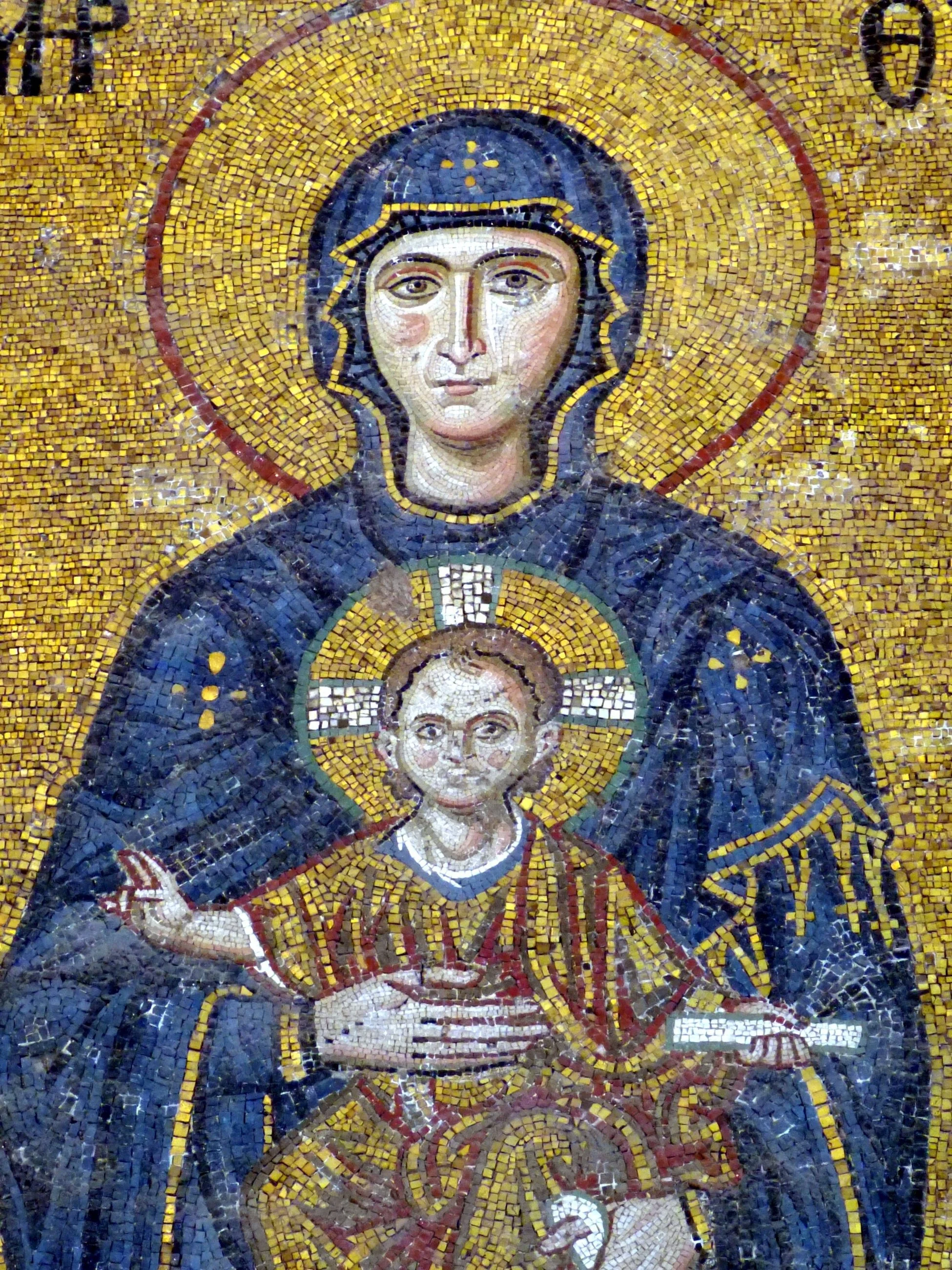
The fixed date of August 15th is not, in fact, Roman. The original Feriae Augusti spanned a looser stretch of the month. It was the Catholic Church that later anchored the holiday to a single day — by placing the Feast of the Assumption of Mary, marking her bodily assumption into heaven, on August 15th. In doing so, the Church folded a pagan season of rest into its own liturgical calendar, a pattern repeated across the Italian year: an older agricultural or civic festival absorbed, rather than erased, by a Christian feast laid carefully on top of it.
Most Italians today mark the day without thinking much about either layer beneath it — the Roman rest for tired farmhands, or the Marian feast that gave it a fixed date on the calendar. Both are simply there, folded into a single word.
What Survives Today
Modern Ferragosto is, for most of the country, a secular midsummer holiday: the single most concentrated moment of Italian summer vacation, when highways fill and beach towns swell well past their winter population. But in a number of regions, older echoes of the festival persist alongside the modern beach day — processions, bonfires, and competitive traditions that owe more to harvest ritual than to any saint. It is, in that sense, not unlike the Palio di Siena: a modern civic spectacle standing on ground first shaped by something far older.
Two Regions, Two Ferragostos
Nowhere is Ferragosto celebrated quite the same way twice. Two regions at opposite ends of the country — one Alpine, one Mediterranean — show just how differently the holiday settled once it left Rome.
Lombardy: The Employer's Gift, Remembered in Stone (Simo’s region - who is she)
In Lombardy, well into the twentieth century, Ferragosto carried a very literal meaning tied to work rather than rest. It was custom for employers to “dare il ferragosto” — in Lombard dialect, dà ol faravost — handing out money or food to their workers so they could celebrate August 15th properly with their families. The tradition ran deep enough that on construction sites, toward the end of July, masons would fix a large branch to the highest point of the building still under construction. It was called the pianta dol faravost, and its real purpose was gently comic: a standing reminder to the contractor that the customary payout was coming due. The custom took root so firmly that in the Papal States it was made obligatory by law during the Renaissance.
Traces of that older, work-centered Ferragosto have given way today to more festive customs. In Clusone, in the province of Bergamo, the day still features the palo della cuccagna, a greasy pole contestants scramble to climb for a prize at the top — a game with roots in exactly the kind of communal, prize-giving spirit the old employer's gift once embodied. In Valmalenco, in the mountains of Valtellina, bonfires are lit on Ferragosto night, an echo of the older fire rituals that mark turning points in the Lombard calendar throughout the year.
Campania: A Sea That Claims Its Due (Mic’s region - who is he)
In Naples, Ferragosto is known as much by its older name — the feast of Sant'Assunta — as by the Roman one, and it carries a distinctly maritime character found up and down the Campanian coast. Solemn seaborne processions carry a statue of the Madonna out over the water, a tradition shared with other stretches of southern Italian coastline, where boats accompany her rather than a street crowd.
Naples also holds onto a folk belief unlike anything in the north: it is considered inauspicious, even dangerous, to swim in the sea on August 15th itself. According to local legend, the waters on that day belong briefly to restless spirits, said to pull swimmers under because the Madonna is “claiming” souls as she is assumed into heaven. The more practical explanation is probably duller than the legend: Ferragosto beaches were, and are, at their most crowded and least supervised all season, and drownings historically spiked on exactly this day. Whatever its origin, the warning survives as a small ritual of caution passed down through Neapolitan families every summer.
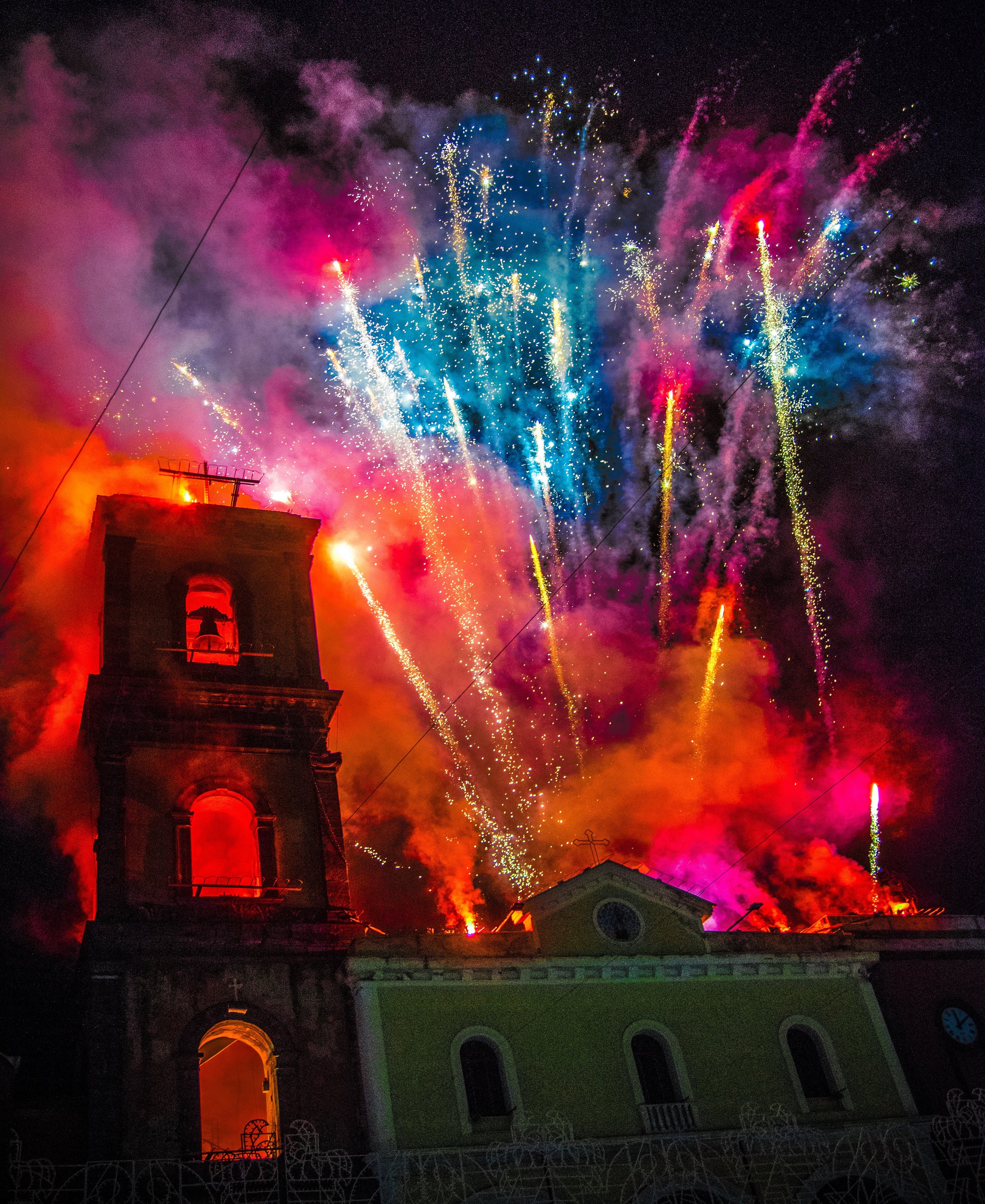
Elsewhere in Campania, the day takes a lighter turn. Along the Cilento coast, towns like Santa Maria di Castellabate spend Ferragosto on the beach by day and close it with fireworks over the water at midnight, while Naples itself fills with open-air concerts and museum nights, and some residents mark the evening with a walk on the slopes of Vesuvius — keeping company, whether they think of it this way or not, with a mountain far older than the holiday itself.
Between Lombardy's branch nailed to a rooftop and Campania's warning against the sea, Ferragosto shows its true shape: not one holiday, but a single date onto which every region has quietly written its own history.
Should you be celebrating, Buon Ferragosto a Tutti.
Arrivederci, (‘til we meet again)
Mic