
Why do we Italians eat “La Colomba Pasquale” at Easter?
A few notes about the history of the “Colomba Pasquale”, the Easter dove cake.
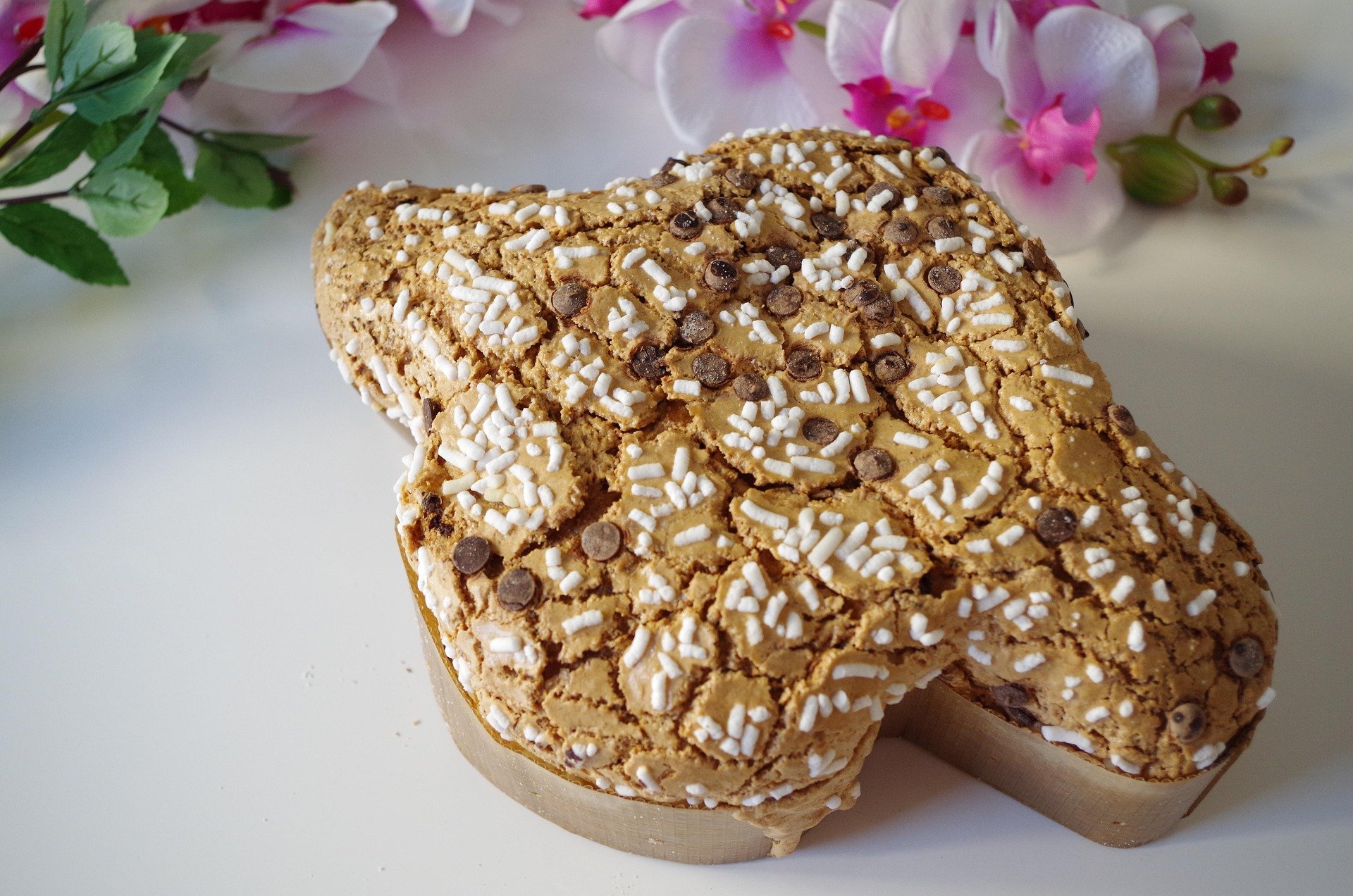
La Colomba Pasquale.
Italian Easter cake, a traditional sweet often baked to celebrate the holiday, typically features rich, fragrant ingredients and symbolic decorations.
As you know, we Italians are deeply attached to our traditions, which have ancient and often religious roots.
Glad to share with you a few notes about the history of the “Colomba Pasquale” (Easter dove), from both a religious and a secular perspective.
Italians eat la colomba (a dove shaped cake) at Easter that is the "leavened" counterpart to the Christmas Panettone, specifically designed to celebrate peace and the arrival of spring.
While its modern commercial success is relatively recent, the cake's shape and name carry deep religious and legendary significance in Italian culture.
Symbols and Meaning
Symbol of Peace: The name “colomba” means "dove" in Italian. The bird is a universal Christian symbol of peace and the Holy Spirit.
Biblical Connection: It refers to the dove that returned to Noah's Ark with an olive branch, signifying the end of the Great Flood and God's reconciliation with humanity.
Springtime Celebration: Unlike the winter-heavy Panettone, the Colomba is often associated with the first outdoor picnics of spring and Easter Monday gatherings.
The origin
The Colomba as we know it today was created in Milan in the 1930s by the company Motta.
It was thought this would enable the bakers to keep their “Panettone-making” machinery productive during the 'low season' after Christmas, and so they developed a new cake using similar dough.
The recipe is similar to Panettone, but the Colomba typically omits raisins and features candied orange peel, topped with a crunchy almond and pearl sugar glaze.
Popular Legends
While the commercial version is 20th-century, several folk legends trace its "spirit" back to the Middle Ages:
King Alboin (572 AD): Legend says the Lombard King was besieging Pavia and was offered dove-shaped sweet breads as a peace offering. He was so touched that he spared the city.
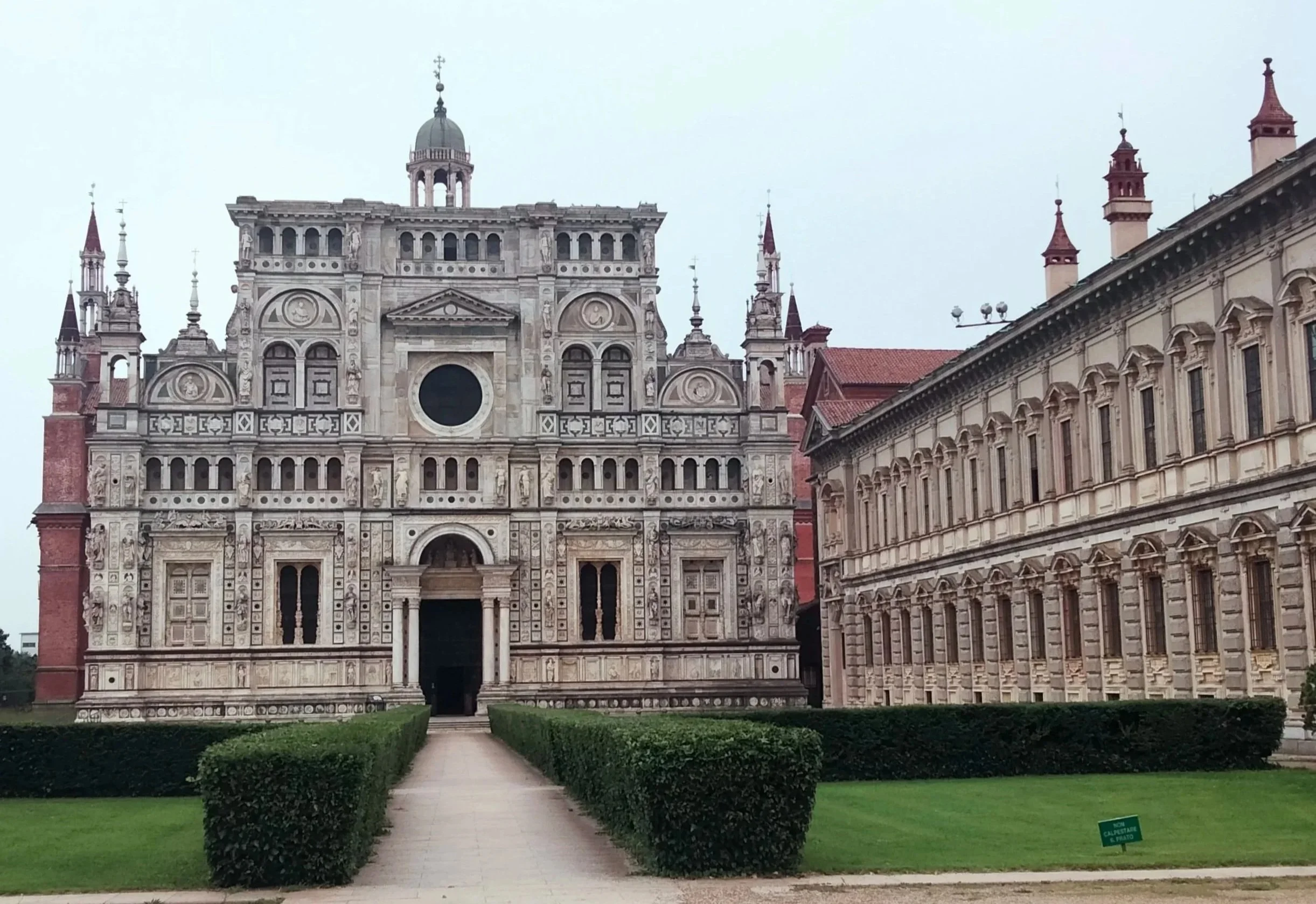
La Certosa di Pavia
Pavia was the capital of the Lombard Kingdom from 625 to 774 A.D. Northen Italy, not far from Milan.
Saint Columbanus (612 AD): It is said the Irish monk was invited to a banquet by Queen Theodolinda during Lent. When he saw the meat being served, he blessed it, and it miraculously transformed into white bread doves.
Today there is a beautiful little medieval village named San Colombano, (Milan) dedicated to the monk, where they produce an unique red wine.
The Colomba is often enjoyed alongside chocolate eggs to complete the Easter meal, typically paired with a glass of sweet sparkling wine like Moscato d'Asti (Piedmont) or Colli Euganei (Veneto).
Buona Pasqua a tutti. (Happy Easter)
Mic & Simo